 Save
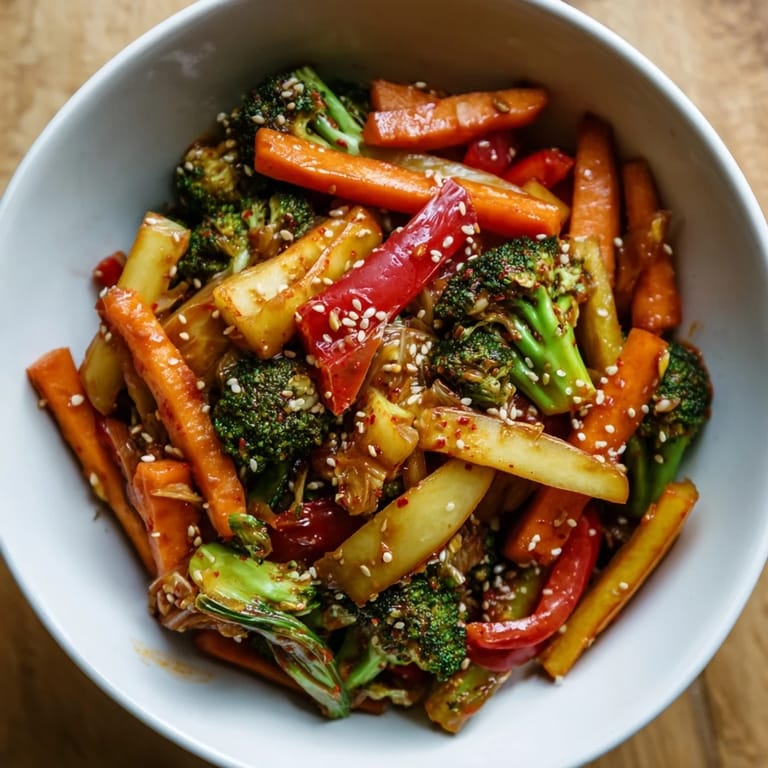
Save Last January, my kitchen was buried under a farmers market haul of winter vegetables I had no plan for. The parsnips were getting soft, the sweet potato was sprouting, and I was too tired to attempt another roasted root medley. On impulse, I grabbed a jar of kimchi from the back of the fridge and threw everything into a hot wok with sesame oil. That twenty minute experiment taught me more about winter cooking than any cookbook I had ever owned.
My friend Sarah came over for dinner during a snowstorm and watched me make this. She had never cooked with parsnips before and kept making these skeptical faces as I added more vegetables to the wok. When she finally took a bite, she literally put her fork down and said she needed the recipe immediately. Now she makes it every Sunday and sends me photos of her version with whatever vegetables she found at the market that week.
Ingredients
- 1 small head broccoli, cut into florets: Broccoli holds up beautifully in stir-fries and adds that nice tender-crisp texture that contrasts with the softer root vegetables
- 2 medium carrots, sliced on the bias: Cutting carrots at an angle gives you more surface area for caramelization and makes each piece feel substantial
- 1 small parsnip, peeled and sliced: Parsnips bring this natural sweetness and almost creamy texture when cooked that pairs unexpectedly well with the spicy kimchi
- 1 small sweet potato, peeled and cut into thin matchsticks: Sweet potatoes cook quickly when cut thin and add beautiful color plus another layer of sweetness to balance the fermented tang
- 1 cup shredded green cabbage: Cabbage wilts down just enough to become tender while still maintaining some crunch, plus it absorbs all those flavors
- 1 red bell pepper, sliced: Red peppers add sweetness, vibrant color, and a different texture that makes every bite interesting
- 1 tablespoon fresh ginger, grated: Fresh ginger is non-negotiable here, it adds that warm zing that cuts through the sweet vegetables and ties everything together
- 2 cloves garlic, minced: Garlic becomes aromatic and mellow when cooked in the sesame oil, creating this fragrant base that makes your whole kitchen smell amazing
- 2 tablespoons toasted sesame oil: Toasted sesame oil has this deep, nutty flavor that you cannot get from regular sesame oil, it is what makes the dish feel rich and comforting
- 2 tablespoons soy sauce or tamari: This provides the saltiness and umami base, tamari works perfectly if you need to keep it gluten-free
- 1 tablespoon rice vinegar: The vinegar adds brightness and helps cut through the sesame oil while amplifying the flavors of the vegetables
- 1 teaspoon maple syrup or honey: Just a touch of sweetness helps balance the salty soy sauce and tangy kimchi, creating a well rounded sauce
- 1 cup kimchi, chopped: Kimchi is the star here, it adds probiotics, incredible depth of flavor, and that spicy tang that makes the dish sing
- 2 green onions, sliced: Fresh green onions add a pop of color and mild onion flavor that brightens everything right before serving
- 1 tablespoon toasted sesame seeds: These add a nice crunch and nutty finish, plus they make the dish look beautiful on the table
Tired of Takeout? 🥡
Get 10 meals you can make faster than delivery arrives. Seriously.
One email. No spam. Unsubscribe anytime.
Instructions
- Prep your vegetables before you turn on the stove:
- Having everything washed, peeled, sliced and ready to go is absolutely essential because stir-frying happens fast and you do not want to be scrambling to chop vegetables while the garlic is burning
- Heat your wok and toast the aromatics:
- Get your sesame oil shimmering in a large wok over medium-high heat, then add the ginger and garlic and cook for just thirty seconds until your kitchen fills with this incredible fragrance
- Add the hearty vegetables first:
- Toss in the carrots, parsnip, sweet potato, and broccoli and stir-fry for four to five minutes, watching as they start to soften and get these gorgeous browned edges
- Finish with the quicker cooking vegetables:
- Add the cabbage and bell pepper and cook for another three to four minutes until everything is tender but still has some bite to it
- Make the sauce and coat everything:
- Whisk together the soy sauce, rice vinegar, and maple syrup in a small bowl, pour it over the vegetables, and toss everything until each piece is coated and glistening
- Turn off the heat and fold in the kimchi:
- Remove the pan from the heat completely before adding the chopped kimchi and gently tossing to combine, which preserves those beneficial probiotics that would be destroyed by high heat
- Garnish and serve immediately:
- Sprinkle with green onions and sesame seeds right before serving, and consider serving over rice or noodles if you want to make it more substantial
 Save
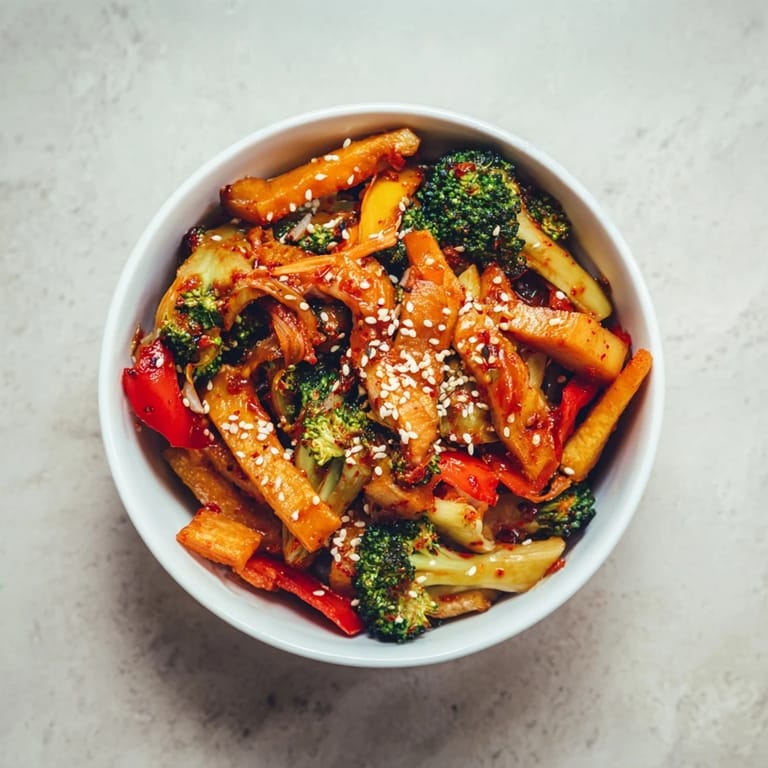
Save This recipe became my go-to during that long winter when I was trying to eat more fermented foods but wanted something that felt cozy and satisfying. Now every time I make it, I remember how something so simple could transform into a dish that makes my whole body feel good.
Making It Your Own
Winter vegetables are incredibly forgiving, so feel free to use whatever you have on hand. Turnips, rutabaga, and even chunks of butternut squash work beautifully here. I have added sliced mushrooms for umami and thrown in baby spinach at the very end for extra color. The real key is keeping the vegetable pieces roughly the same size so everything cooks evenly.
Serving Suggestions
While this is satisfying on its own, serving it over steamed brown rice makes it a complete protein. Soba noodles or quinoa also work wonderfully and soak up that flavorful sauce. Sometimes I will fry an egg and serve it on top, letting the runny yolk create an even richer sauce when mixed into the vegetables.
Make-Ahead Wisdom
You can absolutely prep all the vegetables a day ahead and keep them in the refrigerator, which makes this recipe perfect for busy weeknights. The sauce can also be mixed in advance and stored in a small jar. However, once the dish is cooked, it is best enjoyed immediately as the vegetables will continue to soften and the kimchi will lose some of its vibrant crunch.
- If you have leftovers, they are actually delicious cold the next day for lunch
- Store the kimchi separately if you plan to meal prep this for the week
- The vegetables will release more liquid as they sit, so leftovers will have a softer, more marinated texture
 Save
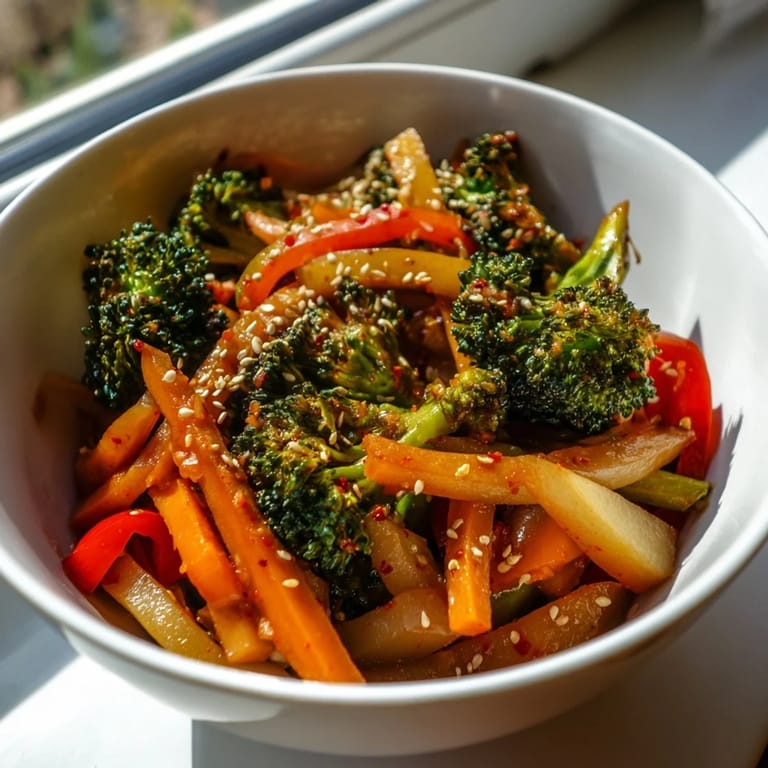
Save There is something deeply satisfying about transforming a pile of humble winter vegetables into something vibrant, flavorful, and alive with probiotic goodness. I hope this recipe becomes one of those weeknight staples you turn to again and again.
Recipe FAQs
- → Can I make this gluten-free?
Yes, simply substitute tamari for the soy sauce. Always check your kimchi label to ensure it's gluten-free as some varieties contain wheat-based ingredients.
- → Why add kimchi at the end?
Adding kimchi after removing the pan from heat preserves the beneficial probiotics and live cultures that can be destroyed by high heat cooking.
- → What other winter vegetables work well?
Turnip, rutabaga, kale, Brussels sprouts, or butternut squash all make excellent substitutes or additions to the vegetable medley.
- → How can I add more protein?
Serve over protein-rich grains like quinoa, add tofu cubes during cooking, or top with roasted cashews and sesame seeds.
- → Can I meal prep this dish?
Yes, though the kimchi is best added fresh when serving to maintain its probiotic benefits. Store the vegetable base separately and combine before eating.
- → How spicy is this dish?
The spice level depends on your kimchi choice. Mild kimchi yields gentle warmth, while traditional varieties provide noticeable heat. Adjust to taste.