 Save
Save I discovered the magic of modernist plating during a late evening in a friend's kitchen, surrounded by vibrant vegetables and an almost obsessive desire to create something that looked as beautiful as it tasted. The Infinity Loop Flow emerged from that moment—a meditation on balance, color, and the way food can tell a visual story before a single bite. There's something transformative about arranging ingredients into flowing patterns; it feels less like cooking and more like painting with flavors, where each component whispers to the next in a seamless conversation.
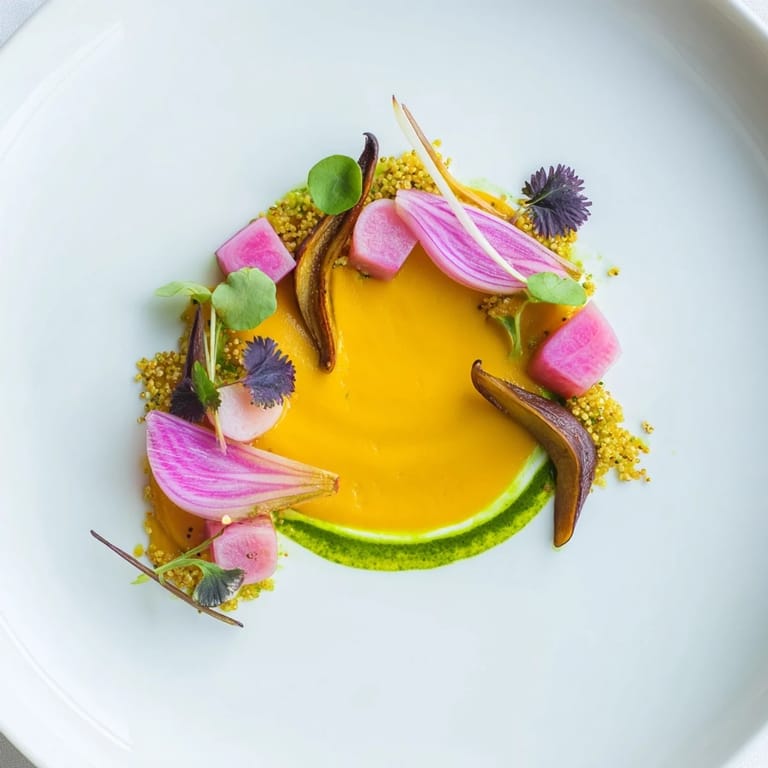
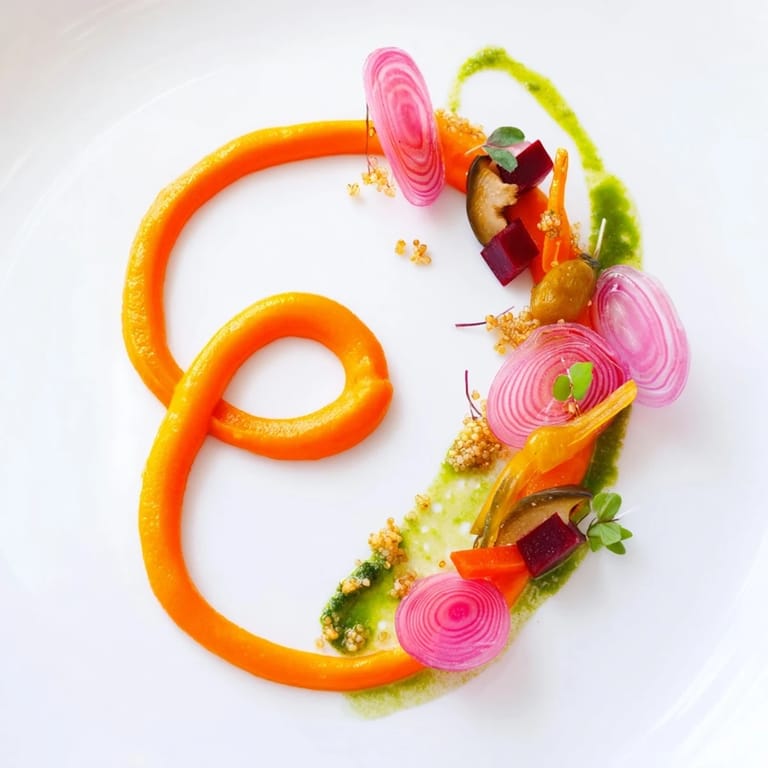
I'll never forget plating this for my partner's birthday dinner—the way their eyes lit up when they saw the figure-eight of carrot purée flowing across the plate, punctuated by jewel-toned beets and the delicate pink of pickled shallots. That moment when presentation becomes memory is exactly why this recipe matters to me.
Ingredients
- Carrots (150 g, peeled and sliced): The foundation of your purée—choose carrots with a deep orange hue, as they'll give you a more vibrant, natural color that makes the plate sing. Their natural sweetness becomes concentrated when simmered, creating a smooth base that holds the infinity loop with dignity.
- Vegetable stock (75 ml): This gentle liquid cradles the carrots while they soften. It's the difference between a chalky purée and one that flows like silk across your plate.
- Unsalted butter (1 tbsp): Just a touch to enrich the purée and give it that restaurant-quality sheen. It's optional if you're going vegan—vegan butter works beautifully here without sacrificing texture.
- Assorted mushrooms (100 g: shiitake, oyster, cremini): The variety gives you different textures—some tender, some with a slight chew—and their earthy flavor grounds all the bright, pickled elements on the plate. Clean them gently with a damp cloth rather than washing, preserving their delicate structure.
- Olive oil (1 tbsp for mushrooms, plus 50 ml for herb oil): The marinade's hero, carrying flavor while keeping mushrooms glossy and inviting. Extra virgin oil for the herb oil infusion brings a grassy, fresh dimension that ties the whole plate together.
- Lemon juice (1 tsp): A whisper of acid that prevents the mushrooms from tasting dull and lifts every other flavor on the plate. Don't skip this—it's a secret weapon.
- Pickled shallots (1 medium shallot, thinly sliced): The transformation of a humble shallot into something that looks like a delicate pink flower is one of cooking's small joys. They add a sharp, bright note that cuts through the earthiness of mushrooms and beets.
- White wine vinegar (60 ml): This balances the beet's sweetness and gives you a color that's almost too pretty to eat. The acidity is essential to the plate's overall harmony.
- Roasted beets (1 small beet, peeled and cubed): Deep crimson rubies that bring earthiness and natural sweetness. Roasting caramelizes their edges, adding complexity that makes them taste more like themselves, intensified.
- Crispy quinoa (40 g uncooked): This was a discovery that changed how I think about texture on a plate. Crispy, nutty, and with the tiniest crackle under your teeth, it provides the contrast that makes every other element sing.
- Fresh parsley (25 g): Blended into oil, it becomes a vivid green that looks like liquid springtime. Use flat-leaf parsley for the most intense flavor and color.
- Microgreens and edible flowers (for garnish): These are your final flourish—they're not just pretty, they add peppery, delicate flavors and make the plate feel alive and intentional.
- Flaky sea salt: The final whisper that brings everything into focus. Use it sparingly; it should enhance, not overwhelm.
Tired of Takeout? 🥡
Get 10 meals you can make faster than delivery arrives. Seriously.
One email. No spam. Unsubscribe anytime.
Instructions
- Coax the carrots into velvet:
- Gently combine your sliced carrots with vegetable stock in a saucepan and bring to a barely bubbling simmer over medium heat. This isn't a race—partial cover it and let time do the work. Over 15 to 20 minutes, the carrots will become impossibly tender, practically dissolving at the touch of a fork. If they're still firm, give them a few more minutes. Drain them well, then transfer to your blender with butter and a pinch of salt. Blend on high until the mixture becomes completely smooth and velvety, stopping occasionally to scrape down the sides. If it seems too thick to pipe, loosen it with just a spoonful of stock. Taste it now and adjust the salt to make those carrots sing. Transfer the warm purée to a piping bag fitted with a small round tip and keep it close by—you'll need it warm and ready.
- Give the mushrooms time to drink in flavor:
- Slice your mushrooms and place them in a bowl. Pour olive oil, a small squeeze of lemon juice, salt, and pepper over them, then gently toss until each piece glistens with oil. Let them sit at room temperature for 20 minutes, stirring occasionally. Watch as they soften slightly and the flavors meld—this is the moment when mushrooms transform from ordinary to extraordinary. Avoid the temptation to let them sit longer; past 30 minutes, they'll start to weep liquid and lose their appeal.
- Transform shallots into jewels:
- In a small saucepan, combine white wine vinegar, sugar, and salt over low heat. Stir gently until the sugar dissolves completely—there should be no graininess, no hurry. Pour this warm pickling liquid over your thinly sliced shallots and let them sit undisturbed for at least 20 minutes. Watch the magic happen: they'll turn a blushing pink and soften just enough to be tender yet still hold their shape. Before plating, drain them well so they don't make your plate wet.
- Blend parsley into liquid green:
- Add your fresh parsley leaves, extra virgin olive oil, and a pinch of salt to your blender. Blend on high for exactly one minute until the oil becomes a vivid, almost neon green and releases the most intoxicating, fresh aroma. Strain it through a fine-mesh sieve or cheesecloth into a squeeze bottle, discarding the solids. This herb oil should be clear and intensely colored—it's your plate's final signature.
- Coax beets into caramelized perfection:
- Heat your oven to 200°C (400°F). Toss your beet cubes with olive oil and salt, then spread them in a single layer on a parchment-lined baking sheet. Roast for 20 minutes, giving them a gentle stir halfway through. They'll soften from the inside while their edges develop a subtle caramelization—this is the textural contrast you're seeking. When they're fork-tender and a shade deeper than when you started, remove them and let them cool slightly before plating.
- Fry quinoa until it sings:
- Bring water to a boil in a saucepan, add salt and rinsed quinoa, then reduce heat and cover. Let it simmer gently for 12 to 15 minutes until the water is completely absorbed and each grain is tender. Spread the cooked quinoa on paper towels for about 10 minutes—this crucial drying step prevents soggy results. Heat vegetable oil in a nonstick skillet over medium-high heat until it shimmers. Add the quinoa in a single layer and fry, stirring constantly, for 5 to 7 minutes. Listen for a gentle crackling sound and breathe in the nutty aroma that means it's perfect. The grains should be golden and crispy, not dark or burnt. Transfer immediately to fresh paper towels to drain.
- Paint the infinity loop:
- On a large white plate, use your piping bag to create a smooth, continuous figure-eight—the infinity symbol. Make it about 1 centimeter wide and ensure it flows without breaks or hesitation. This is your canvas. Along the lower curve, gently nestle the marinated mushrooms in a soft arc, spacing them evenly so your eye can travel smoothly from one to the next. Along the upper curve, alternate roasted beet cubes with pickled shallot rings, creating a natural color dialogue between deep red and blushing pink. Drizzle your herb oil along the inside edge of the purée loop, letting thin trails follow the figure-eight. Sprinkle crispy quinoa over both curves, focusing on where ingredients meet to emphasize the seamless flow. Finally, cluster microgreens and edible flowers at the junctions where ingredients meet, then finish with a single pinch of flaky sea salt. Step back and let your eye travel the loop—it should feel effortless and harmonious, with no jarring breaks or overcrowding.
 Save
Save There's a moment, just before presenting a plated dish, when you realize you've created something that bridges the gap between art and nourishment. That's what this infinity loop taught me—that food doesn't have to choose between being beautiful and being delicious. It can be both, effortlessly, if you honor each ingredient and approach the plate with intention.
Building Your Modernist Mindset
Modernist cooking is less about following rules and more about understanding why each decision matters. This recipe teaches you that purées need to be velvety but pourable, that vegetables deserve roasting to intensify their character, and that textures must contrast. Once you internalize these principles, you'll find yourself applying them across your cooking. The infinity loop becomes a meditation on balance—every element has a reason, every placement has purpose. Your plate becomes a conversation between colors, flavors, and the visual journey your guests' eyes will take.
Preparing Ahead Without Losing Perfectio
The beauty of this dish is that nearly everything can be prepared in advance. Cook and purée your carrots hours ahead, store the mushrooms marinated in the refrigerator, pickle your shallots the morning of, and fry your quinoa 30 minutes before serving. The herb oil keeps for days in a squeeze bottle. The only elements that need last-minute attention are reheating the purée gently and assembling the plate itself. This means your actual plating time is remarkably calm and focused—no scrambling, just intentional arrangement.
Making It Your Own
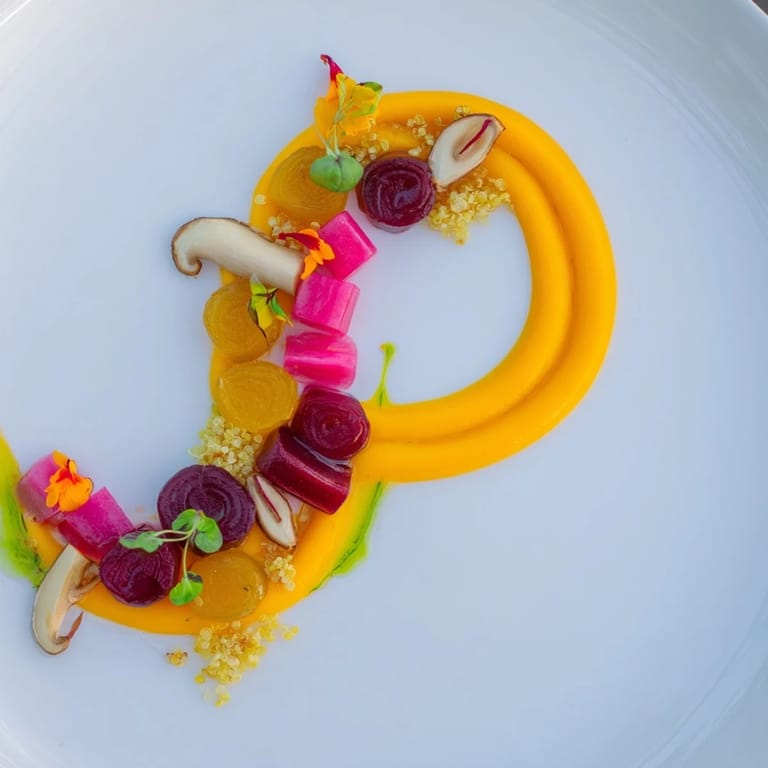
While this recipe presents a specific vision, consider it an invitation to explore. Try a parsnip purée for earthier notes or a sweet potato purée for warmth and color. Experiment with different mushroom varieties or replace the beets with roasted radishes for a peppery accent. The structure of the infinity loop remains your guide, but the specifics can shift based on what your kitchen and season offer. The most important lesson is this: cook with intention, build with harmony, and taste as you go.
- If your purée seems to separate during storage, blend it gently with a spoonful of warm stock before piping.
- Microgreens are fragile—add them last and only press them gently into place to preserve their delicate texture.
- White plates matter more than you'd think—they make colors pop and create the clean, modern aesthetic this dish deserves.
 Save
Save Cooking this dish reminds us that food is theater, memory, and love all at once. Every time you plate an infinity loop, you're not just arranging ingredients—you're creating a moment your guests will remember.
Recipe FAQs
- → How do I achieve the smoothest carrot purée?
Simmer carrots gently until very tender, then blend with butter and a pinch of salt until completely smooth. Adding a bit of vegetable stock helps adjust consistency for a velvety texture.
- → What’s the best way to marinate mushrooms without sogginess?
Use a gentle toss with olive oil, lemon juice, salt, and pepper, then let rest at room temperature for 20 minutes. Avoid over-marinating to keep the mushrooms slightly firm and glossy.
- → How can I ensure the quinoa is crispy?
After cooking and drying quinoa, fry it in vegetable oil over medium-high heat while stirring constantly until golden and crunchy with a nutty aroma.
- → What purpose does herb oil serve in this dish?
Herb oil adds vibrant color and a fresh, grassy aroma that complements the earthy and sweet flavors while highlighting the delicate flow of the plating.
- → Can the purée base be substituted?
Yes, alternatives like parsnip or sweet potato purée can be used to vary color and flavor while maintaining a smooth, pipeable consistency.