 Save
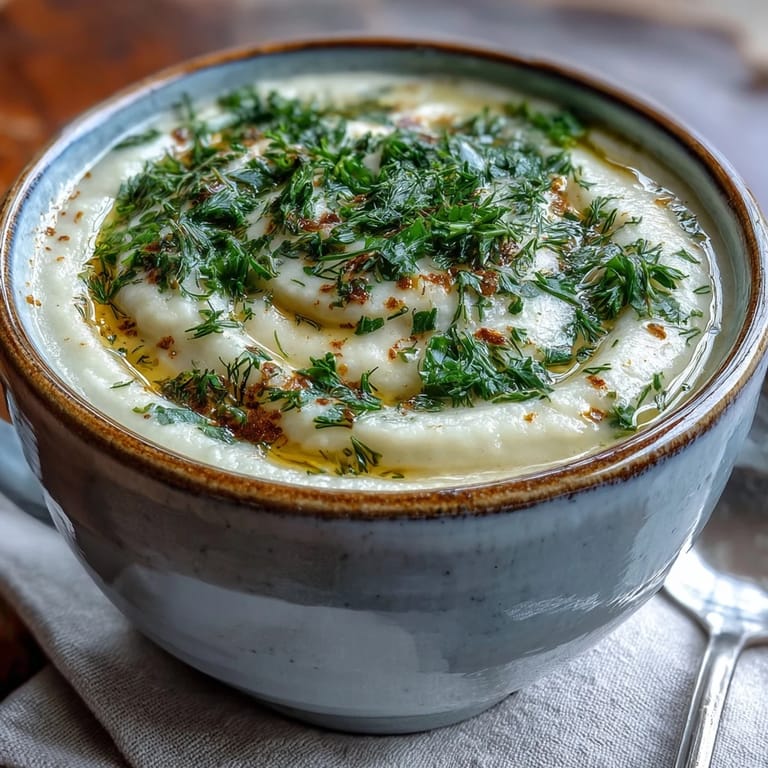
Save There's something almost magical about the way roasted parsnips transform in the oven, their edges turning a deep golden-brown while they soften into something wonderfully sweet. I discovered this soup quite by accident one November afternoon, standing in front of a pile of parsnips at the farmer's market with no real plan beyond roasting them. What emerged hours later was silky, warming, and so naturally elegant that I've made it countless times since for friends who need comfort in a bowl.
I made this for my mum one rainy January evening after she'd been under the weather, and watching her face light up at that first spoonful reminded me why I love cooking. She came back for seconds, which almost never happens, and asked me to write down exactly how I'd done it so she could make it herself next week.
Ingredients
- Parsnips (800 g, peeled and cut into chunks): The star of the show, they become creamy and sweet when roasted, giving the soup its natural richness without any cream needed.
- Onion (1 medium, chopped): Builds that savory base while roasting, adding depth that balances the parsnip's inherent sweetness.
- Garlic cloves (2, peeled): A quiet flavor enhancer that roasts into something mild and almost caramel-like if you don't let them burn.
- Potato (1 medium, peeled and diced): Adds body and helps create that luxurious creamy texture when blended, without needing heavy cream.
- Vegetable stock (1 L): Use a quality stock you actually like tasting on its own, as it becomes the liquid foundation of your soup.
- Whole milk or plant-based milk (200 ml): Finishes the soup with gentle richness and smooths out any rough edges from the roasting.
- Olive oil (2 tbsp): For roasting and drizzling, it's worth using something you enjoy the flavor of here.
- Bay leaf (1): Infuses the simmering soup with subtle aromatic notes that disappear into the background.
- Fresh thyme leaves (1 tsp or ½ tsp dried): Adds a gentle herbal whisper during cooking that echoes through every spoonful.
- Ground white pepper (½ tsp): Subtler than black pepper, it won't speckle the soup if you're after that silky presentation.
- Salt: Taste and adjust at the very end after blending, as flavors concentrate.
- Fresh parsley (2 tbsp, chopped): The bright herb that makes people notice something fresh has been added.
- Fresh chives (2 tbsp, chopped): A delicate onion note that adds color and gentle complexity without overpowering.
- Fresh dill (1 tbsp, chopped, optional): If you use it, you'll get a slightly lighter, more Nordic character to the soup.
Tired of Takeout? 🥡
Get 10 meals you can make faster than delivery arrives. Seriously.
One email. No spam. Unsubscribe anytime.
Instructions
- Heat your oven and prep the vegetables:
- Set your oven to 200°C (400°F) and while it's warming, peel and chunk your parsnips into roughly even pieces about the size of walnuts. This ensures they'll roast at the same rate and won't have some burnt while others stay pale.
- Roast until golden and tender:
- Toss your parsnips, chopped onion, and whole garlic cloves with 2 tablespoons of olive oil, spread them generously across a baking tray, and roast for 25 to 30 minutes, turning them halfway through. You're looking for deep golden edges and a fork-tender interior, which is when all that concentrated sweetness happens.
- Build the soup base:
- Transfer your roasted vegetables into a large saucepan, add the diced potato, bay leaf, fresh thyme, white pepper, and the entire litre of vegetable stock. Bring it to a boil, then lower the heat and simmer gently for about 15 minutes until the potato pieces are completely soft and falling apart slightly.
- Blend until silky smooth:
- Remove the bay leaf first, then blend the soup using either a blender or an immersion blender until it reaches that luxurious, completely smooth texture. If using a regular blender, work in batches and be careful with hot liquid.
- Finish with milk and reheat gently:
- Pour the blended soup back into your pan, stir through the milk, and warm it gently over medium heat without letting it boil, which would break the delicate emulsion. Taste as you go and add salt to your liking.
- Brighten with fresh herbs and serve:
- Stir in your chopped parsley, chives, and dill if using, then ladle into warm bowls and finish with a whisper of fresh herbs and a small drizzle of olive oil or cream if you like. This is where the soup goes from comforting to special.
 Save
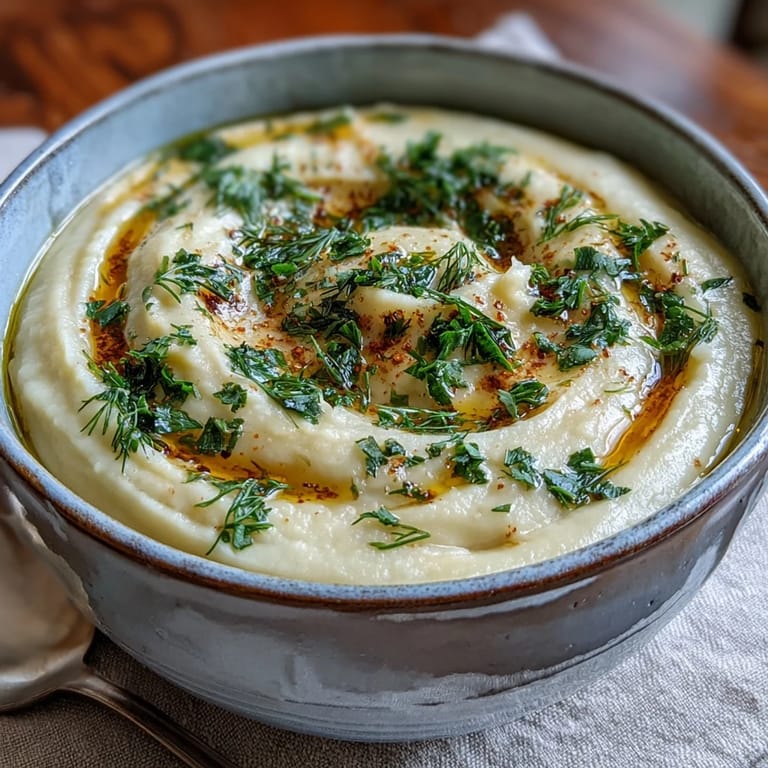
Save My neighbor smelled it cooking one afternoon and appeared at my back door with a hopeful expression, and fifteen minutes later we were sitting at my kitchen table eating soup and talking about her garden. That's when I realized this isn't just a recipe, it's an invitation to slow down.
The Magic of Roasting Vegetables
Roasting parsnips instead of boiling them straight into the pot is the difference between a soup that tastes adequate and one that tastes thoughtfully made. When vegetables roast, their natural sugars caramelize on the outside while the insides become creamy, and that golden edge is where all the flavor lives. I learned this the hard way after making watery parsnip soup the boiling method for years, wondering why it never tasted special until I finally tried roasting.
Blending for Perfect Texture
The choice between a regular blender and an immersion blender matters more than you might think here. A regular blender gives you absolute silkiness if you don't mind the extra washing, while an immersion blender is faster and means one less thing to clean, though you'll need to be patient and thorough to get the same completely smooth result. Either way, blend until you can't feel any grainy texture on your tongue when you taste a tiny spoonful straight from the pan.
Herbs That Finish Strong
Adding fresh herbs at the very end is what separates this soup from hundreds of other creamy vegetable soups, because they stay bright and recognizable instead of fading into the background. Parsley is forgiving and familiar, chives add an elegant whisper of onion, and dill takes it in a slightly unexpected direction if you want to surprise people. These aren't random additions but rather the final layer that makes someone taste this soup and think, oh, someone cared about this.
- Chop your herbs right before stirring them in so they don't darken or lose their fresh edge.
- If you can't find fresh dill, skip it rather than using dried, because dried dill tastes like an afterthought in this soup.
- Save a small handful of fresh herbs for garnishing each bowl, which gives it that restaurant-quality moment when the bowl arrives.
 Save
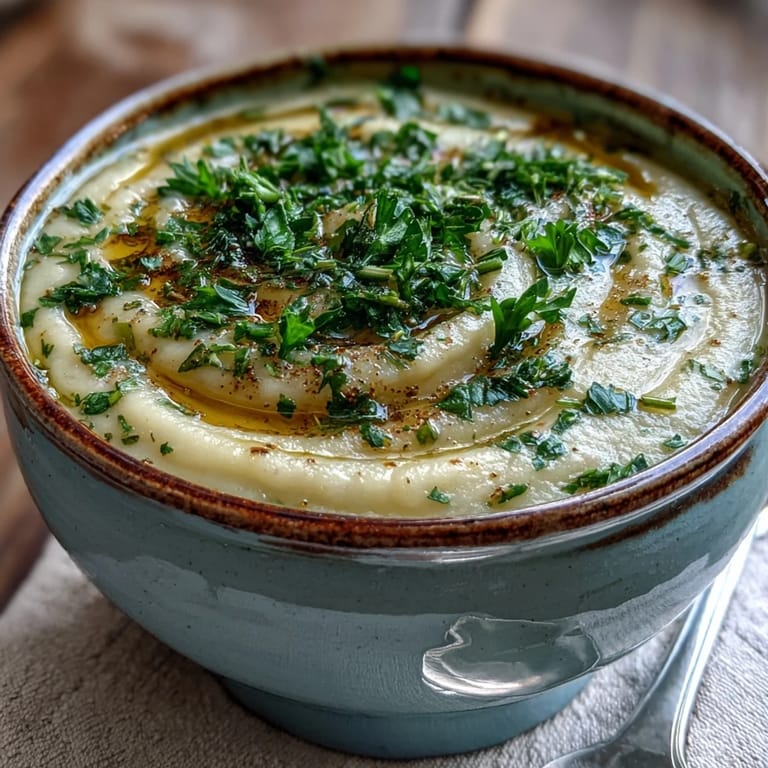
Save This is the soup I make when someone needs feeding, when the season shifts toward cold, or when I want to prove that simple ingredients deserve respect. Serve it with crusty bread and watch people slow down mid-conversation to really taste what's in their bowl.
Recipe FAQs
- → Can I freeze this soup?
Yes, freeze for up to three months. Cool completely before transferring to freezer-safe containers. Thaw overnight in the refrigerator, then reheat gently on the stove. You may need to add a splash of milk when reheating to restore consistency.
- → What other herbs work well?
Fresh rosemary or sage during roasting adds earthy depth. Tarragon brings subtle anise notes that complement parsnips beautifully. Basil works surprisingly well for a fresh twist. Use what you have—the soup adapts easily to different herb combinations.
- → Can I use frozen parsnips?
Fresh parsnips yield the best flavor and texture, but frozen work in a pinch. Thaw completely and pat dry before roasting to prevent sogginess. Note that frozen parsnips may be slightly less sweet and require a few extra minutes in the oven.
- → How do I make it thicker?
The potato naturally provides body, but add more diced potato if you prefer extra thickness. For a creamier texture, increase the milk or add a splash of cream. Alternatively, simmer uncovered for 5-10 minutes longer to reduce and concentrate flavors.
- → What can I serve alongside?
Crusty sourdough or whole grain bread is classic. A simple green salad with vinaigrette balances the richness. For a complete meal, top with toasted pumpkin seeds or serve alongside a cheese toastie. The soup also pairs beautifully with sharp cheddar on crackers.