 Save
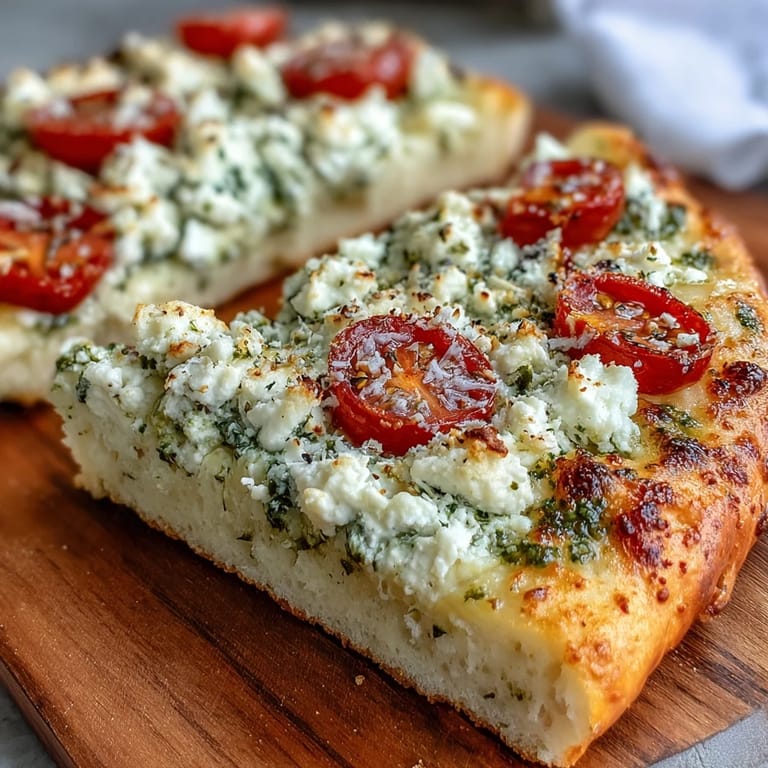
Save The first time cottage cheese flatbread started trending online, I hesitated—thinking, Honestly, could this be good? But after a friend’s rave text and a particularly snacky afternoon, I was soon elbow-deep in curds and curious anticipation. The way the kitchen filled with the tangy aroma of baking cheese was completely unexpected and a little thrilling. I remember the sizzle when I spread pesto over the just-warm crust, its green brightness swirling into the pillowy bread. It’s a marvel how such simple things can feel so special.
One Saturday last spring, my neighbor popped over with cherry tomatoes from her garden—still warm from the sun. We tossed them onto a flatbread fresh from the oven, our laughter echoing as juice dribbled down our hands. That was the afternoon the pesto started to feel essential, not optional.
Ingredients
- Cottage cheese: Full-fat gives richness, but low-fat works too—just blend until totally smooth for the dreamiest texture.
- Eggs: These help to bind everything together; the flatbread won’t rise without them.
- All-purpose flour (or gluten-free alternative): A little goes a long way to firm up the flatbread—gluten-free blends or chickpea flour both hold up beautifully.
- Salt: Always taste your cottage cheese; if it’s salty already, use a pinch less here.
- Garlic powder: Adds a savory warmth that lingers in the best way.
- Baking powder: Just half a teaspoon for a lift and gentle fluffiness.
- Basil pesto: Go all in with a bold, herby pesto—homemade or store-bought, both sing here.
- Cherry tomatoes: Their burst of sweetness makes this more than just cheese and bread.
- Fresh basil leaves: For a pop of color and that unmistakable fresh flavor—tear with your hands, not a knife.
- Freshly ground black pepper: Adds a gentle bite and depth, especially on top of the creamy toppings.
- Grated parmesan (optional): For true cheese lovers; just a dusting elevates the whole experience.
Tired of Takeout? 🥡
Get 10 meals you can make faster than delivery arrives. Seriously.
One email. No spam. Unsubscribe anytime.
Instructions
- Get the oven ready:
- Heat it up to 400°F (200°C) and line your baking tray with parchment—trust me, you’ll be glad you did at cleanup time.
- Blend and mix:
- Tumble cottage cheese, eggs, flour, salt, garlic powder, and baking powder into a bowl and blitz until smooth—no lumpy curds in sight and the colors come together like a batter.
- Shape the flatbreads:
- Divide the mixture into two, and use a spatula to coax each portion into ovals about 1/4-inch thick; don’t worry if they look rustic.
- Bake to golden:
- The edges should bronze and the middle set after 18–20 minutes—your nose will tell you when they’re ready.
- Add toppings:
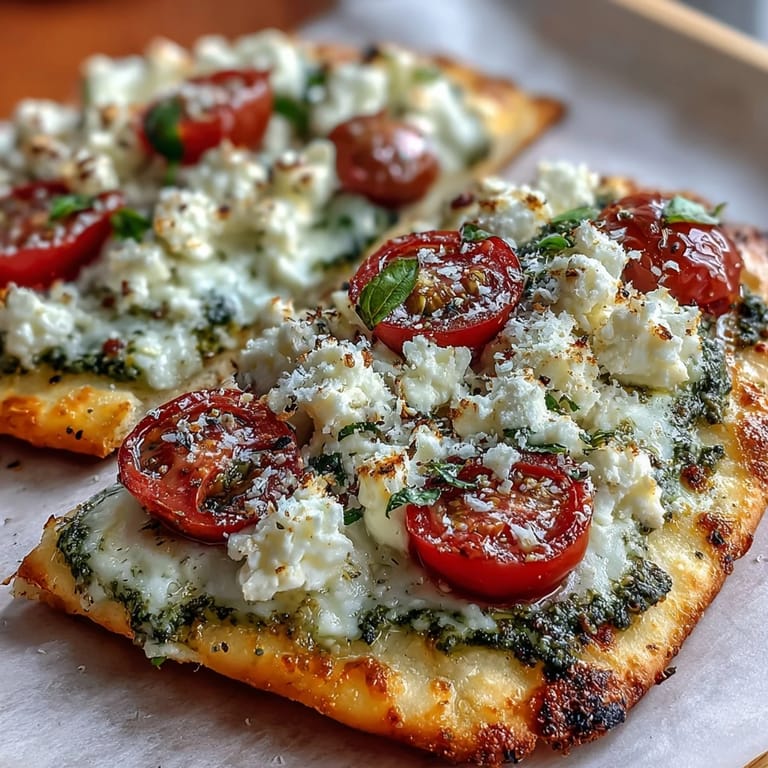
- Let the flatbreads cool just enough to touch, then slip pesto across the surface and nestle in the tomato halves—crowd them in or leave space, your choice.
- Finish and serve:
- Scatter on black pepper, optional parmesan, and a mess of basil leaves. Slice and serve warm, savoring the melting contrast of temperatures and colors.
 Save
Save  Save
Save The first time I cut this into wedges for a movie night, it went before the popcorn did—which, in my home, is unheard of. That fleeting crunch of warm tomato and the herby smell lingers longer than any film plot.
How to Customize Your Flatbread
After making this a dozen ways, my favorite switch-up involves sun-dried tomatoes or a faint sprinkle of red chili flakes for heat. You can also try adding roasted veggies or a swipe of ricotta alongside the pesto. Flatbread is the friendliest canvas.
Avoiding Baking Pitfalls
Give the flatbreads space on the tray so their edges crisp rather than steam. If you ever spot puddles during baking, check if your cottage cheese was too wet and blot it beforehand next time. Every oven has its own quirks, so watch those last few minutes—edges should be golden, not too brown.
Serving and Storage Ideas
This flatbread is best warm, but I’ve tucked leftover slices into lunchboxes with no complaints from anyone at the table. It reheats in the oven for a minute or two, losing none of that magic meld of crisp and softness.
- Add a few pepitas or pine nuts for crunch if nuts aren’t a concern.
- Store in an airtight container in the fridge, separate from toppings, for tomorrow’s lunch.
- Never skip the final sprinkle of basil—it brings the whole thing home.
 Save
Save 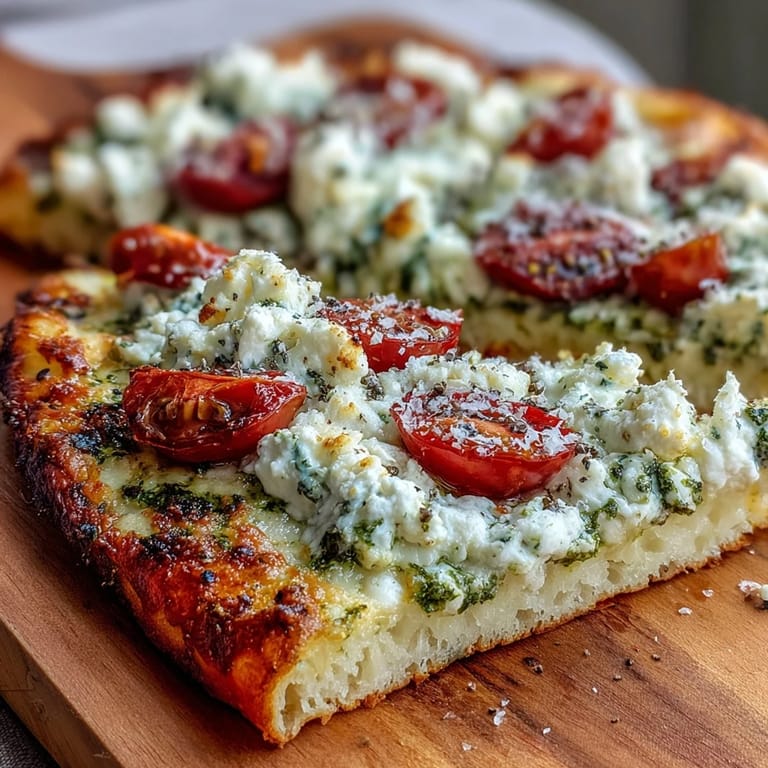 Save
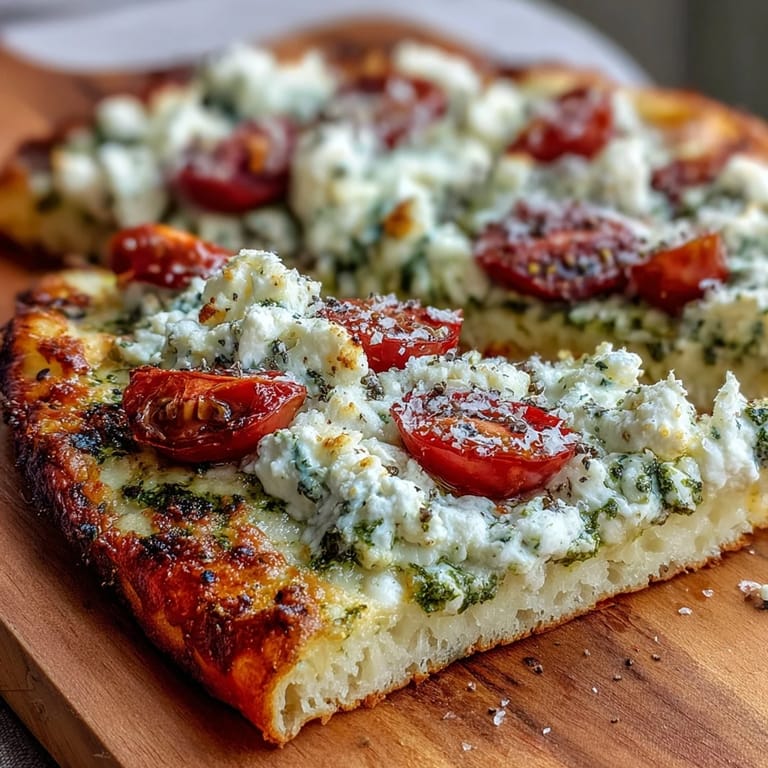
Save There’s real joy in baking something so simple that still surprises you with every bite. Try it once, and you might just find yourself making it on repeat.
Recipe FAQs
- → Can I make these flatbreads gluten-free?
Yes. Replace the all-purpose flour with a 1:1 gluten-free blend or chickpea flour. Texture may vary slightly; batter may be a bit denser, so watch baking time and check for set edges.
- → How do I get a smooth, lump-free batter?
Use a food processor or hand blender to pulse the cottage cheese with eggs and dry ingredients until completely smooth. Scrape the bowl and blend briefly again to ensure even texture.
- → What are good topping variations?
Try sun-dried tomatoes, roasted peppers, a sprinkle of chili flakes, arugula after baking, or swap basil pesto for a lemon-herb spread. Finish with grated parmesan or a squeeze of lemon for brightness.
- → How should I store and reheat leftovers?
Refrigerate cooled flatbreads in an airtight container for up to 3 days. Reheat in a preheated oven or toaster oven at 350°F (175°C) until warmed through to preserve crisp edges. Avoid microwaving if you want to keep texture.
- → Can I make an egg-free version?
For an egg-free approach, try a commercial egg replacer or a flax egg (1 tbsp ground flax + 3 tbsp water per egg), though texture will be slightly different—monitor baking time and set before removing.
- → Any tips for preventing soggy toppings?
Let the flatbreads cool slightly before adding pesto and fresh tomatoes to avoid steam softening the base. If using very juicy tomatoes, pat them dry or roast briefly to concentrate flavor and reduce moisture.