 Save
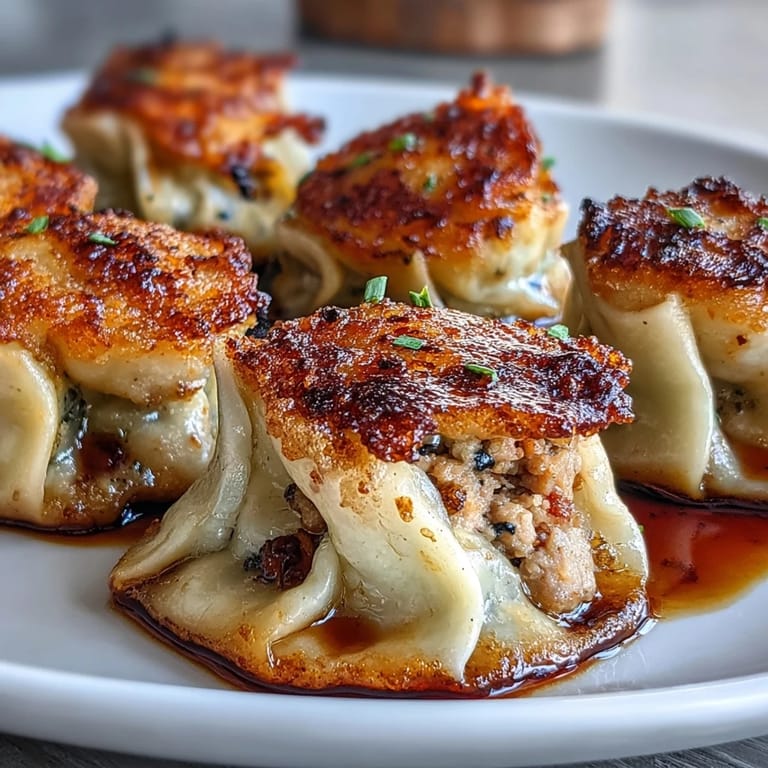
Save My neighbor handed me a plate of smash dumplings through the kitchen window one evening, steam still rising from the golden bottoms, and I understood instantly why she'd been raving about them all week. The crispy undersides gave way to tender, juicy filling with just one bite, and I was hooked enough to demand the technique right then and there. What makes these different from regular pan-fried dumplings is that final smash—a deliberate press with the spatula that shatters the already-crispy bottom into even more textured, shatteringly good pieces. Now I make them constantly, and they've become my go-to when I want something that feels fancy but doesn't require much fuss.
I brought these to a casual dinner party last spring, and my friend Sarah kept reaching for just one more, then suddenly the entire plate was gone and she was asking if I'd made extra. That moment when someone eats without hesitation or politeness—when they're genuinely enjoying something you made—that's when you know you've nailed it. We ended up laughing about how she'd demolished half the batch before anyone else could grab a second dumpling, and I've been making them whenever she visits ever since.
Ingredients
- Ground pork: The traditional choice for juicy, flavorful filling—chicken and turkey work beautifully too if you prefer something leaner.
- Scallions and ginger: These two are non-negotiable; they're what make the filling taste alive and bright rather than flat.
- Garlic, soy sauce, sesame oil, rice vinegar: Together they create the umami backbone that makes people go back for more.
- Napa cabbage: It adds moisture and texture to the filling, but you must squeeze it dry or your dumplings will weep liquid during cooking.
- Dumpling wrappers: Round gyoza wrappers are ideal, but wonton wrappers work in a pinch—just trim them into circles.
- Vegetable oil: Use a high-smoke-point oil so it doesn't burn during the searing stage.
- Water: Essential for the steaming phase that cooks the filling through while keeping the wrapper tender.
Tired of Takeout? 🥡
Get 10 meals you can make faster than delivery arrives. Seriously.
One email. No spam. Unsubscribe anytime.
Instructions
- Mix the filling:
- Combine your ground meat with scallions, ginger, garlic, soy sauce, sesame oil, rice vinegar, sugar, white pepper, and squeezed cabbage in a medium bowl. Stir until everything is evenly distributed—this is where the flavor develops.
- Fill and seal:
- Place a wrapper on your work surface, add about a tablespoon of filling to the center, then wet the edge with water and fold in half. Press firmly to seal, pleating the edges if you want them to look restaurant-quality, though honestly, rustic and slightly uneven dumplings taste just as good.
- Sear the bottoms:
- Heat oil in a large nonstick skillet over medium-high heat until it shimmers, then arrange dumplings flat-side down without crowding them. Let them cook undisturbed for 2–3 minutes until golden brown and crispy—listen for that satisfying sizzle.
- Steam them through:
- Carefully pour in water around the dumplings, cover the pan immediately, and let them steam for 5–6 minutes until the water has evaporated and the filling is cooked through. You'll hear the water evaporate—that's your signal to get ready for the final step.
- Smash and finish:
- Remove the lid and use a spatula to gently but deliberately press each dumpling so the bottom crackles and crumbles slightly, then cook uncovered for 2 more minutes to re-crisp everything. This is the secret—that extra press transforms good dumplings into unforgettable ones.
- Make the dipping sauce:
- Whisk together soy sauce, rice vinegar, and chili oil if you like heat, then finish with toasted sesame seeds for a nutty touch. Serve it on the side so people can dip as much or as little as they like.
 Save
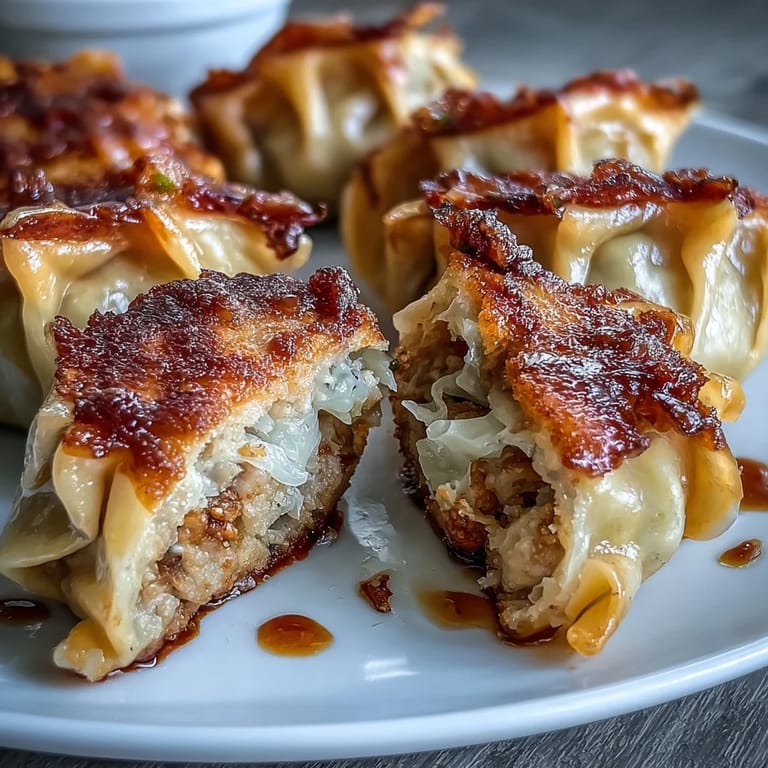
Save There's something deeply satisfying about watching someone experience that moment when they bite into a dumpling and the crispy bottom makes a small cracking sound between their teeth. It's such a small thing, but it's the difference between a dumpling that's simply good and one that someone remembers and asks about months later.
The Science of Crispy Bottoms
The magic happens because of the Maillard reaction—the searing creates a golden crust through direct contact with the hot oil, and then the steam phase cooks the filling without softening that bottom layer. I learned this the hard way after dozens of batches, and now I understand why timing matters: too much steam time and the crispy bottom softens again, too little and the filling stays raw. That final uncovered cooking phase is the redemption moment—it re-crisps everything and gives you that perfect texture.
Customizing Your Filling
Ground chicken is my go-to when I'm feeding people watching their intake, and it's honestly just as delicious—it stays juicy because of all that sesame oil and soy sauce in the filling. I've also experimented with adding finely chopped mushrooms for extra umami, or swapping half the meat for finely minced water chestnuts for added crunch. The key is respecting the seasoning ratios; if you're changing the filling dramatically, taste it raw (I know, but it's necessary) and adjust the soy sauce and sesame oil accordingly.
Serving and Storage Wisdom
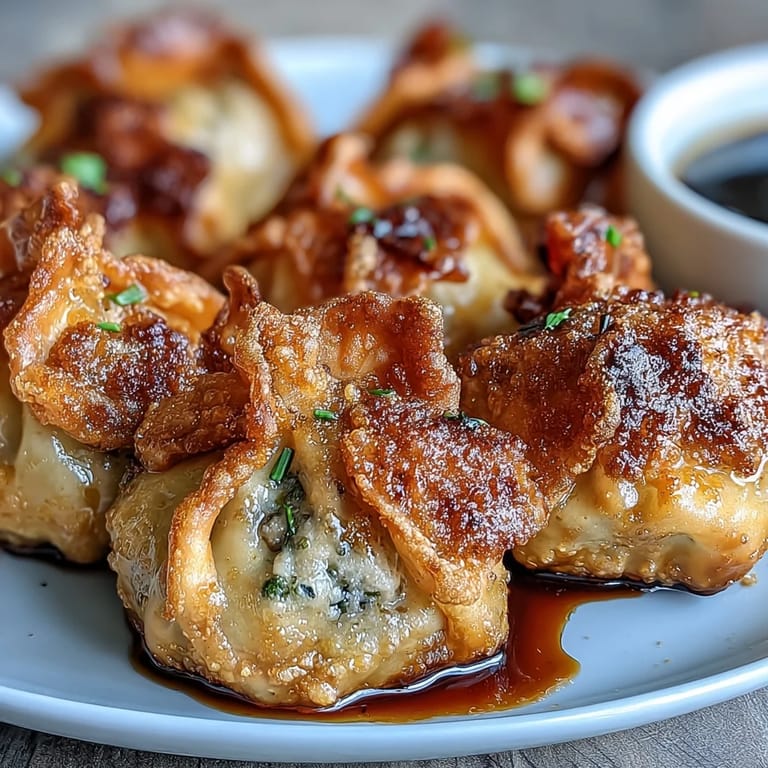
These dumplings are best eaten immediately while the bottoms are still shattered and crispy, but they keep in the refrigerator for up to three days and can be reheated gently in a skillet with a tiny splash of oil to restore some crispiness. I also freeze unbaked dumplings on a tray before transferring them to a freezer bag, and they cook beautifully straight from frozen—just add 2 more minutes to the steam time. One thing I've learned: never stack them in storage because the moisture softens everything, and you'll lose that texture that makes them special in the first place.
- Freeze unbaked dumplings for easy weeknight cooking anytime.
- Reheat leftovers in a pan with a tiny bit of oil rather than microwaving, which turns them soggy.
- Make the filling ahead and store it separately from the wrappers for flexible, stress-free assembly.
 Save
Save There's real joy in mastering something as simple and satisfying as a dumpling, and these crispy-bottomed beauties have become my casual confidence builder—easy enough for a Tuesday night, impressive enough for guests. Once you understand the rhythm of searing, steaming, and smashing, you'll find yourself making them constantly.
Recipe FAQs
- → What makes smash dumplings different from regular dumplings?
Smash dumplings are pressed with a spatula during the final stage of cooking, creating an extra-crispy, flattened bottom that maximizes the golden crust while keeping the filling juicy and tender.
- → Can I use store-bought dumpling wrappers?
Yes, store-bought gyoza or wonton wrappers work perfectly. Look for round wrappers in the refrigerated or frozen section of Asian grocery stores or well-stocked supermarkets.
- → How do I prevent the dumplings from sticking to the pan?
Use a nonstick skillet and ensure it's properly heated with enough oil before adding the dumplings. Avoid moving them during the initial frying stage until the bottoms are golden and naturally release.
- → Can I make these dumplings vegetarian?
Absolutely. Replace the ground pork with finely chopped mushrooms, tofu crumbles, or plant-based mince. Add extra vegetables like shredded carrots or water chestnuts for texture and flavor.
- → How do I store leftover dumplings?
Store uncooked dumplings on a parchment-lined tray in the freezer until solid, then transfer to a freezer bag for up to 3 months. Cook from frozen, adding 2-3 extra minutes to the steaming time.
- → What's the best way to seal dumpling wrappers?
Lightly moisten the edges with water using your finger, then press firmly to seal. You can create pleats for a traditional look or simply fold in half and pinch tightly to prevent filling from escaping.