 Save
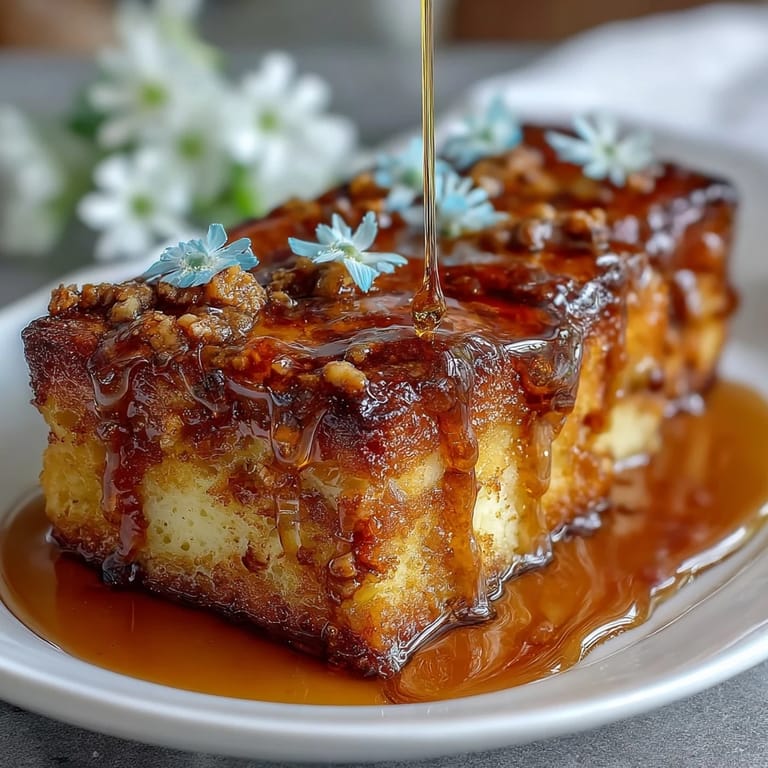
Save My neighbor handed me a jar of dandelion honey last spring with absolutely no context—just a knowing smile and "trust me." I spent three days staring at it before deciding to bake something worthy of its golden, almost floral intensity. This cake came together almost by accident, a marriage of that honey's delicate earthiness with bright lemon that somehow feels both sophisticated and deeply comforting. The first slice taught me that sometimes the best recipes arrive not from planning, but from standing in your kitchen wondering what to do with an unexpected gift.
I brought this to my book club on a gray April afternoon, and something shifted in the room the moment people tasted it. One friend closed her eyes and didn't say anything for a solid minute—she was just tasting, really tasting, the way you do when something unexpected delights you. That's when I realized this cake wasn't just dessert; it was a moment of pause in everyone's busy week.
Ingredients
- All-purpose flour (2 cups/250 g): The foundation that keeps this cake tender rather than dense; don't sift unless you've accidentally packed it down in storage.
- Baking powder and baking soda (1 1/2 tsp and 1/2 tsp): They work together to give you a crumb that's light and almost cloud-like, but measure carefully because baking is unforgiving.
- Fine sea salt (1/2 tsp): This tiny amount amplifies the honey and lemon notes in ways you won't consciously notice until it's missing.
- Unsalted butter (1/2 cup/115 g), room temperature: Cold butter will fight you during creaming; take it out an hour before baking or your arms will pay the price.
- Dandelion honey (1/2 cup/120 ml): If you can't find it, regular honey works, but you'll lose that whisper of floral complexity that makes people pause mid-conversation.
- Granulated sugar (1/2 cup/100 g): This sweetens the cake while the honey adds moisture and subtle flavor depth.
- Large eggs (3), room temperature: They emulsify better and create a silkier crumb when they're not straight from the fridge.
- Pure vanilla extract (1 tsp): The vanilla bridges the gap between honey and lemon, tying everything together.
- Whole milk (1/2 cup/120 ml), room temperature: Whole milk creates a richer, more tender cake than skim; trust this choice.
- Lemon zest (2 tbsp from about 2 lemons): Zest just before baking because it dries out quickly; the oils are where the bright citrus magic lives.
- Freshly squeezed lemon juice (2 tbsp): Fresh juice has a brightness that bottled will never capture, and it makes a real difference here.
- Powdered sugar (1 cup/120 g), sifted: Sifting eliminates lumps that would ruin your glaze's smooth appearance and texture.
- Dandelion honey for glaze (1 tbsp): This echoes the honey in the cake and adds subtle depth to the glaze instead of making it purely sharp.
Tired of Takeout? 🥡
Get 10 meals you can make faster than delivery arrives. Seriously.
One email. No spam. Unsubscribe anytime.
Instructions
- Prepare and preheat:
- Get your oven warming to 350°F and grease that cake pan thoroughly—use butter if you want the edges to brown slightly, or parchment paper if you prefer them pale and tender. This step takes two minutes but saves you heartbreak later.
- Combine your dry ingredients:
- Whisk the flour, baking powder, baking soda, and salt together in a medium bowl; this even distribution prevents dense pockets in your finished cake. Set it aside and don't second-guess yourself.
- Cream butter, honey, and sugar:
- Beat them together for about three minutes until the mixture is noticeably lighter in color and fluffy—this incorporates air that makes the cake rise and stay tender. You'll hear the mixer sound change when it's ready; that's your signal.
- Add eggs one at a time:
- Each egg needs a good minute to fully incorporate before you add the next one, ensuring the batter emulsifies properly. Rushing this step is where most people lose texture.
- Stir in vanilla, zest, and juice:
- The lemon zest will release its oils into the batter, filling your kitchen with that bright, promising scent; the juice adds tartness that balances the honey beautifully.
- Alternate dry and wet ingredients:
- Add the flour mixture in three parts, alternating with milk, starting and ending with flour—this prevents overmixing, which would develop gluten and make your cake tough. Stir until you see no flour streaks, then stop.
- Pour and bake:
- Transfer the batter to your prepared pan and smooth the top gently with a spatula; bake for 35 to 40 minutes until a toothpick inserted in the center comes out clean. Your kitchen will smell like spring distilled into edible form.
- Cool with patience:
- Let the cake rest in its pan for 10 minutes—this prevents it from crumbling when you turn it out—then flip it onto a wire rack to cool completely. This is when the crumb structure sets, so don't skip this step.
- Make the glaze:
- Whisk together powdered sugar, lemon juice (add it gradually to control consistency), and dandelion honey until you have something pourable but not runny. The honey will want to settle, so mix gently until smooth.
- Glaze and rest:
- Drizzle the glaze over your completely cooled cake and let it set for 10 to 15 minutes—this gives it time to firm up slightly while staying glossy. Now you can slice and serve.
 Save
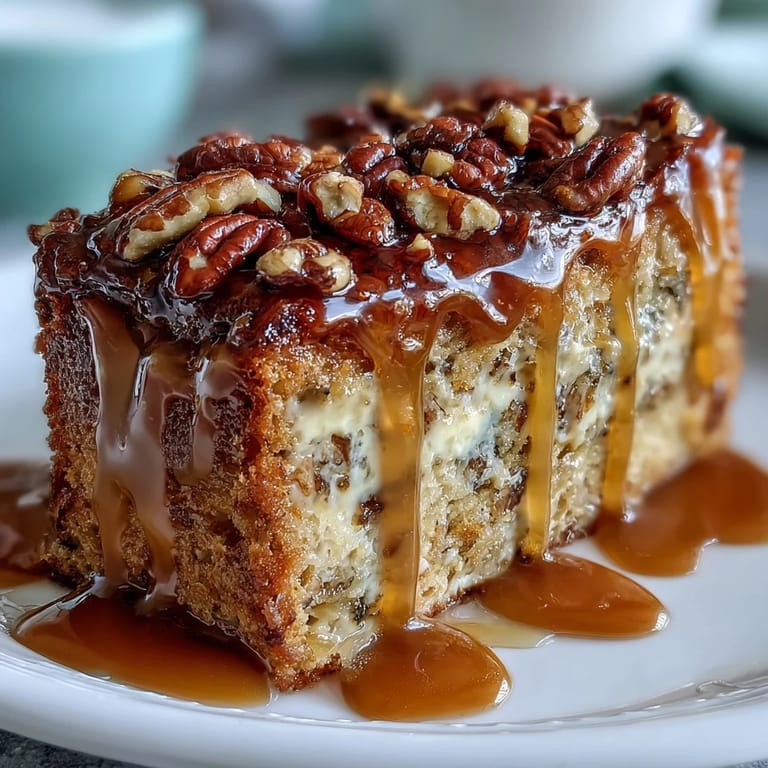
Save My mother asked for the recipe after the book club meeting, and when she made it the following week, she called to tell me that her kitchen smelled like hope. That phrase stuck with me because it's exactly what this cake does—it transforms the ordinary act of baking into something that feels a little bit like spring, even in the dead of winter.
When Dandelion Honey Becomes Your Secret Weapon
Dandelion honey has this quality that's hard to describe to someone who hasn't tasted it; it's floral without being perfumy, wild without being harsh. When you fold it into a cake, it doesn't announce itself loudly—instead, it creates layers of flavor that reveal themselves slowly as you eat. People will taste this cake and feel satisfied in a way they can't quite explain, and that's the quiet power of ingredients used thoughtfully.
The Lemon Glaze as Finishing Act
The glaze is where brightness lives on this cake, cutting through the honey's richness with a cheerful tartness that wakes up your palate. I learned early on that skimping on fresh lemon juice here is a mistake—the bottled stuff is muted and slightly bitter, while fresh juice is alive and clear. The dandelion honey in the glaze echoes what's in the cake below, creating a harmony that makes the whole thing feel intentional rather than assembled.
Serving and Storage
This cake stays tender at room temperature for three days if you keep it in an airtight container, which makes it perfect for baking ahead of gatherings. It pairs beautifully with herbal tea—chamomile especially—or with a light floral white wine if you're feeling celebratory. For an extra touch, you can finely chop unsprayed dandelion petals and fold them into the batter for a more pronounced floral note, though this is optional.
- Serve it at room temperature so the crumb tastes its best and the glaze is soft enough to appreciate.
- If you add dandelion petals, make absolutely certain they're from an unsprayed source, or grow them yourself if possible.
- Leftovers are wonderful the next day, when the flavors have had time to meld and deepen slightly.
 Save
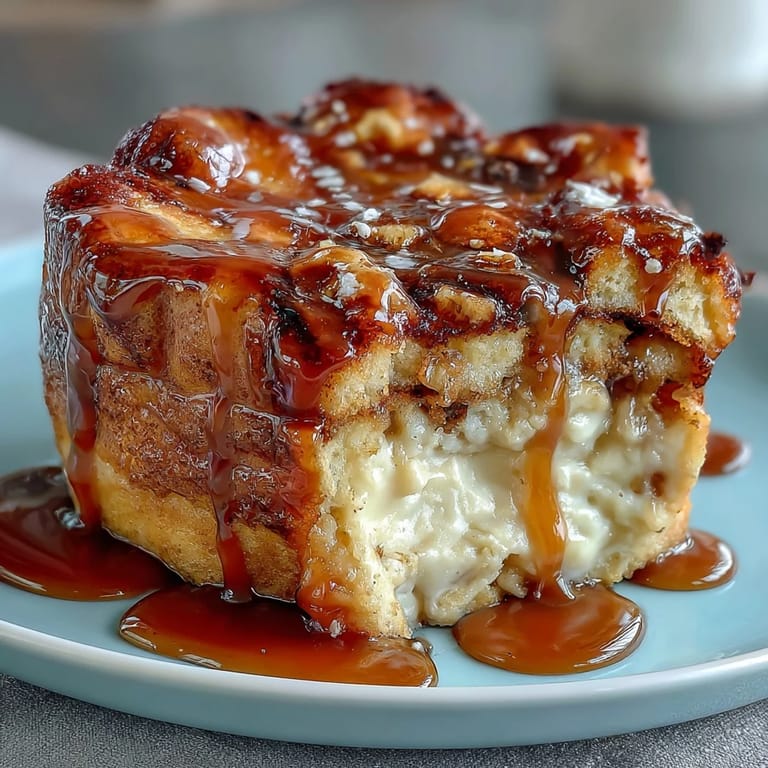
Save This cake has become my spring answer to almost every gathering, the thing I reach for when I want to give people a moment of quiet joy. There's something about the combination of honey, lemon, and butter that feels both timeless and personal, like you've stumbled onto something true.
Recipe FAQs
- → What gives this cake its distinct floral flavor?
The floral notes come from the dandelion honey, which imparts a unique sweetness and aroma distinct from regular honey.
- → How is the lemon glaze prepared?
The glaze is a simple mix of powdered sugar, freshly squeezed lemon juice, and dandelion honey whisked together until smooth.
- → Can I use a substitute if dandelion honey is unavailable?
Yes, regular honey can be used, but it may alter the subtle floral flavor characteristic of the original.
- → How can I enhance the dandelion flavor in the cake?
Adding finely chopped unsprayed dandelion petals to the batter amplifies the floral notes and complements the honey.
- → What is the best way to store this cake?
Keep the cake in an airtight container at room temperature for up to three days to maintain freshness and texture.
- → What pairs well with this dandelion honey lemon cake?
Herbal tea or a light floral white wine complements the cake’s sweet and citrus flavors beautifully.