 Save
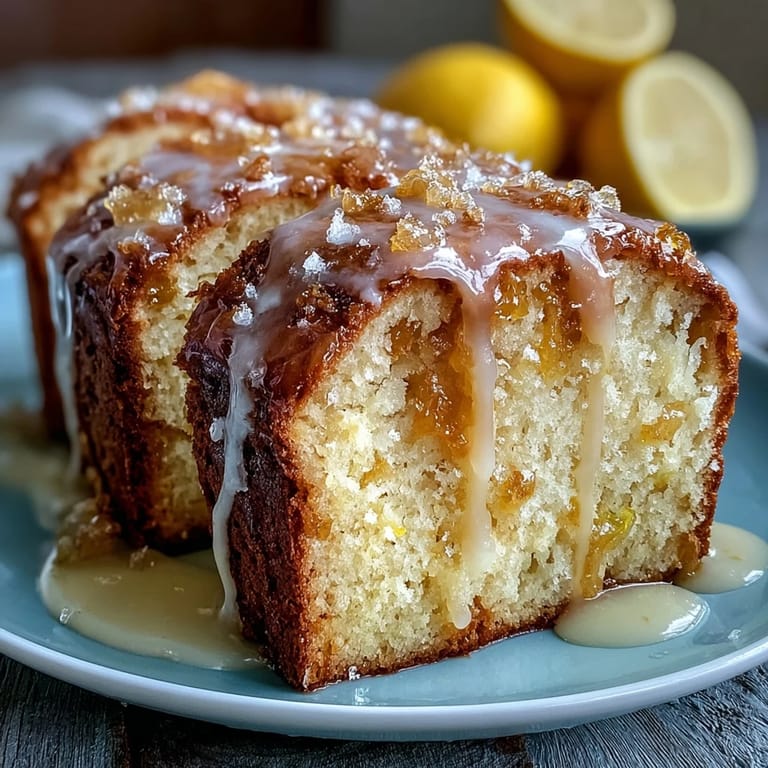
Save There's something about the smell of lemon zest hitting a warm mixing bowl that instantly lifts my mood, no matter what kind of day I'm having. My mum used to bake this cake on grey British afternoons, and somehow the kitchen would transform into the sunniest place in the house. Years later, I realized it wasn't magic—it was just butter, sugar, eggs, and the brightness of fresh lemons working together. Now when I make it, I'm not following a recipe so much as stepping back into that feeling of comfort and citrus warmth. This loaf has become my go-to when I want something that tastes impressive but feels effortless to make.
I'll never forget bringing this to a book club meeting where someone had just moved back from Italy and was feeling homesick. She took one bite and suddenly she was telling us about limoncello and Amalfi Coast summers. By the end of the evening, she'd asked for the recipe and started talking about making it with poppy seeds instead. That's when I realized this cake isn't just dessert—it's a conversation starter, a small edible memory that somehow fits into everyone's story a little differently.
Ingredients
- Unsalted butter (200g): Softened to room temperature is non-negotiable—cold butter won't cream properly and you'll end up with a dense cake instead of the light, fluffy crumb you're after.
- Caster sugar (200g): The fine crystals dissolve quickly into the butter, creating that pale, pillowy base that gives this cake its tender texture.
- Eggs (3 large): Room temperature eggs blend in smoothly without creating lumps; cold eggs from the fridge will fight you the whole way.
- Lemon zest (1 tbsp finely grated): Use a microplane or fine grater and zest only the yellow part—the white pith underneath is bitter and will ruin the delicate flavor.
- Self-raising flour (200g): This already has raising agents built in, which is why the cake rises beautifully without extra fuss.
- Baking powder (1/2 tsp): A little extra lift ensures the crumb stays open and airy.
- Salt (1/4 tsp): Just a pinch to make the lemon flavor sing without making anything taste salty.
- Whole milk (3 tbsp): Adds moisture and helps the batter come together into a smooth, pipeable consistency.
- Freshly squeezed lemon juice (2 tbsp in cake, 3 tbsp in glaze): Fresh juice has brightness that bottled never quite captures; if you use store-bought, use less because it's often more acidic.
- Icing sugar (80g for glaze): Sifted first so there are no lumps, which keeps the drizzle smooth and silky.
Tired of Takeout? 🥡
Get 10 meals you can make faster than delivery arrives. Seriously.
One email. No spam. Unsubscribe anytime.
Instructions
- Get your oven ready and prepare the tin:
- Preheat to 180°C (350°F) and line a 900g loaf tin with baking parchment, letting the paper hang slightly over the edges so you can lift the finished cake out. This takes two minutes but saves you the frustration of struggling to turn out a warm cake later.
- Cream butter and sugar into clouds:
- Beat softened butter and caster sugar together for about 3–4 minutes until the mixture is pale, fluffy, and looks almost like frosting. You're incorporating air here, which is what makes the cake light instead of heavy.
- Add eggs one at a time, treating them like a delicate team:
- Crack each egg in, beat well, and let it fully combine before adding the next one. If the mixture looks slightly curdled, don't panic—it'll come back together once you add the flour.
- Stir in lemon zest and fill the kitchen with fragrance:
- Mix in the finely grated zest until evenly distributed; this is where the flavor magic really begins, and you'll notice the batter suddenly smells like springtime.
- Fold in flour gently to keep the air intact:
- Sift the flour, baking powder, and salt together, then fold into the wet mixture using a spatula with as few strokes as possible. Overmixing at this stage develops gluten and creates a tough, dense cake.
- Stir in milk and lemon juice until smooth:
- The batter should be smooth and pipeable but not stiff; the liquid additions make it flow easily into the tin.
- Pour and smooth:
- Transfer the batter to the prepared tin and use a spatula to level the top so the cake bakes evenly.
- Bake until a skewer comes out clean:
- This takes 45–50 minutes; you'll know it's ready when the kitchen smells intensely lemony and a skewer inserted into the center pulls out without wet batter clinging to it.
- Make the glaze while the cake bakes:
- Whisk together icing sugar and fresh lemon juice until it reaches a thick but pourable consistency—you want it to drip slowly, not run off immediately.
- The crucial glaze step while the cake is still warm:
- Let the cake cool in the tin for 10 minutes, then use a skewer to poke holes all over the top. Slowly drizzle the glaze over the warm cake so it soaks into those holes and creates a sweet-tart crust on top.
- Cool completely before slicing:
- Leave it in the tin until it's completely cool so it holds together when you turn it out and slice.
 Save
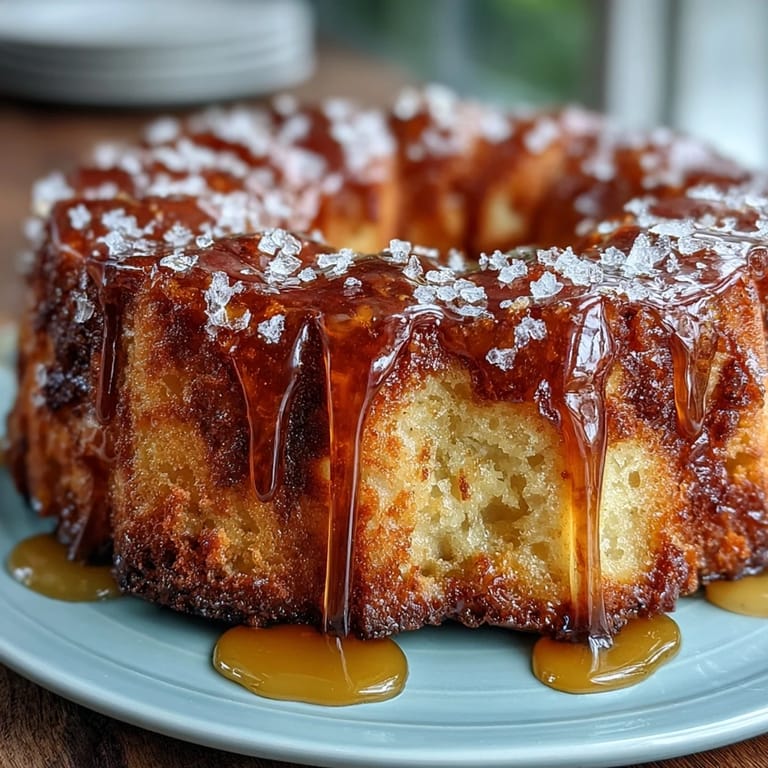
Save My neighbor once asked why I always wrap an extra loaf in foil and leave it on her doorstep, and I honestly couldn't explain it in words—I just knew that lemon cake was something that made people feel seen. She started leaving empty tins on my doorstep as a hint for my next batch, and suddenly we had this sweet, unspoken language between us. That's what this cake does; it becomes more than dessert when you share it.
Why This Cake Works Every Time
The ratio of butter to sugar to flour is perfectly balanced so the cake rises steadily without puffing up and sinking in the middle. The self-raising flour means you don't have to fuss with measuring baking soda and cream of tartar separately, and the milk keeps everything moist without making it heavy. The lemon juice added to the batter itself—not just the glaze—means the flavor isn't just on the surface but woven throughout every bite. There's a reason British bakers have been making this for generations; it's foolproof when you follow the method.
Variations That Actually Work
Add a handful of poppy seeds to the batter for a subtle nuttiness and a bit of texture that catches the light when you slice it. A tablespoon of honey mixed into the glaze instead of pure icing sugar creates a slightly softer finish that feels more indulgent. For an evening twist, replace half the lemon juice in the glaze with limoncello or even a splash of elderflower cordial—both turn this into something you'd serve with coffee or a glass of wine.
Storage and Serving Ideas
Wrapped in foil, this cake stays moist for four or five days at room temperature, which means you can make it ahead without guilt. It's wonderful sliced thick and served at room temperature with fresh berries alongside, or lightly toasted with a dollop of whipped cream or mascarpone. For something unexpected, try it slightly warm with a small glass of lemon cordial or a cup of Earl Grey tea—the warm spice in the tea plays beautifully against the bright citrus.
- If you're serving it for guests, slice it just before they arrive so it looks freshly baked and feels like an occasion.
- A thin layer of lemon curd between two slices and a dusting of icing sugar turns it into something that feels like you spent hours in the kitchen.
- Room temperature cake is always more flavorful than cold cake, so pull it from the tin at least an hour before serving.
 Save
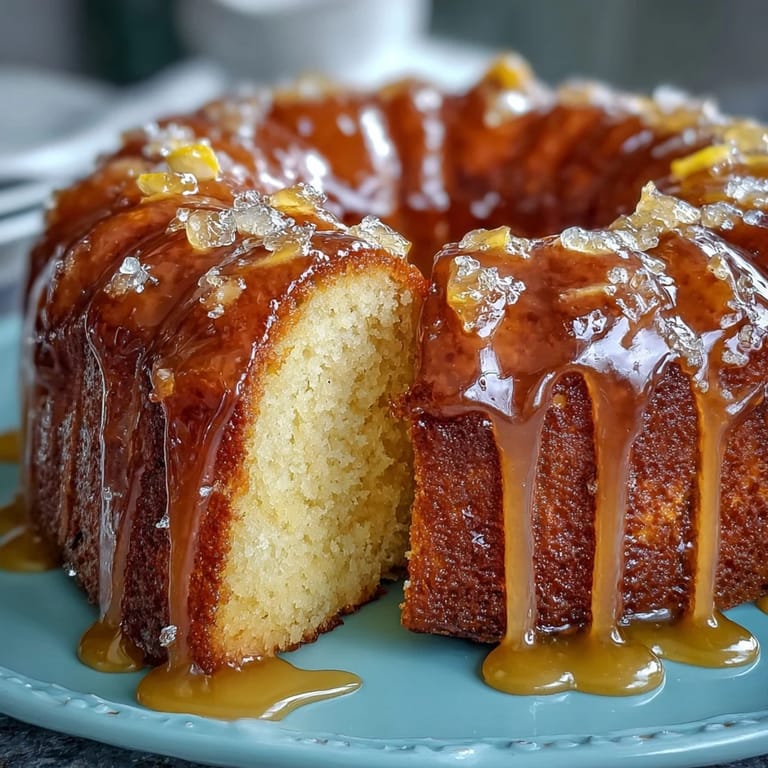
Save Baking this cake has taught me that simplicity and brightness can be more memorable than anything fancy or complicated. Every time the oven door opens and that warm lemon-scented steam rises out, I'm reminded why people have been baking versions of this for so long.
Recipe FAQs
- → How is the lemon flavor incorporated?
Fresh lemon zest and juice are mixed into the batter to infuse bright citrus notes, while a lemon glaze poured over the warm loaf adds tangy sweetness.
- → What ensures a moist texture?
Combining softened butter, eggs, and milk creates a tender, moist crumb, while careful folding prevents overmixing that could dry the loaf.
- → Can I add any extra ingredients?
Yes, a handful of poppy seeds can be folded into the batter for texture, and limoncello can replace half the lemon juice in the glaze for an adult twist.
- → What baking pan size is ideal?
A 900g (2lb) loaf tin is recommended to ensure even baking and proper shape for the drizzle to soak in.
- → How do I know when the loaf is done?
Insert a skewer into the center; when it comes out clean, the loaf is baked through and ready to cool before glazing.