 Save
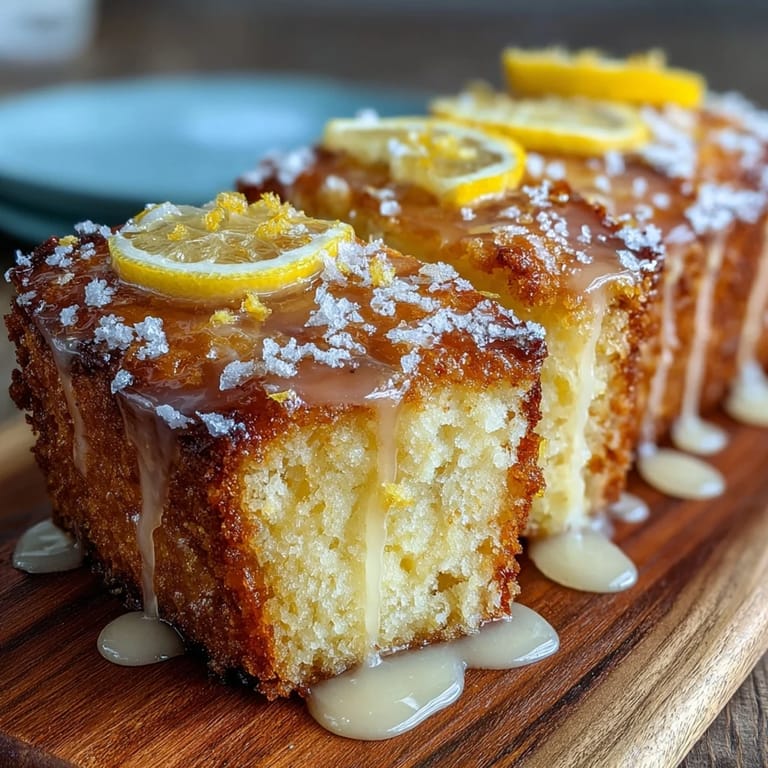
Save My sister arrived unannounced on a Thursday afternoon with a bottle of Limoncello from her trip to the Amalfi Coast, insisting I had to do something with it immediately. I'd never baked with liqueur before, but standing in my kitchen with that golden bottle catching the light, I felt oddly compelled to try. Three hours later, the house smelled like a lemon grove, and she was already reaching for a second slice before the glaze had even set. That cake changed how I think about butter, sugar, and the kind of magic that happens when you're willing to experiment with something just because someone you love brought it home.
I made this for my book club once, not really thinking it was a showstopper, just something I'd been testing. The moment I set it on the table, the conversation shifted—suddenly everyone was quiet, just eating and sighing. One friend asked for the recipe before she'd even finished her slice, and I realized then that sometimes the simplest gestures matter most. It wasn't fancy or complicated, just really good cake that tasted like sunshine and butter.
Ingredients
- Unsalted butter (1 cup): Room temperature is non-negotiable here; cold butter won't incorporate smoothly and you'll end up with a dense crumb instead of that tender, almost cloud-like texture.
- Granulated sugar (2 cups): This is your moisture and structure, so don't be tempted to reduce it—the creaming stage is where the magic begins.
- Eggs (4 large, room temperature): Temperature matters because they blend more smoothly into the batter, creating a finer, more delicate crumb.
- Limoncello liqueur (1/4 cup): This is what separates this cake from every other lemon cake you've made; the herbal, botanical notes add complexity that fresh juice alone simply cannot provide.
- Whole milk (1/4 cup, room temperature): Keep it at room temperature so it doesn't shock the batter and cause the emulsion to break.
- Freshly grated lemon zest (2 tablespoons): Always zest before you juice—once the lemon is cut, the zest becomes harder to grip, and you want those tiny, fragrant bits suspended throughout the cake.
- Fresh lemon juice (1/4 cup): Freshly squeezed makes a noticeable difference; bottled juice tastes flat and slightly chemical by comparison.
- All-purpose flour (2 1/2 cups): Spoon and level rather than scooping directly from the bag to avoid packing too much flour into your measuring cup.
- Baking powder (1 1/2 tsp): This gives the cake its gentle rise without making it cakey or too light.
- Salt (1/2 tsp): A pinch that you might think is pointless but actually amplifies all the lemon flavors and rounds out the sweetness.
- Powdered sugar for glaze (1 cup, sifted): Sifting removes lumps that will create a grainy, uneven glaze no matter how much whisking you do.
- Lemon juice for glaze (2–3 tablespoons): Start with 2 and add more if you want it thinner; you can always add but you can't take away.
- Limoncello for glaze (1 tablespoon): This keeps the glaze flavor consistent with the cake itself and prevents it from tasting one-dimensional.
Tired of Takeout? 🥡
Get 10 meals you can make faster than delivery arrives. Seriously.
One email. No spam. Unsubscribe anytime.
Instructions
- Prepare Your Pan and Preheat:
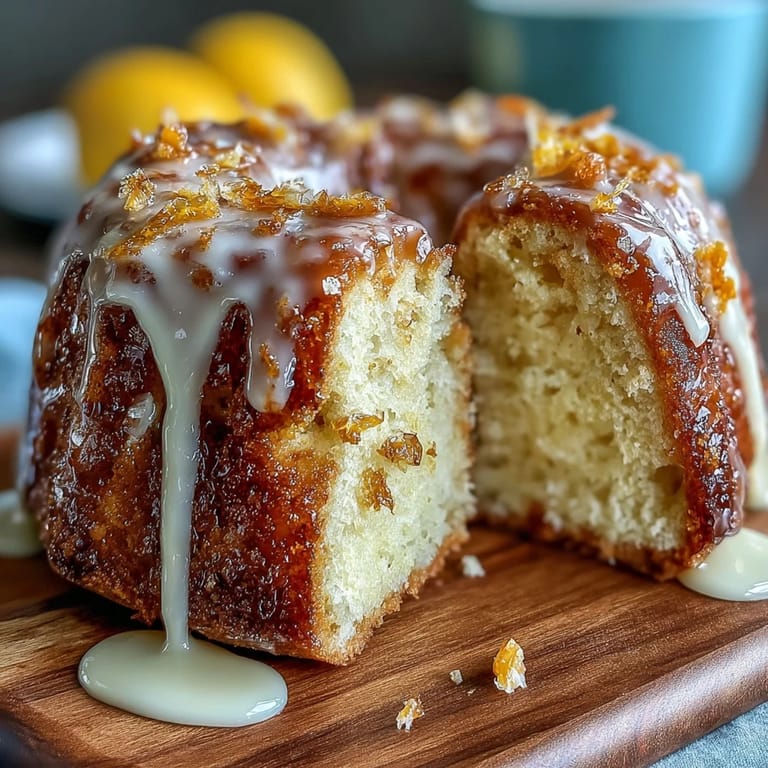
- Set your oven to 350°F and take the time to grease and flour your loaf or bundt pan properly—a bundt pan especially needs attention in all those crevices or you'll spend half an hour trying to coax your beautiful cake out in pieces. If you're using a bundt, consider baking spray with flour already mixed in; it's a game-changer.
- Cream the Butter and Sugar:
- This step takes about 3 to 4 minutes and you'll know it's done when the mixture is pale yellow, voluminous, and looks almost mousse-like. Stop before this point and your cake will be dense; go too long and it's just wasting time.
- Incorporate the Eggs:
- Add each egg one at a time and let it fully blend before adding the next one—this takes patience but creates a smooth, emulsified batter. Rushing this step means broken emulsions and a cake that bakes unevenly with weird dense pockets.
- Add the Zest, Liqueur, Juice, and Milk:
- Stir these together until they're evenly distributed, and this is where your kitchen will start smelling absolutely intoxicating—lemon and a hint of that herbal Limoncello. Don't overmix at this stage; just combine gently.
- Mix the Dry Ingredients:
- Whisk the flour, baking powder, and salt together in a separate bowl so the leavening is evenly distributed throughout. This small step prevents you from biting into a pocket that has no baking powder at all.
- Combine Wet and Dry:
- Add the dry mixture to the wet mixture in three additions, stirring just until combined after each one—overmixing at this point develops gluten and makes the cake tough. You want to mix until you don't see flour streaks anymore, then stop.
- Bake:
- Pour the batter into your prepared pan and bake for 50 to 55 minutes, checking with a toothpick starting at the 50-minute mark. The toothpick should come out clean or with just a few moist crumbs; if batter clings to it, give it another few minutes.
- Cool the Cake:
- Let it rest in the pan for 15 minutes—this allows the structure to set slightly so the cake doesn't tear apart when you turn it out. Then carefully invert it onto a wire rack and let it cool completely before glazing, which takes about an hour.
- Make the Glaze:
- Whisk the sifted powdered sugar with lemon juice and Limoncello until you have a pourable consistency; it should drip off the spoon slowly rather than run like water. Taste it—it should make your mouth pucker just slightly, because the warm cake will dull the tartness.
- Glaze and Set:
- Drizzle the glaze over the completely cooled cake in a decorative pattern, then scatter fresh lemon zest on top while it's still wet so it sticks. Let it set for at least 30 minutes before slicing so the glaze firms up and doesn't smudge everywhere.
 Save
Save I brought this cake to my neighbor last spring when her mother was visiting, and she told me months later that they'd sat on the porch eating it and laughing until it was gone. The cake itself was forgettable—just butter and flour and eggs—but it created a moment, and that's what I realized I actually enjoy about baking. It's not about being a perfect baker; it's about giving people something warm that they don't have to make themselves.
When to Serve This Cake
This is the kind of cake that works equally well at a fancy tea party or eaten straight from the pan at midnight in your kitchen, which says something important about its adaptability. I've served it with fresh berries and whipped cream at dinner parties, and I've also eaten a slice with my morning coffee when I couldn't sleep the night before. It doesn't judge the occasion; it just shows up and tastes good, and sometimes that's the only criterion that matters.
Storing and Keeping Your Cake Fresh
The beauty of pound cake is that it actually improves on day two or three as the flavors settle and meld together—the lemon becomes less sharp and more integrated. Store it wrapped tightly in plastic wrap or in an airtight container at room temperature for up to four days, or wrap it well and freeze it for up to three months. If you freeze it, thaw it at room temperature for a few hours before unwrapping so condensation doesn't make the glaze weep.
Variations and Substitutions to Explore
Once you've made this cake once, you'll want to play with it, and the great news is that it's forgiving enough to handle experimentation. You can use cake flour for half the all-purpose flour if you want an even more tender crumb, though you'll need to reduce the amount slightly since cake flour is more densely packed. If you don't have Limoncello, use additional lemon juice and add a teaspoon of vanilla extract or almond extract to compensate for the missing complexity—it won't be the same, but it will still be delicious.
- Try adding a teaspoon of poppy seeds to the batter for texture and a subtle nutty flavor that complements the lemon beautifully.
- Substitute half the lemon juice with lime juice for a Limoncello-lime version that feels tropical and unexpected.
- Add a tablespoon of honey to the glaze for a smoother, more luxurious finish that's less likely to crack when set.
 Save
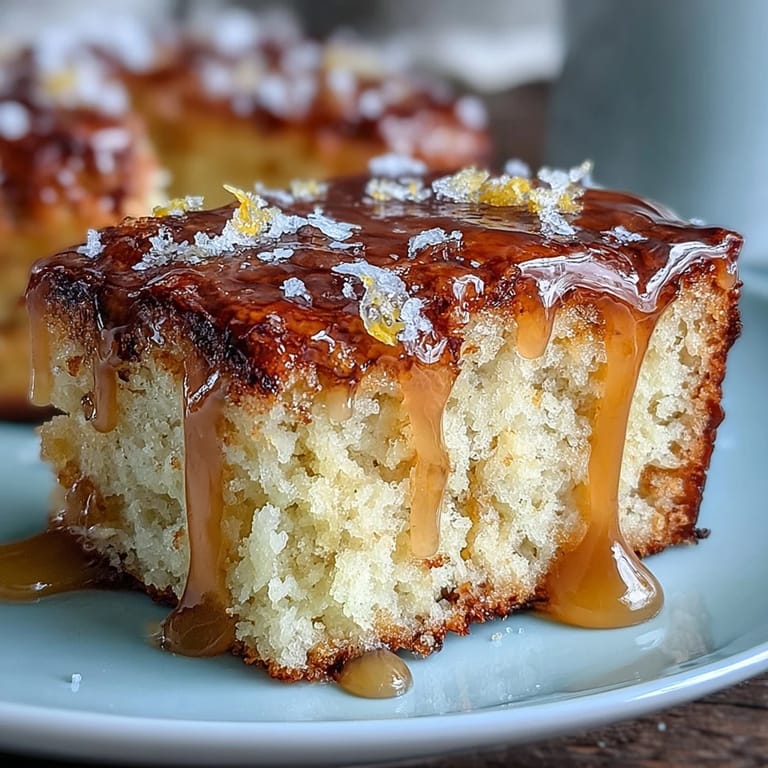
Save This cake is really just about taking something simple and making it taste like you've paid attention, like you cared enough to use good ingredients and not rush. That's the whole point, and it's also why it matters more than you'd think.
Recipe FAQs
- → Can I substitute Limoncello with something else?
Yes, you can replace Limoncello with extra fresh lemon juice for a non-alcoholic option, though the flavor will be less complex.
- → What pan size is best for baking this cake?
A 9x5-inch loaf pan or bundt pan works well to ensure even baking and the right texture.
- → How do I know when the cake is fully baked?
Insert a toothpick into the center; it should come out clean when the cake is done baking.
- → Can I use cake flour instead of all-purpose flour?
Substituting half the all-purpose flour with cake flour can create a lighter, more tender crumb.
- → How should I store the pound cake for best freshness?
Keep the cake covered at room temperature for up to two days or refrigerate it wrapped tightly to maintain moisture.