 Save
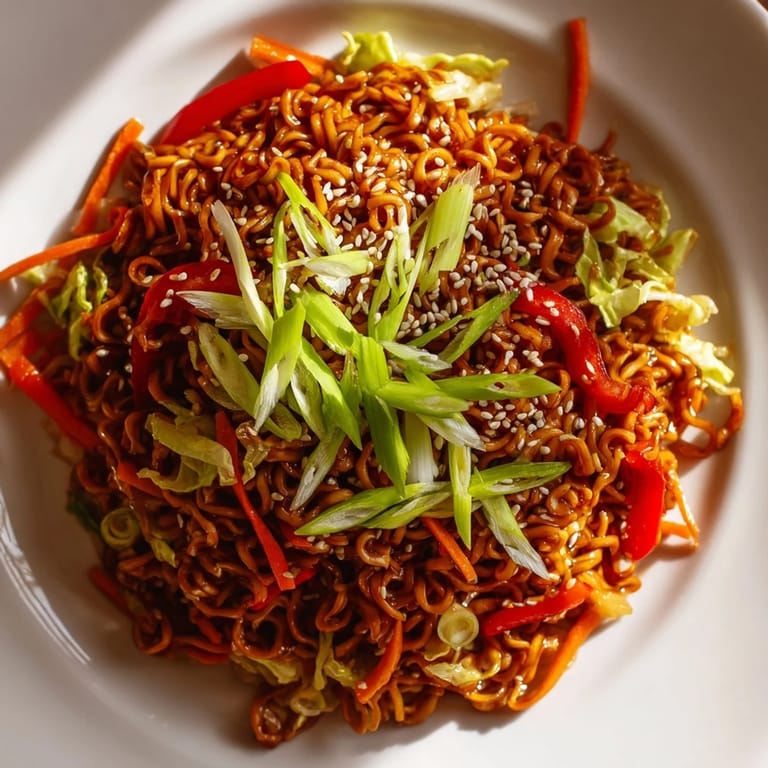
Save One late night while scrolling through my phone, I stumbled onto this viral ramen stir fry that people were raving about. The videos showed perfectly springy noodles coated in a glossy, fiery sauce with vegetables that still had a satisfying snap to them. I decided to throw it together on a random weeknight when I had almost nothing in my pantry except instant ramen and whatever vegetables were lingering in my crisper drawer. What came out of that wok surprised me—it tasted nothing like the sad ramen I'd eaten during college. It was bold, fast, and honestly better than most takeout I'd paid actual money for.
I made this for my roommate on a Tuesday when she came home exhausted from work, and I watched her face light up on the first bite. She asked for the recipe immediately, which was the first time someone had asked me for a recipe that wasn't from the back of a box. Now whenever we're both running low on energy and motivation, this is what we make together in that narrow galley kitchen of ours, usually while debating whether we added enough heat.
Ingredients
- Instant ramen noodles (2 packs): Throw away those seasoning packets—they're doing you no favors here. The noodles themselves are perfect for this because they're thin enough to absorb the sauce without getting mushy.
- Shredded cabbage (1 cup): This is your texture anchor. It softens just enough to be pleasant but stays crisp enough that you actually notice it between bites.
- Julienned carrot (1 medium): Thin slices mean it cooks fast and distributes flavor throughout the whole dish instead of sitting there like decorative chunks.
- Green onions (2), sliced: Add these at the end so they don't wilt into invisibility. You want that sharp, fresh contrast against the heat.
- Red bell pepper (1/2), thinly sliced: Another texture player that brings a subtle sweetness to balance the savory and spicy elements.
- Soy sauce (2 tablespoons): This is your umami backbone. Don't skimp on quality here if you can help it.
- Sriracha or chili garlic sauce (1 tablespoon): Pick whatever heat you actually enjoy eating. There's no point in making something so spicy you can't taste anything else.
- Oyster sauce (1 tablespoon): Use vegan oyster sauce or hoisin if that's your thing—it adds depth without overpowering.
- Brown sugar (1 tablespoon): A small amount balances the heat and saltiness so the sauce doesn't punch you in the face.
- Sesame oil (2 teaspoons): This is a finishing oil, not a cooking oil. It has a rich, toasty flavor that makes everything smell incredible.
- Rice vinegar (1 teaspoon): A touch of acidity cuts through the richness and brightens everything up.
- Garlic (2 cloves), minced: Fresh garlic hits different when it's just barely cooked and fragrant—frozen or jarred work too if that's what you have.
- Vegetable oil (1 tablespoon): High heat cooking needs an oil with a high smoke point. Avoid olive oil here.
- Toasted sesame seeds: Sprinkle these right before serving for texture and a nutty flavor that ties everything together.
- Red pepper flakes (1/2 teaspoon, optional): Extra heat if you're feeling brave or if your sauce needs a little more kick.
Tired of Takeout? 🥡
Get 10 meals you can make faster than delivery arrives. Seriously.
One email. No spam. Unsubscribe anytime.
Instructions
- Cook the noodles until they're just barely firm:
- Boil water and add your ramen noodles, but check them a minute earlier than the package suggests. You want them to have a slight resistance when you bite through them, not soft and mushy.
- Mix your sauce so it's ready to go:
- Whisk together the soy sauce, sriracha, oyster sauce, brown sugar, sesame oil, rice vinegar, and black pepper in a small bowl. Taste it—it should be balanced between salty, spicy, and a little sweet.
- Get your wok or skillet screaming hot:
- Blow out the garlic aroma:
- Pour vegetable oil into your hot pan and immediately add minced garlic. You'll smell it within seconds, which is your signal to move to the next step before it burns.
- Cook the vegetables until they wake up:
- Toss in cabbage, carrot, and bell pepper and keep stirring for about 2-3 minutes. You're looking for them to soften slightly while still maintaining their crunch.
- Bring everything together in the heat:
- Add the drained noodles and pour in your sauce, then toss constantly for 1-2 minutes until every strand is coated and the whole pan is steaming. This is where it transforms from separate ingredients into one cohesive dish.
- Finish with the bright, fresh notes:
- Scatter green onions, sesame seeds, and a pinch of red pepper flakes across the top and toss once more to combine. Serve it right away so nothing has a chance to get soggy.
 Save
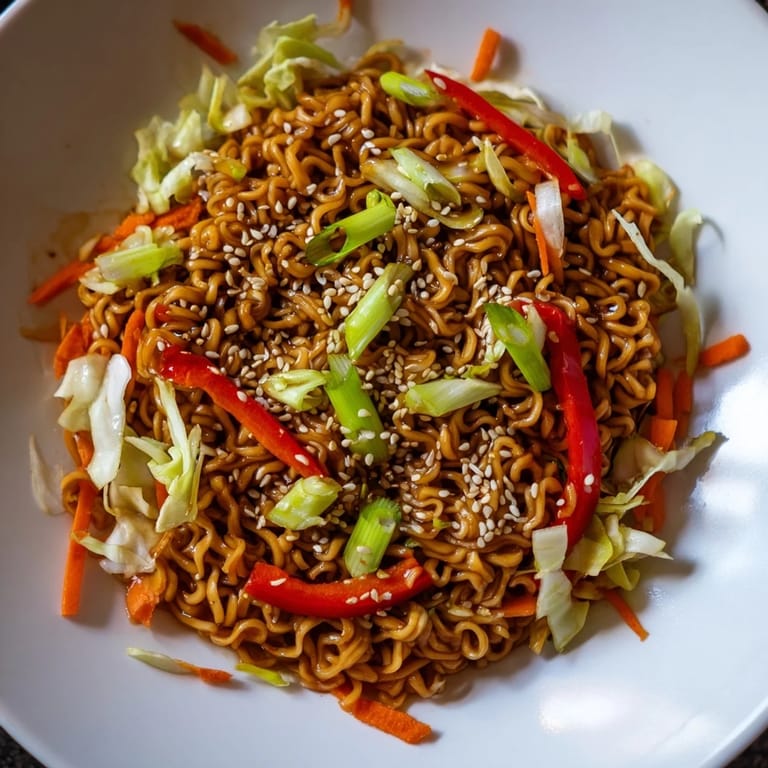
Save There was a moment while cooking this for some friends where the entire kitchen filled with that aroma of toasted sesame oil and hot garlic, and someone actually closed their eyes and said it smelled like a real restaurant. That's when I realized this wasn't just quick food anymore—it was something that made people feel cared for, even though it took less time than a phone conversation.
Why This Dish Hits Different
Instant ramen has this undeserved reputation as sad student food, but the truth is it's actually a beautifully engineered noodle with the right texture for absorbing sauce. The structure of the noodle is thin enough that the sauce clings to every surface, which is why this stir fry tastes so much better than noodles tossed with oil or butter. Once you realize you can take that cheap packet and turn it into something restaurant-quality with five minutes of sauce prep and seven minutes of cooking, ramen stops feeling like a compromise and starts feeling like strategy.
Building Flavor Layers That Actually Work
The sauce is really four different flavor directions working in conversation with each other. Soy sauce brings salt and umami, sriracha brings heat and garlic notes, oyster sauce adds savory depth, and brown sugar acts like a mediator that prevents any single flavor from dominating. This balance is why you can taste each ingredient instead of just experiencing a wall of spice. When you whisk these together before cooking, you're not just mixing ingredients—you're creating something that has thought behind it.
Small Moves That Change Everything
Timing and texture are where most people slip up with this dish. Adding vegetables when your oil is actually hot means they fry slightly instead of just steaming. Cooking the noodles one minute short means they stay firm instead of breaking apart. Using sesame oil as a finishing touch instead of a cooking oil means you actually taste it instead of burning off all its flavor. These aren't complicated techniques—they're just small choices that add up to a dish that feels intentional.
- If your sauce looks too thick after whisking, thin it out with a teaspoon of water rather than adding more soy sauce and throwing off the balance.
- Keep your vegetables roughly the same size so they cook at the same speed and you don't end up with some pieces raw and others falling apart.
- Have all your ingredients prepped and within arm's reach before you start cooking because once you begin, it moves fast and you won't want to pause mid-stir.
 Save
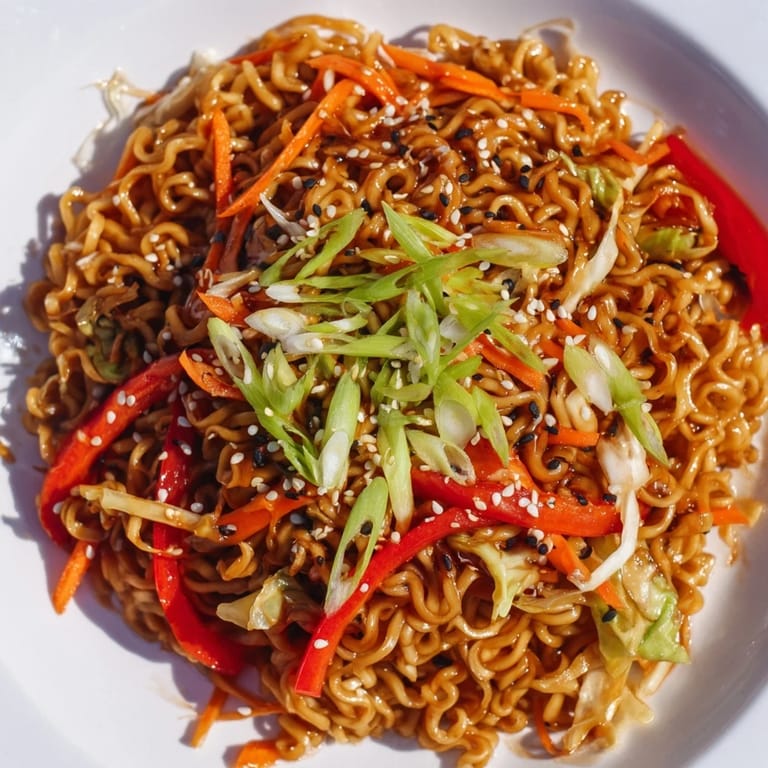
Save What I love most about this dish is that it tastes like you put real effort in, even though you're starting from a place of honest convenience. It's the kind of recipe that makes you feel capable in the kitchen, which might be the most valuable thing it offers.
Recipe FAQs
- → How can I make this dish vegan?
Replace oyster sauce with vegan oyster or hoisin sauce to keep the flavor while avoiding animal products.
- → Can I adjust the spice level?
Add or reduce sriracha and red pepper flakes to increase or mellow the heat according to your taste.
- → What noodles work best?
Instant ramen noodles offer the ideal texture, but fresh or dried Asian wheat noodles can be used as alternatives.
- → How do I keep the vegetables crisp?
Stir fry the vegetables briefly over high heat to retain crunchiness while developing flavor.
- → What protein options complement this dish?
Try adding tofu, cooked chicken, shrimp, or a soft-boiled egg for added protein and texture variety.