 Save
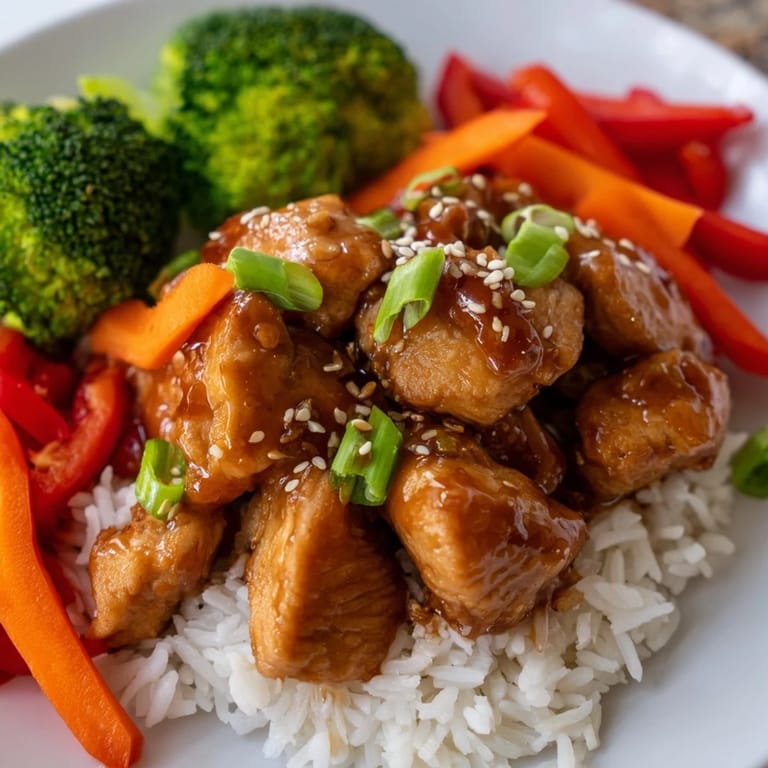
Save I discovered teriyaki chicken during a particularly hectic week when I needed something that tasted restaurant-quality but wouldn't demand hours at the stove. My coworker mentioned she'd been meal-prepping this exact dish, and the way her eyes lit up when she described the glossy sauce clinging to tender chicken convinced me to try it that same evening. The first time the sauce hit the pan and filled my kitchen with that sweet, savory aroma, I understood why she'd been raving about it.
One Sunday, I made this for my partner who'd just finished a long shift, and watching him take that first bite—then immediately ask for seconds—made me realize this wasn't just convenient, it was genuinely delicious. The rice was fluffy, the vegetables still had a slight snap to them, and the chicken was impossibly tender. That moment of someone enjoying something you've made, especially when they didn't expect much, that's what keeps me coming back to this recipe.
Ingredients
- Boneless, skinless chicken thighs (600 g): Thighs stay juicier than breast meat, and they absorb the sauce beautifully—this is the cut that makes the difference.
- Low-sodium soy sauce (80 ml): Low-sodium lets you control the salt level and prevents the sauce from becoming harshly salty as it reduces.
- Mirin (60 ml): This rice wine brings sweetness and a subtle depth that honey alone can't quite replicate; it's worth seeking out.
- Honey or maple syrup (2 tbsp): Either works, though honey dissolves more smoothly and won't affect the sauce's texture.
- Rice vinegar (1 tbsp): Just enough acidity to brighten everything without making the sauce taste tangy.
- Cornstarch (1 tbsp): This is what creates that glossy, clingy sauce that coats each piece of chicken perfectly.
- Garlic and ginger: Fresh is essential here—they add a gentle warmth that prevents the sauce from feeling one-dimensional.
- Jasmine or short-grain rice (250 g): These varieties absorb the chicken's flavors beautifully and won't fall apart under the toppings.
- Mixed vegetables (broccoli, carrots, bell pepper): The slight char or tenderness from steaming makes them taste less like an afterthought and more like part of the meal.
- Sesame seeds and spring onions: These garnishes aren't optional if you want the dish to feel finished—they add texture and a fresh note.
Tired of Takeout? 🥡
Get 10 meals you can make faster than delivery arrives. Seriously.
One email. No spam. Unsubscribe anytime.
Instructions
- Rinse and cook the rice:
- Rinsing removes excess starch, which keeps the grains from clumping together. Combine with water, bring to a boil, then cover and simmer low for 12–15 minutes until the liquid is absorbed and the rice is tender—this steady, gentle heat is what keeps each grain separate.
- Steam the vegetables:
- While rice simmers, blanch or steam your broccoli, carrots, and bell pepper for just 3–4 minutes until they're tender but still slightly firm. Overcooked vegetables turn mushy and lose their color, so watch the time closely.
- Whisk the sauce:
- In a small bowl, combine soy sauce, mirin, honey, rice vinegar, cornstarch, water, minced garlic, and grated ginger, whisking until the cornstarch dissolves completely. Any lumps will leave grainy spots in your finished sauce.
- Cook the chicken:
- Heat oil in a large skillet over medium-high heat until it shimmers slightly. Season chicken pieces generously with salt and pepper, then add them to the pan in a single layer and let them sit undisturbed for 2–3 minutes to develop color. Stir and continue cooking for another 3–4 minutes until golden all over and cooked through—cut into a thick piece if you're unsure.
- Build the sauce:
- Pour your prepared sauce over the cooked chicken and stir constantly for 2–3 minutes as it thickens into something silky and glossy that clings to each piece. You'll see it transform from liquid to glaze—that's the cornstarch doing its work.
- Assemble and store:
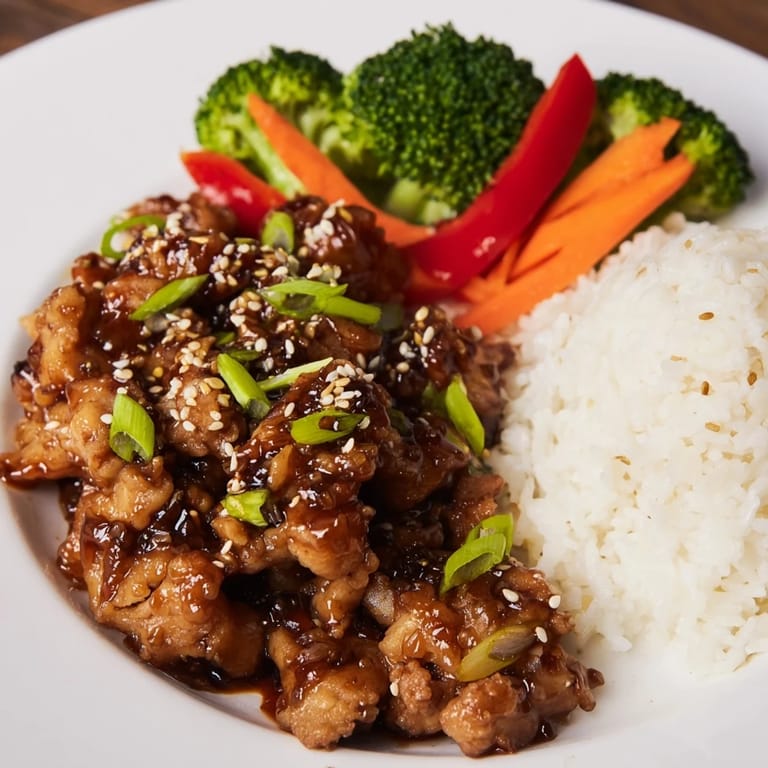
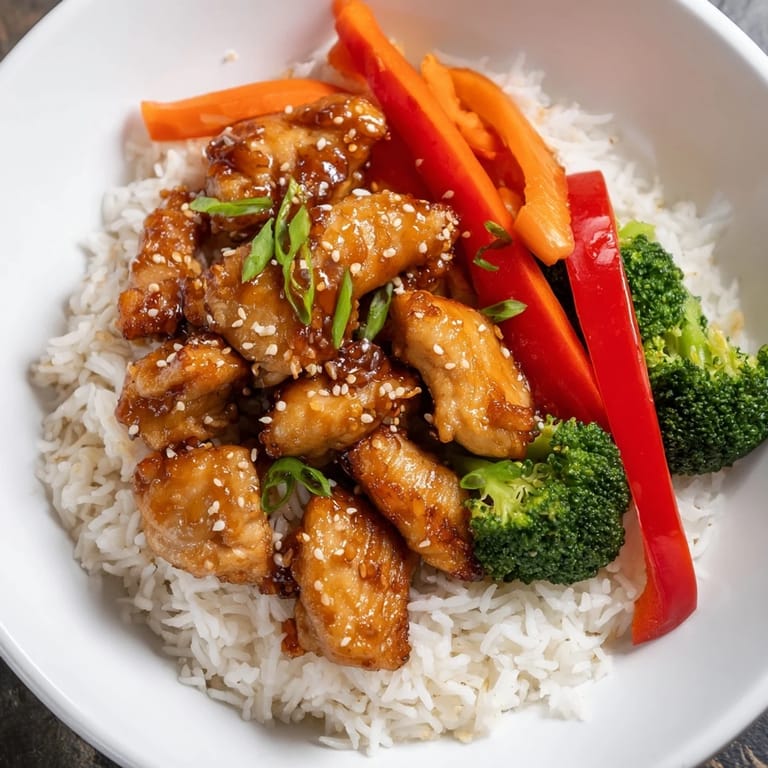
- Divide cooked rice among your meal-prep containers, top with teriyaki chicken and steamed vegetables, then sprinkle with sesame seeds and fresh spring onions. Let everything cool completely before sealing and refrigerating for up to 4 days.
 Save
Save I made a mistake once by rushing the sauce-thickening step, pouring it over the chicken and walking away to check my phone. When I looked back, it hadn't thickened at all—just pooled at the bottom of the pan like a thin broth. Learning to stay present and stir those last few minutes transformed the whole dish, turning it from something ordinary into something that felt intentional and special.
Why This Sauce Matters
The teriyaki sauce is where this meal earns its restaurant quality. Unlike bottled teriyaki, which often tastes one-dimensional and cloyingly sweet, making it fresh gives you control over every element. The balance of soy sauce's saltiness, mirin's gentle sweetness, rice vinegar's brightness, and ginger's subtle heat creates something that tastes more sophisticated than the sum of its parts.
Making This Your Own
This recipe is flexible in ways that matter. Tofu or firm tempeh work beautifully for vegetarians—they'll absorb the sauce even better than chicken. If you hate broccoli, swap in snap peas, edamame, or sliced zucchini. The beauty is that the sauce and rice provide the structure; the vegetables are just there to add color and nutrition.
Meal Prep Like You Mean It
The first time I meal-prepped this, I stacked everything in containers hot and sealed them immediately, only to open them the next day and find condensation had turned the rice into something closer to porridge. Now I let everything cool completely—usually about 15 minutes—before sealing, which preserves the texture. This small detail makes the difference between opening a container to something that looks and tastes fresh versus something that feels tired by day two.
- Divide everything into containers while still slightly warm but no longer steaming, so moisture doesn't get trapped.
- Pack in layers: rice on the bottom, chicken and vegetables on top, garnishes added just before eating so they stay crisp.
- Keep the sesame seeds and spring onions separate if you're storing for more than two days, adding them only when you're ready to eat.
 Save
Save This recipe became my answer to the question I ask myself almost every weeknight: what's something that tastes good, feels nourishing, and doesn't require me to be exhausted by the time I eat it? That's the real magic here.
Recipe FAQs
- → How do I cook the rice perfectly?
Rinse the rice until water runs clear, then simmer in water covered for 12-15 minutes. Let it rest covered for 5 minutes off heat to finish steaming.
- → Can I use chicken breast instead of thighs?
Yes, chicken breast works well but monitor cooking time to avoid dryness, as thighs stay juicier during cooking.
- → What vegetables pair best with this dish?
Broccoli, carrots, and red bell peppers offer freshness and crunch that balance the rich glaze and rice perfectly.
- → How can I thicken the teriyaki sauce?
Use a cornstarch slurry made from equal parts cornstarch and water, added towards the end of cooking to gently thicken the sauce.
- → Is this dish suitable for meal prepping?
Absolutely, it stores well in containers and flavors improve after resting, making it convenient for busy days.
- → Can I make this gluten-free?
Yes, substitute regular soy sauce with tamari or a gluten-free alternative to keep the dish safe for gluten sensitivity.