 Save
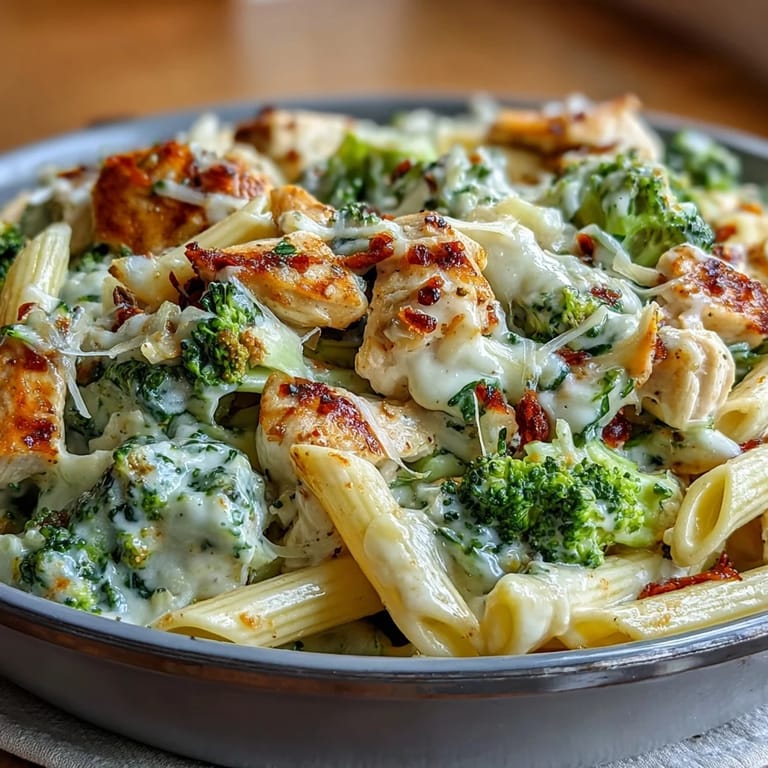
Save There's something about the way garlic hits hot oil that makes you stop whatever you're doing and pay attention. I discovered this pasta one weeknight when I was tired of the usual rotation and had cream in the fridge that needed using. The chicken cooks right in the same pan, the pasta finishes in broth instead of a separate pot, and somehow everything comes together into this silky, garlicky thing that tastes like you actually planned it. No separate sauces, no complicated timing—just one skillet doing all the work while you lean against the counter with a glass of wine.
I made this for my sister on a random Tuesday, and she texted me the recipe request before she even finished eating. That's when I knew it was the kind of dish that feels special enough to serve to people you actually care about, but easy enough that you're not stressed in the kitchen. She's since made it for her own dinner parties, and I like to think that's the highest compliment a recipe can get.
Ingredients
- Boneless, skinless chicken breasts: Diced into bite-sized pieces so they cook quickly and distribute throughout the pasta without dominating any single forkful.
- Broccoli florets: Cut them roughly the same size as your pasta pieces—they'll turn that perfect bright green and stay tender without falling apart.
- Garlic, minced: Use fresh if you possibly can; it's the soul of this dish and makes a real difference in the final taste.
- Yellow onion: Finely chopped so it nearly dissolves into the sauce and adds subtle sweetness without texture interruption.
- Short pasta: Penne, fusilli, or rotini all work beautifully because they trap sauce in their crevices and cook evenly in the broth.
- Whole milk and heavy cream: The cream gives richness, but the milk keeps it from becoming too heavy—it's a balance thing.
- Parmesan cheese: Freshly grated if you have time; the pre-grated stuff has anti-caking agents that sometimes make the sauce gritty.
- Butter and olive oil: The butter adds that restaurant-quality richness, while the oil helps with the initial searing.
- Low-sodium chicken broth: This is your cooking liquid for the pasta, so it flavors everything—don't skip quality here.
- Italian herbs: Dried is fine; fresh would be lovely but isn't essential.
Tired of Takeout? 🥡
Get 10 meals you can make faster than delivery arrives. Seriously.
One email. No spam. Unsubscribe anytime.
Instructions
- Sear the chicken in butter and oil:
- Heat a large deep skillet over medium heat with the butter and olive oil until you see a shimmer. Add diced chicken, season with salt and pepper, and let it sit for a minute before stirring—this golden crust is where flavor lives. Cook for 5 to 6 minutes until the edges are light brown and it's cooked through, then move it to a clean plate.
- Build the aromatic base:
- In the same skillet, add chopped onion and cook until it turns translucent and soft, about 2 minutes. Add minced garlic and let it get fragrant for just 30 seconds—don't let it brown or it'll taste bitter.
- Toast the pasta briefly:
- Stir in the uncooked pasta and let it sit in contact with the hot pan for a minute or two, which adds a subtle toasted note. This step is optional but makes a real difference in depth of flavor.
- Add broth and milk, then simmer:
- Pour in the chicken broth, milk, and Italian herbs, and bring everything to a boil. Once it bubbles, reduce the heat to medium-low, cover the skillet, and let it simmer for 8 minutes, stirring occasionally so nothing sticks to the bottom. The pasta will start absorbing all that savory liquid.
- Add broccoli and finish the pasta:
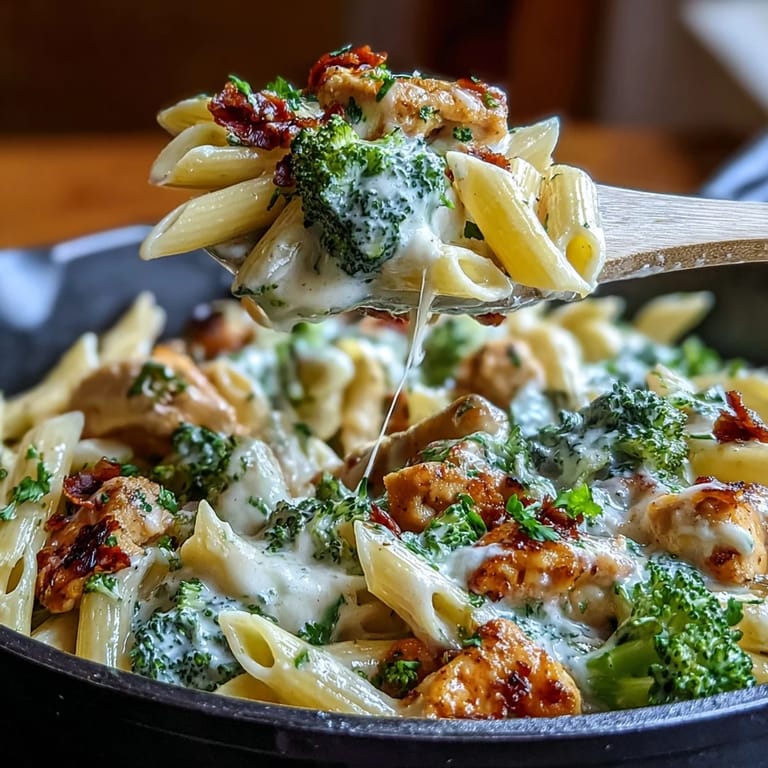
- Scatter the broccoli florets across the top, cover again, and cook for another 5 to 6 minutes. The pasta should be just al dente and the broccoli should be that beautiful bright green that means it's tender but not mushy.
- Create the creamy finish:
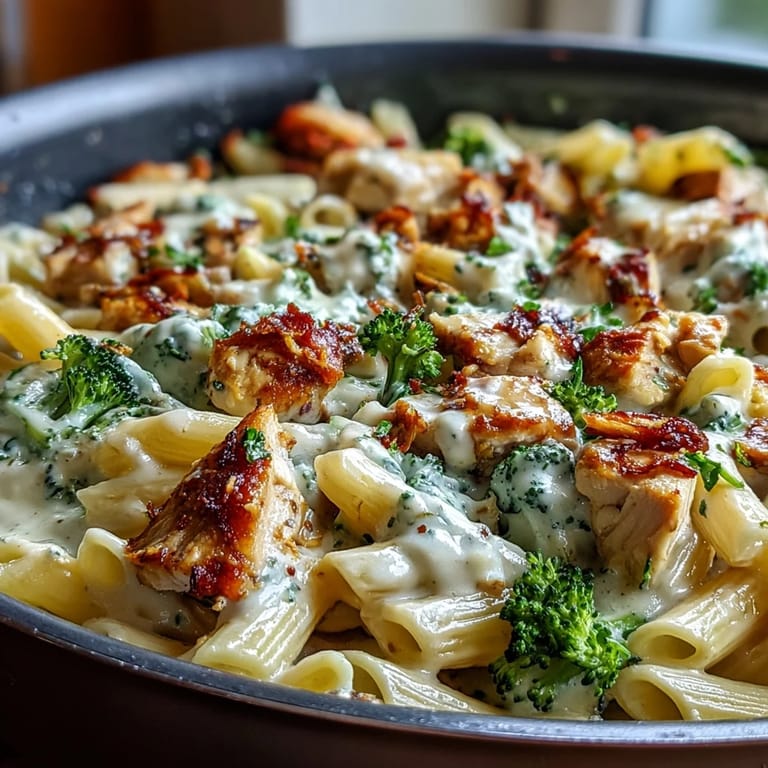
- Lower the heat to low, pour in the heavy cream, and sprinkle the Parmesan cheese over everything. Stir gently until the cheese melts into a silky sauce, which takes about a minute. Return the cooked chicken to the skillet, stir everything together, and let it warm through for 2 more minutes.
- Taste and adjust:
- Taste a bite, and add more salt and pepper if it needs it—remember the Parmesan is salty, so go easy. This is your moment to make it exactly the way you like it.
 Save
Save My friend brought her eight-year-old over for dinner once, and he actually asked for seconds—which in kid language basically means you've made something transcendent. There's real power in a dish that brings people to the table without fuss, where the cooking is simple enough that you're not frazzled but the result tastes like you cared.
Swaps and Variations That Actually Work
This recipe is flexible in a way that doesn't compromise the final dish. Rotisserie chicken is a legitimate shortcut that cuts your active time in half—just shred it and stir it in at the end without the initial searing step. Spinach wilts beautifully into this sauce if broccoli isn't your thing, or you can do half and half. Frozen broccoli works fine if fresh isn't available, though fresh really does have a better texture.
The Wine Pairing and Why It Matters
A crisp white wine like Pinot Grigio or a dry Albariño isn't just a nice idea—it actually cuts through the richness of the cream and makes each bite feel lighter. I learned this by accident when I grabbed whatever was open, and it completely changed how the dish sat on my palate. The acidity wakes up your mouth between bites, so you taste the garlic and Parmesan more distinctly instead of just experiencing creaminess.
Storage, Leftovers, and Make-Ahead Tips
This pasta is best eaten fresh, while the broccoli still has that tender-crisp bite, but leftovers reheat reasonably well. Store it in an airtight container in the fridge for up to 3 days, and when you're ready to eat it again, warm it gently in a skillet over low heat with a splash of milk to loosen the sauce. You can also prepare all your ingredients in advance—dice the chicken, mince the garlic, chop the broccoli—and have everything ready to go, which makes weeknight cooking feel almost meditative.
- Keep grated Parmesan separate if you're storing leftovers, and add fresh cheese when you reheat instead of relying on what's already in the dish.
- If the reheated pasta seems too thick, a little milk or broth will bring the sauce back to that creamy consistency.
- This isn't a freeze-well recipe because the texture of the broccoli suffers, so think of it as a three-day eat-it-fresh kind of situation.
 Save
Save This is the kind of recipe that makes you feel capable in the kitchen, like you actually know what you're doing. Every time you make it, you'll find a small way to make it more yours.
Recipe FAQs
- → What type of pasta works best for this dish?
Short pasta shapes like penne, fusilli, or rotini hold the sauce well and cook evenly in the skillet.
- → Can I use pre-cooked chicken instead of raw chicken breasts?
Yes, using rotisserie or pre-cooked chicken speeds up the cooking process without sacrificing flavor.
- → How do I know when the broccoli is perfectly cooked?
The broccoli should be bright green and tender but still slightly crisp after cooking 5-6 minutes covered.
- → What can I substitute for heavy cream if needed?
Whole milk or half-and-half can be used but may result in a lighter, less creamy texture.
- → Are there suggested herbs to complement the flavors?
Dried Italian herbs work well, and fresh parsley is perfect for garnish to add freshness.