 Save
Save My neighbor brought over a small packet of hojicha tea one autumn afternoon, and I found myself staring at it for weeks wondering what to do with something so earthy and roasted. Then it hit me—why not push it into something indulgent, something creamy and rich that would let that toasted tea flavor shine without being obvious about it? This cheesecake became my answer, and now whenever someone asks what makes it different from the usual version, I just smile and let them taste the subtle warmth hiding beneath all that elegance.
I made this for my book club on a rainy evening, and one of my friends actually closed her eyes after the first bite—not in that performative way, but genuinely lost in thought. She asked if I'd used some kind of caramel, and when I explained it was roasted tea, she immediately asked for the recipe and the name of my tea supplier. That moment taught me that unexpected flavors, the ones that don't announce themselves loudly, sometimes hit deeper.
Ingredients
- Graham cracker crumbs: The buttery foundation that holds everything together; I've learned to pulse them in a food processor so they're uniform rather than chunky, which helps them compress evenly.
- Unsalted butter: Melted and warm when you mix it in, it binds the crumbs into something that feels almost like wet sand.
- Granulated sugar: A small amount here keeps the crust from being too savory, creating better balance with the creamy filling.
- Hojicha loose leaf tea: The star ingredient with its roasted, almost coffee-like depth; loose leaf steeps more cleanly than bags, though bags work if that's what you have on hand.
- Heavy cream: Infused with the tea to create a concentrated hojicha essence that swirls through the filling without making it watery.
- Cream cheese: Room temperature is non-negotiable here, or you'll end up with lumps no amount of beating will fix, and the texture suffers.
- Sour cream: Adds a subtle tang that prevents the cheesecake from feeling one-dimensional and too sweet.
- Eggs: Added one at a time so they incorporate smoothly and create a tender crumb structure.
- Vanilla extract: A whisper of vanilla in the background, never competing with the hojicha flavor.
- All-purpose flour: Just a tablespoon to stabilize the filling and prevent cracking during baking.
Tired of Takeout? 🥡
Get 10 meals you can make faster than delivery arrives. Seriously.
One email. No spam. Unsubscribe anytime.
Instructions
- Preheat and prep:
- Heat your oven to 160°C (325°F) and line your springform pan with parchment paper on the bottom so the cheesecake releases cleanly later. This temperature is gentler than you might expect, but that's intentional—slow heat means a creamy interior without cracks.
- Build the crust:
- Combine your graham cracker crumbs with melted butter, sugar, and salt in a bowl until the mixture looks like damp sand. Press it firmly into the pan—I use the bottom of a measuring cup to get it even and tight—then bake for 10 minutes until it smells toasted and looks slightly darker, then let it cool completely.
- Steep the hojicha:
- Heat your heavy cream until small wisps of steam rise from the surface, then pour it over your hojicha tea and cover it immediately to trap all that roasted aroma inside. After 10 minutes, strain it carefully and let it cool to room temperature so it doesn't scramble the eggs when you mix it in later.
- Blend the filling:
- Beat your softened cream cheese until it's completely smooth with no lumps, then add sugar and mix until they're integrated. Add your eggs one at a time, beating gently after each one, then fold in the sour cream, vanilla, and flour until everything just comes together—overbeating here introduces air bubbles that create cracks.
- Create the swirl:
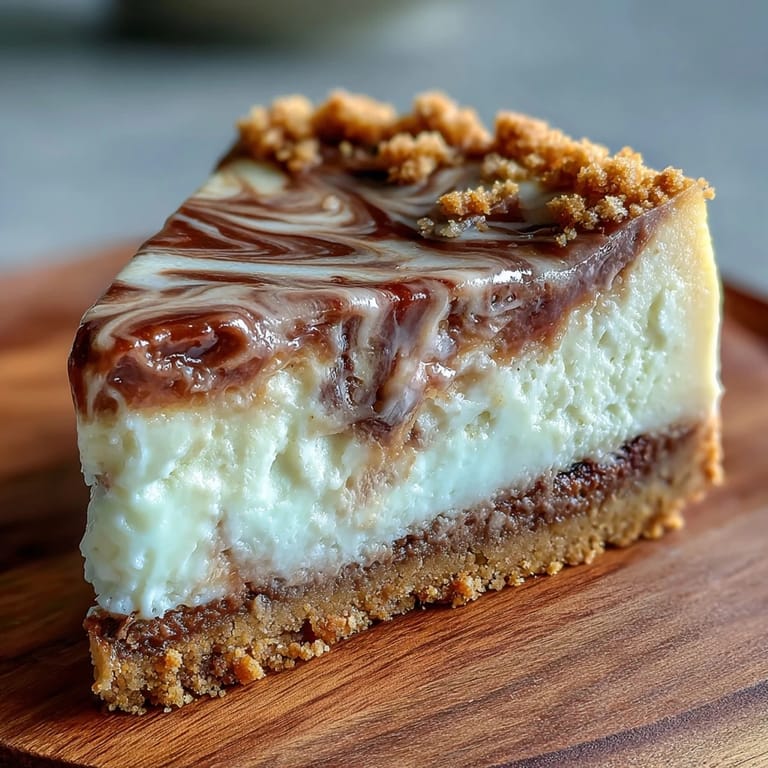
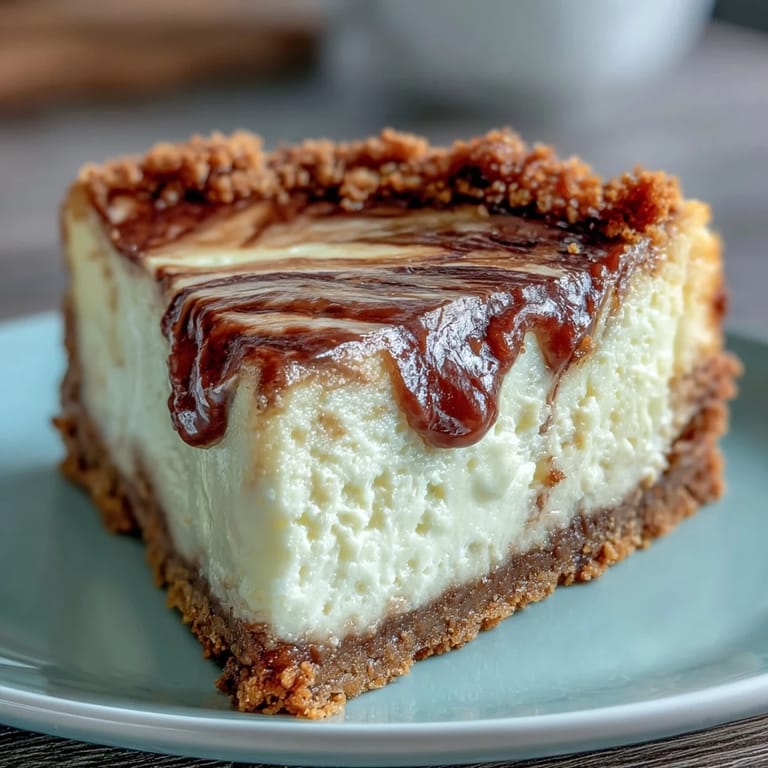
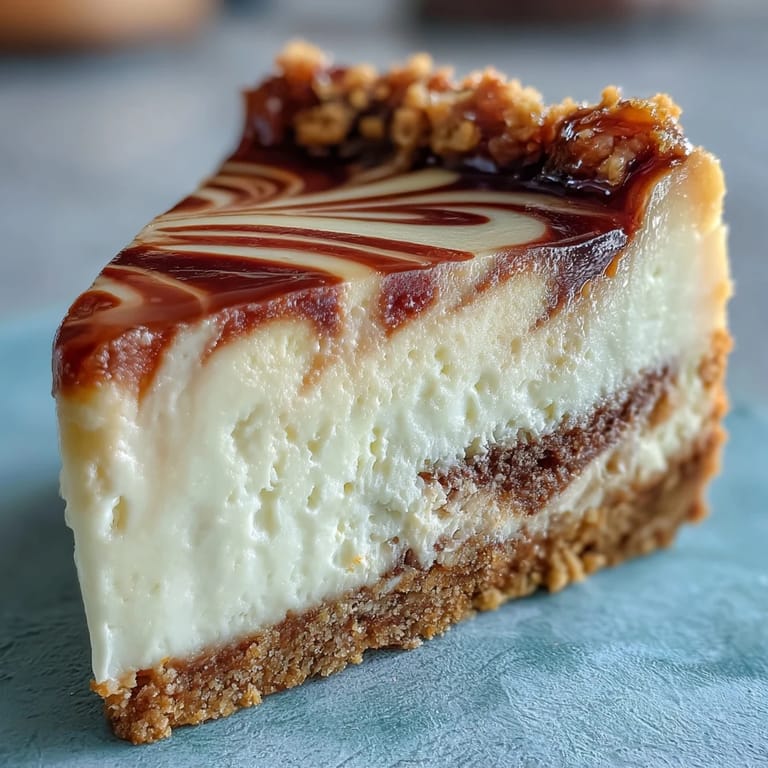
- Separate about a third of your plain batter into another bowl, pour in your cooled hojicha cream, and stir until the color is even and rich. Pour the remaining plain batter over your cooled crust, then drop spoonfuls of the hojicha mixture across the top and use a skewer or thin knife to gently drag through it in whatever pattern feels right to you.
- Bake gently:
- Set the pan on a baking tray (this helps heat distribute evenly) and bake for 40 to 45 minutes—you're looking for edges that look set and firm but a center that still jiggles slightly when you gently shake the pan. This little jiggle means the residual heat will finish cooking it perfectly.
- Cool slowly:
- Turn off the oven, crack the door open just a few inches, and let the cheesecake sit inside for a full hour while everything contracts gently and stress-free. This method has saved me from the sudden temperature shock that causes cracks.
- Chill thoroughly:
- Remove it to the counter to cool all the way to room temperature, then cover it loosely and refrigerate for at least 5 hours or overnight before you cut into it. This resting period lets the flavors settle and become more cohesive.
 Save
Save There's a moment right before you serve this when the hojicha swirl catches the light and you see the marbled pattern you created yourself, and it genuinely feels like you've accomplished something beautiful. That quiet pride in making something this delicious from simple ingredients never gets old.
The Magic of Hojicha
Hojicha is roasted green tea, which means it has this warm, almost nutty depth that regular green tea simply doesn't have. Most people who claim not to like tea actually love hojicha once they taste it, because the roasting removes the grassy astringency and leaves behind something that tastes almost like toasted grain. In this cheesecake, that quality pairs beautifully with the richness of cream cheese because the flavors don't compete—they support each other in unexpected ways.
Troubleshooting Cracks
Cheesecake cracks happen most often because the filling goes from hot to cold too quickly, so the slow cooling method in this recipe really matters. If you've had trouble before, this low oven temperature combined with the gradual cooling inside the turned-off oven is genuinely your solution. The cracks are just cosmetic if they happen, but preventing them feels more satisfying.
Serving and Storage
Slice this with a hot, wet knife that you wipe clean between cuts—it keeps the edges clean and sharp instead of dragging the filling. This cheesecake keeps beautifully in the refrigerator for up to five days, covered loosely, and it actually tastes even better the next day once the flavors have melded more completely together.
- Dust the top with a tiny bit of hojicha powder right before serving for a whisper of extra tea flavor and visual appeal.
- A small dollop of unsweetened whipped cream on the side lets people balance the richness if they want to.
- Serve it slightly cold, not straight from the fridge, so the hojicha flavor comes through more clearly.
 Save
Save This cheesecake has quietly become the dessert I make when I want to impress someone without making a big fuss about it. It's the kind of dish that makes people pause mid-conversation and ask what they're tasting, which feels like the highest compliment a dessert can receive.
Recipe FAQs
- → What makes hojicha different from other green teas?
Hojicha is roasted Japanese green tea that has a distinct reddish-brown color and earthy, nutty flavor profile. The roasting process reduces bitterness and caffeine while creating warm toasty notes that pair beautifully with creamy desserts like cheesecake.
- → Can I use hojicha powder instead of loose leaf tea?
Yes, hojicha powder works well and provides a more intense flavor. Use approximately 1 tablespoon of powder, steeping it in the heated cream. The powder may create a darker swirl and stronger tea presence in the final dessert.
- → Why does my cheesecake crack during baking?
Cracks typically occur from overbaking or rapid temperature changes. To prevent this, bake until edges are set but the center remains slightly jiggly, then cool gradually in the oven with the door cracked open before refrigerating.
- → How long should I chill the cheesecake before serving?
Refrigerate for at least 5 hours, though overnight chilling is ideal. This allows the flavors to meld and the texture to become properly firm and creamy. The cheesecake will continue to improve in flavor over the first 24 hours.
- → What substitutions can I make for the crust?
Digestive biscuits work well as a British alternative to graham crackers. For a gluten-free version, use gluten-free graham-style crumbs or crushed nut cookies mixed with melted butter and a touch of sugar.
- → How do I achieve the perfect marble swirl?
Drop spoonfuls of hojicha batter randomly over the plain batter, then use a skewer, knife, or chopstick to gently swirl through both layers. Make just 2-3 passes—over-swirling will blend the batters together rather than creating distinct marble patterns.