 Save
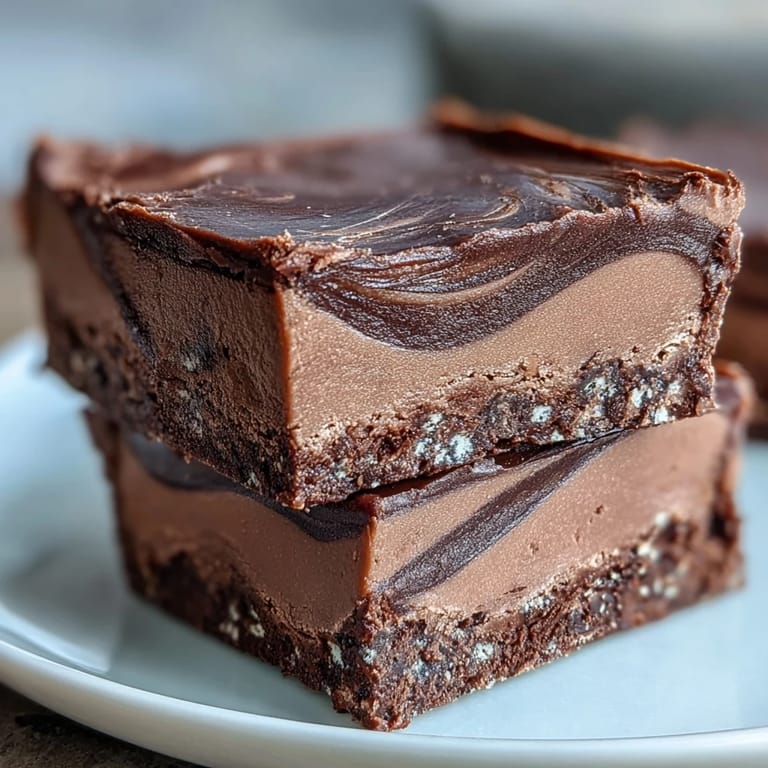
Save My first encounter with hojicha fudge happened on a rainy afternoon in a tiny tea shop tucked away in Kyoto, where the owner insisted I try something beyond the usual matcha offerings. That earthy, toasted aroma hit me before the fudge even touched my tongue, and I remember thinking how something so dark and intense could taste almost comforting, like autumn wrapped in chocolate. Years later, I finally cracked the code in my own kitchen, and now this is the recipe I make whenever I want to impress someone with something that feels both exotic and utterly approachable.
I made a batch of this for my book club a few months back, not thinking much of it until one member came back the next week asking for the recipe because she'd already made three more batches for her family. That moment sealed it for me—this fudge has this quiet magic where people don't just enjoy it, they want to make it themselves and share it with others.
Ingredients
- Dark chocolate (200 g, 60–70% cacao), chopped: This is where the richness comes from, so don't skimp on quality—grab something you'd actually eat on its own, not baking chocolate that tastes like cardboard.
- Milk chocolate (100 g), chopped: It softens the intensity just enough to make the fudge approachable without losing that sophisticated edge.
- Unsalted butter (100 g), cut into pieces: The small pieces melt faster and distribute more evenly, giving you that silky texture.
- Sweetened condensed milk (1 can, 397 g): This is the secret weapon that makes the fudge dense and fudgy instead of grainy or crumbly.
- Hojicha powder (2 tbsp): This roasted green tea is the star—look for it in Japanese markets or order online, and avoid substituting with matcha because the flavor profile is completely different.
- Vanilla extract (1 tsp): Just a whisper to deepen the chocolate without announcing itself.
- Salt (a pinch): Brings out every flavor note and prevents the fudge from tasting one-dimensional.
Tired of Takeout? 🥡
Get 10 meals you can make faster than delivery arrives. Seriously.
One email. No spam. Unsubscribe anytime.
Instructions
- Prep your pan like you mean it:
- Line a 20 x 20 cm square pan with parchment paper, letting it overhang on two sides so you can lift the whole slab out later without struggling. This small step saves you from scraping fudge fragments off the pan for the next week.
- Build your chocolate base:
- Combine the chopped dark chocolate, milk chocolate, and butter in a heatproof bowl and set it over a saucepan of barely simmering water, making sure the bowl doesn't touch the water. Stir gently and let the heat do the work—rushing this or cranking up the temperature will make your chocolate seize up and turn grainy.
- Stir until silk-smooth:
- Keep stirring until there are no chocolate lumps and everything moves like melted silk. This takes maybe 5 minutes if you're patient and the water isn't boiling aggressively underneath.
- Wake up the flavors:
- Remove the bowl from heat and pour in the condensed milk, then add the hojicha powder, vanilla, and salt all at once. Stir slowly and deliberately, making sure every speck of hojicha powder dissolves completely—this prevents gritty spots in your finished fudge.
- Pour and smooth:
- Transfer the mixture to your prepared pan and use a spatula to smooth the top so it's level and even. Don't overthink this; fudge is forgiving.
- Patience is everything:
- Refrigerate for at least 2 hours until the fudge is completely set and firm to the touch. Trying to cut it too early will result in a beautiful mess, so use this time to make tea or do something else.
- Cut into treasures:
- Use the parchment overhang to lift the entire fudge slab out of the pan, then use a sharp knife to cut it into 16 squares. A hot, damp knife helps make clean cuts—just wipe it between each slice.
- Store like gold:
- Keep the fudge in an airtight container in the refrigerator for up to a week, or you can freeze it for longer if you somehow manage not to eat it all immediately.
 Save
Save There's something about making hojicha fudge that transforms it from just another chocolate dessert into a moment of intentionality. My daughter recently watched me make this, and she asked why I was being so careful with the stirring and the temperature, and I realized I was slowing down on purpose—not because the fudge demanded it, but because the whole process felt meditative in a way that grabbing store-bought candy never does.
Elevating Your Batch
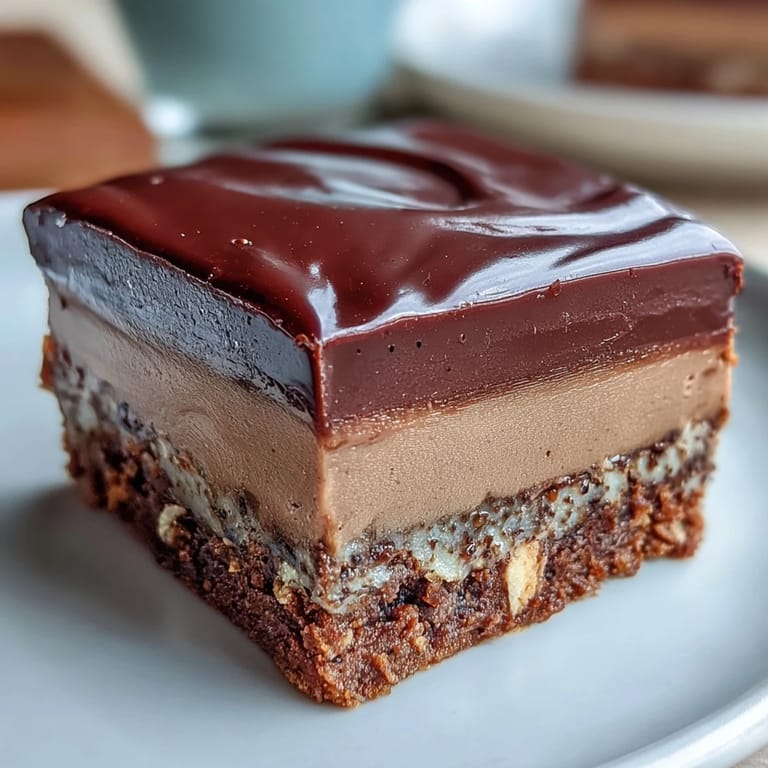
If you want to experiment beyond the basic recipe, consider adding textures and layers that complement the hojicha's earthiness. Toasted chopped walnuts or almonds folded in before pouring create little pockets of crunch that contrast beautifully with the smooth fudge. You can also sprinkle a tiny pinch of fleur de sel on top right after pouring if you want to highlight the sweet-salty balance, or dust the finished squares with a whisper of hojicha powder for visual depth.
Pairing and Serving
This fudge isn't meant to be wolfed down solo, though I won't judge if you sneak bites straight from the container. It's genuinely beautiful with a cup of hot unsweetened green tea, where the two flavors echo each other without competing. For something more unexpected, try it with a light dessert wine or even a gentle coffee—the roasted tea flavor plays well with other toasted notes, and suddenly you've got a sophisticated little moment on your hands.
Making It Your Own
The beauty of this recipe is how forgiving it is once you understand the basic formula. I've experimented with adjusting the dark-to-milk chocolate ratio depending on what I have on hand, and the fudge always comes out beautifully as long as you keep the total chocolate weight around 300 g. Some batches I make it more intensely hojicha-forward by using 2.5 tablespoons of powder instead of 2, and other times I keep it subtle for people who find the roasted tea flavor too unfamiliar at first.
- Try swapping half the condensed milk with coconut cream for a different richness if you're experimenting with flavor profiles.
- Make double batches and freeze extras in parchment-separated layers so you always have homemade fudge ready when someone deserves treating.
- If you can't find hojicha powder, visit an actual tea shop instead of ordering online—they'll often let you smell different grades and can guide you toward quality.
 Save
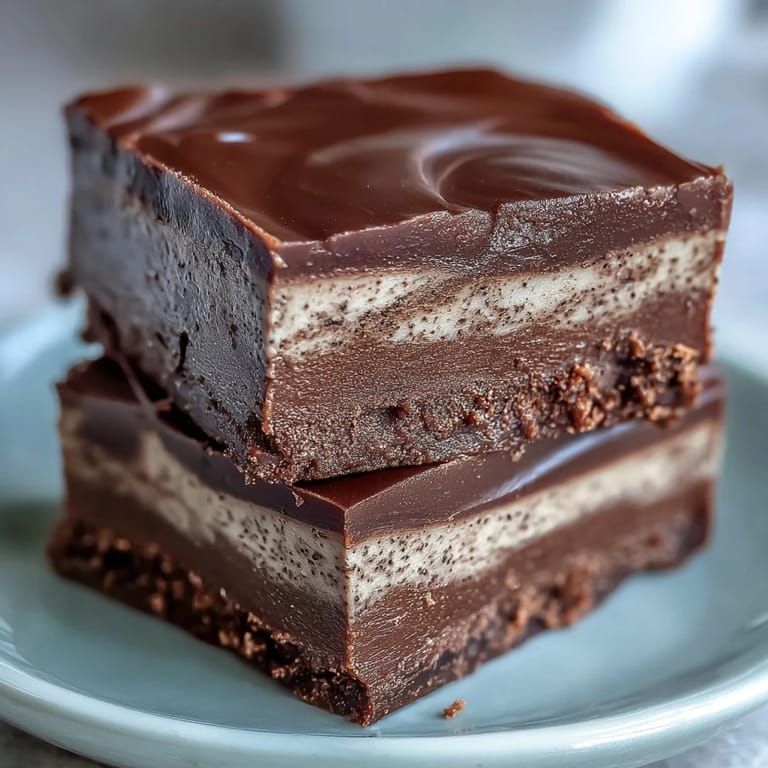
Save This fudge has become my answer to the question, What can I bring that feels special? because it tastes like you've shared a tiny piece of Japanese kitchen wisdom with someone you care about. Every time someone bites into it and pauses, tasting that complex interplay of chocolate and roasted tea, I remember why I started making it in the first place.
Recipe FAQs
- → What does hojicha taste like in fudge?
Hojicha imparts a warm, roasted flavor with subtle nutty and caramel notes. Unlike matcha's grassiness, hojicha adds a mellow, toasty dimension that pairs beautifully with rich chocolate.
- → Can I substitute hojicha with other tea powders?
While you could experiment with other roasted teas, hojicha's specific flavor profile is carefully balanced in this formula. Matcha would create a completely different taste—bright and grassy rather than warm and roasted.
- → How long does the fudge need to set?
The fudge requires at least two hours in the refrigerator to firm completely. For cleanest cutting results, you can let it set overnight, though the minimum chilling time ensures proper texture.
- → Why use both dark and milk chocolate?
The combination creates balanced richness—dark chocolate provides depth and intensity while milk chocolate contributes creaminess. This blend prevents the fudge from becoming overly bitter or cloyingly sweet.
- → Can I make this fudge without a double boiler?
You can melt the chocolate in short bursts in the microwave, stirring every 20 seconds. However, the double boiler method provides more control and reduces the risk of scorching the delicate chocolate.
- → How should I store the finished fudge?
Keep the squares in an airtight container in the refrigerator, where they will maintain perfect texture for up to one week. The chilled fudge can be served cold or allowed to soften briefly at room temperature before enjoying.