 Save
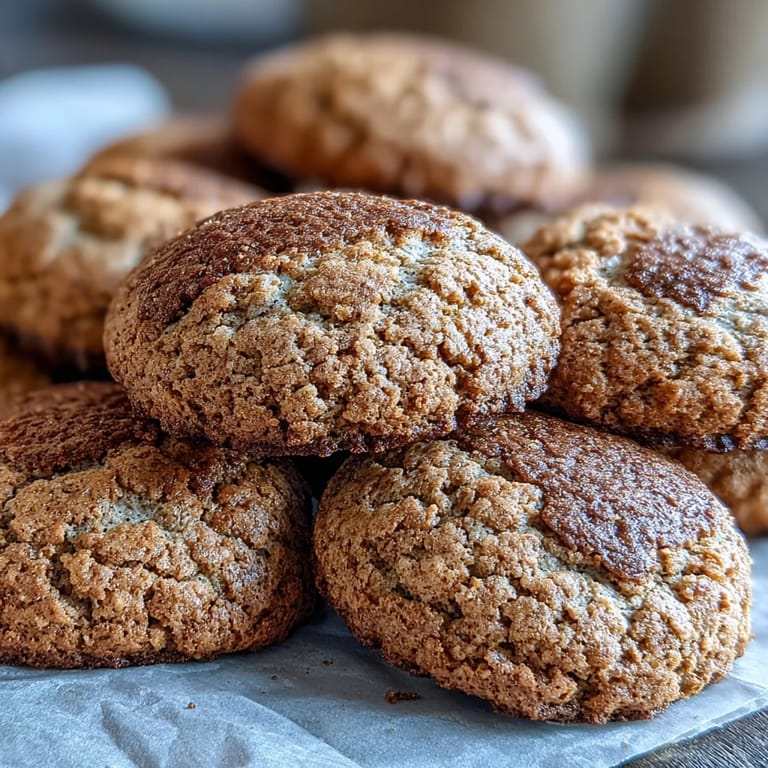
Save I discovered hojicha cookies by accident, honestly—I was browsing a Tokyo café's pastry case when the baker mentioned they'd started experimenting with roasted tea in their butter cookies. The moment I bit into one, that warm, toasty flavor hit differently than anything I'd baked before, and I became slightly obsessed with recreating them at home. What started as a weekend kitchen experiment turned into these delicate little rounds that somehow taste both familiar and completely unexpected.
My neighbor came by one evening right as I pulled these from the oven, and the smell—this warm, toasty, almost caramel-like aroma—drew her into the kitchen before she even took off her jacket. She sat at the counter with a cooling cookie and a cup of green tea, and we talked for an hour about flavors and textures and how sometimes the smallest additions change everything. That's when I knew these weren't just cookies; they were something that brought people together in a quiet, unrushed way.
Ingredients
- All-purpose flour (1 1/2 cups or 190 g): The foundation that keeps these cookies tender and delicate—measuring by weight gives you the most consistent results, though spooning and leveling works fine too.
- Hojicha powder (2 tbsp): This roasted green tea powder is the star; look for it in Japanese markets or online, and avoid the bright green matcha since it tastes completely different.
- Baking soda (1/2 tsp): Just enough to help the cookies spread slightly and develop those golden edges while keeping the center soft.
- Fine sea salt (1/4 tsp): This small amount awakens the hojicha flavor and balances the sweetness in a way that feels natural.
- Unsalted butter (1/2 cup or 115 g), softened: Room-temperature butter is non-negotiable here—it creams properly and creates that light, tender crumb.
- Granulated sugar (3/4 cup or 150 g): This amount gives sweetness without overpowering the subtle tea flavor, and it helps achieve that slightly crisp edge.
- Large egg (1): The binder that holds everything together while adding moisture and richness.
- Pure vanilla extract (1 tsp): Choose real vanilla, not imitation—it complements the hojicha without competing with it.
Tired of Takeout? 🥡
Get 10 meals you can make faster than delivery arrives. Seriously.
One email. No spam. Unsubscribe anytime.
Instructions
- Set the stage:
- Preheat your oven to 350°F (175°C) and line a baking sheet with parchment paper—this small step prevents sticking and ensures even browning.
- Mix the dry foundation:
- In a medium bowl, whisk together the flour, hojicha powder, baking soda, and salt until they're evenly distributed and the hojicha has no lumps. This step prevents streaky flavoring in your final cookies.
- Cream the butter and sugar:
- Beat your softened butter and sugar together for 2–3 minutes until the mixture turns pale and fluffy—this incorporates air that makes the cookies tender. You'll know it's ready when it looks almost cloud-like.
- Bring it together:
- Add the egg and vanilla extract to the butter mixture and beat until everything is well combined and smooth. The mixture should look slightly glossy at this point.
- Combine gently:
- Gradually add the dry ingredients to the wet mixture, stirring just until you don't see streaks of flour—overmixing develops gluten and makes cookies tough. This is where patience matters.
- Shape and space:
- Using a tablespoon or cookie scoop, portion the dough onto your prepared baking sheet, leaving about 2 inches between each cookie since they'll spread slightly as they bake.
- Bake to golden:
- Bake for 10–12 minutes until the edges are lightly golden but the centers still look slightly underdone—they'll continue cooking as they cool. Every oven is different, so start checking around the 10-minute mark.
- Cool with intention:
- Let the cookies rest on the baking sheet for 5 minutes so they set slightly, then transfer them to a wire rack to cool completely. This prevents them from breaking apart.
 Save
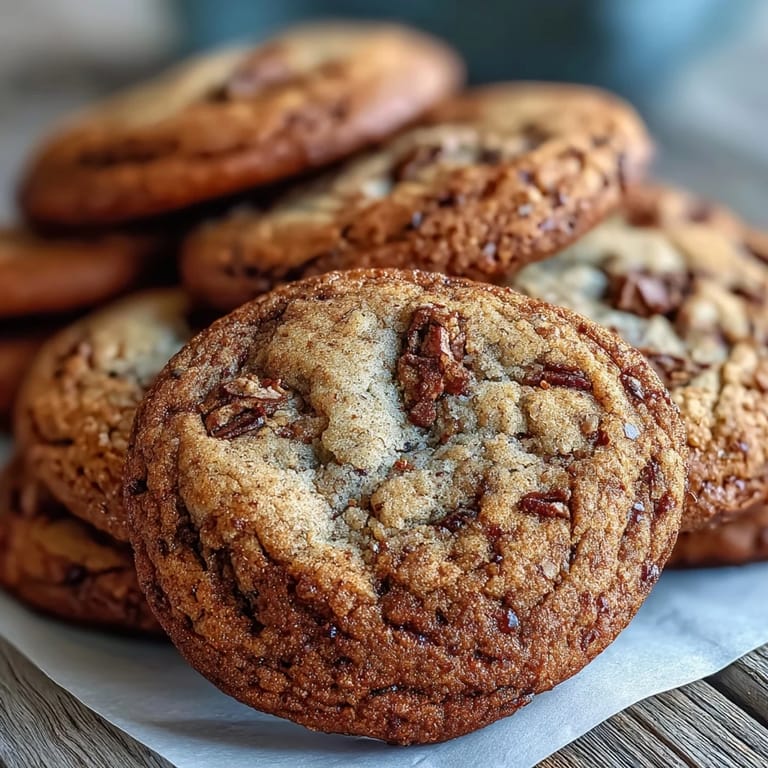
Save There's something magical about serving these cookies to someone who's never heard of hojicha before—watching their expression shift from curiosity to realization to delight. For me, baking these has become less about following instructions and more about creating a moment where someone discovers a flavor they didn't know they needed.
Deepening the Hojicha Flavor
If you find yourself wanting more of that toasty, almost smoky depth, the simplest adjustment is increasing the hojicha powder up to 3 tablespoons—the cookies will darken slightly and the flavor becomes more pronounced. I learned this the hard way after my first batch felt too subtle, so I played around until I found my sweet spot. The thing about hojicha is that a little goes a long way, and it intensifies during baking, so incremental increases work better than doubling it all at once.
Adding Texture and Dimension
While these cookies are beautiful on their own, I've had wonderful results folding in white chocolate chips or finely chopped pistachios after creaming the butter and sugar but before adding the dry ingredients. The white chocolate adds a subtle sweetness that plays well against the roasted tea, while nuts bring a crunchy contrast that keeps things interesting. One evening I added both toasted sesame seeds and white chocolate chips—a choice that made these cookies feel like something entirely new.
Storage and Keeping Quality
These cookies stay fresh at room temperature in an airtight container for up to 4 days, though I've never had any last that long because they're too easy to sneak into your mouth when you pass by the kitchen. If you want to bake ahead, the dough freezes beautifully for up to 3 weeks—just thaw it slightly before scooping and baking. One practical trick I've picked up: store them with a small piece of parchment paper between each layer so they don't stick together.
- An airtight glass container keeps them fresher longer than plastic, and you can actually see when you're running low.
- If they do dry out, a few seconds in the microwave returns them to that just-baked tenderness.
- These cookies make excellent gifts when packaged in small paper bags tied with twine—they feel special and homemade.
 Save
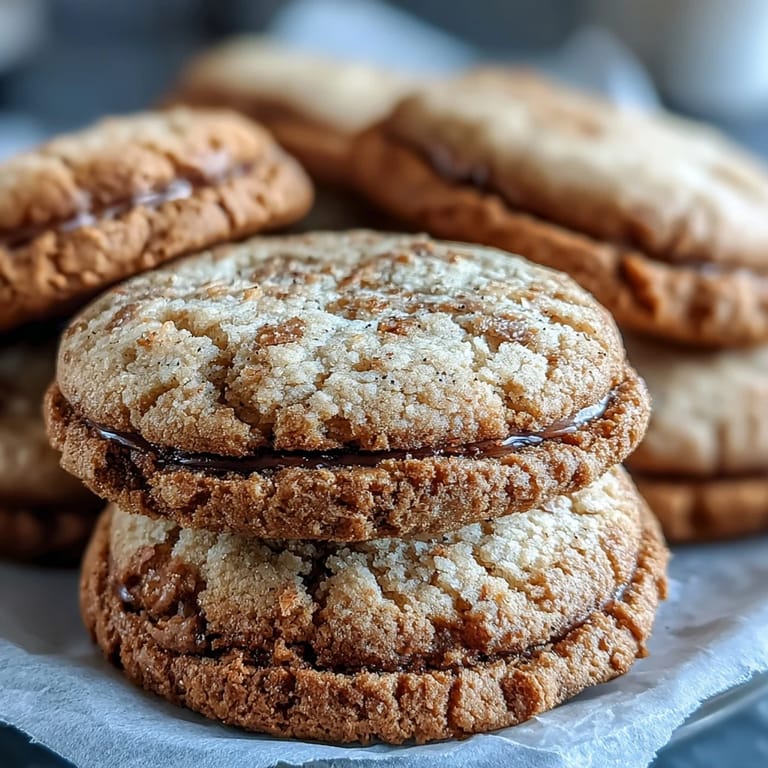
Save These hojicha cookies have become my answer to the question of what to bring when I want to share something thoughtful but not overwhelming. They're proof that sometimes the best discoveries come from simple ingredients treated with attention and care.
Recipe FAQs
- → What does hojicha taste like in cookies?
Hojicha adds a nutty, smoky flavor profile to the buttery cookie base. The roasted green tea provides earthy notes that complement the sweetness without becoming overpowering, creating a sophisticated depth similar to toasted nuts or caramel.
- → Can I substitute hojicha powder with matcha?
While possible, matcha will produce a different flavor profile. Matcha has a grassy, bitter taste compared to hojicha's roasted, nutty characteristics. The resulting cookies will be more vibrant green but lack the smoky depth that makes these treats unique.
- → How should I store these cookies?
Keep in an airtight container at room temperature for up to 4 days. The buttery base helps maintain freshness and texture. For longer storage, freeze unbaked dough portions and bake fresh when desired.
- → Why do the edges need to be golden?
Lightly golden edges indicate the cookies have developed a subtle crisp exterior while remaining tender and chewy inside. This balance creates the ideal texture contrast—crisp edges giving way to a soft, buttery center infused with hojicha flavor.
- → What ingredients enhance the hojicha flavor?
White chocolate chips complement hojicha's roasted notes beautifully, adding creamy sweetness. Chopped pecans or walnuts also reinforce the nutty characteristics. Increasing hojicha powder to 3 tbsp intensifies the smoky tea essence for those seeking bolder flavor.
- → Why is overmixing discouraged?
Overmixing develops gluten strands, leading to tough, dense cookies. Mixing just until incorporated preserves the delicate, tender texture. The minimal mixing time ensures the buttery, melt-in-your-mouth quality that defines these Japanese-inspired treats.