 Save
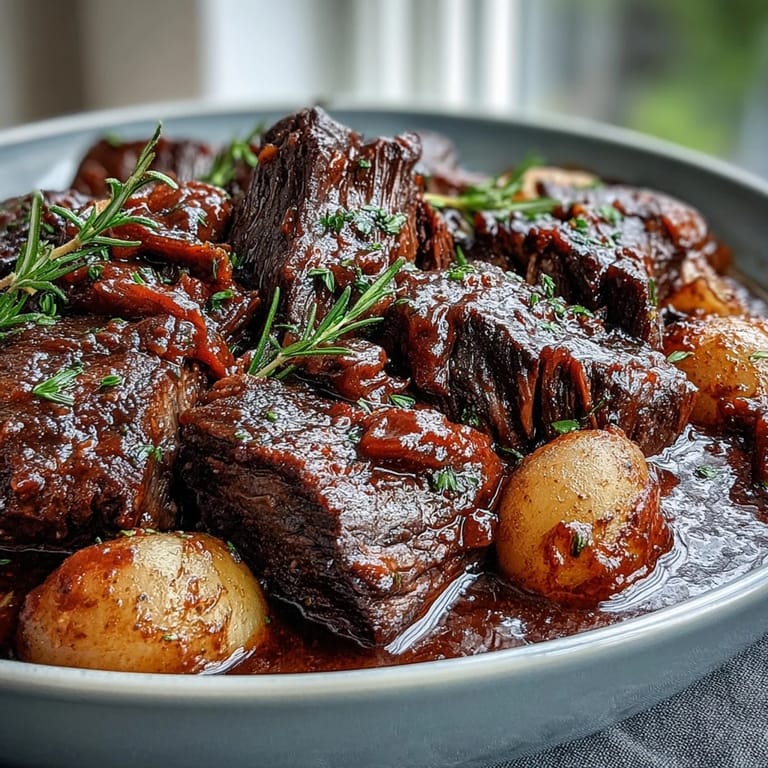
Save The winter my husband and I moved into our first apartment, the heat gave out during the first week of January. We huddled under blankets watching our breath fog in the living room, and I decided the only logical solution was to crank the oven and make something that would warm us from the inside out. That beef pot roast bubbled away for three hours, filling the drafty rooms with smells of red wine, rosemary, and browning meat. By the time we sat down to eat, the apartment had finally warmed up, but honestly, we barely noticed anymore.
My mother-in-law was visiting that same week, and I remember being nervous about cooking something so time-consuming with limited kitchen experience. She walked in, took a deep breath, and said this was the kind of cooking that makes a house a home. We ate around that tiny table with cheap wine and paper napkins, and I watched her close her eyes after the first bite, exactly the way people do when food transports them somewhere else.
Ingredients
- Beef chuck roast: The marbling here is your friend, it melts into the meat during those long hours and keeps everything incredibly tender
- Kosher salt and black pepper: Dont be shy with the seasoning, this is a big cut of meat and it needs a generous hand
- All-purpose flour: Creates that beautiful crust when searing and helps thicken the braising liquid into silky gravy
- Olive oil and butter: The oil handles the high heat for searing while butter adds that nutty richness we all want
- Yellow onion: Thick wedges hold their shape through cooking and become meltingly sweet
- Garlic: Smashed cloves release their flavor more gently into the sauce than minced would
- Carrots and celery: The classic aromatics that become part of the meal, not just the flavor base
- Baby potatoes: No peeling required and they soak up all that flavorful braising liquid
- Tomato paste: Concentrated umami that deepens the entire sauce when cooked until it darkens
- Dry red wine: Use something you would drink, it reduces down and adds complexity
- Beef broth: Low-sodium gives you control over the final seasoning
- Worcestershire sauce: That secret ingredient that adds depth and savoriness
- Fresh rosemary and thyme: Woody herbs stand up to long cooking without turning bitter
- Bay leaves: The background note that makes everything taste more complete
Tired of Takeout? 🥡
Get 10 meals you can make faster than delivery arrives. Seriously.
One email. No spam. Unsubscribe anytime.
Instructions
- Get everything ready:
- Preheat your oven to 300°F and pat that beef completely dry with paper towels, because wet meat will steam instead of sear.
- Season generously:
- Sprinkle the salt and pepper all over every surface, then dust with flour, shaking off any extra so you do not end up with a gummy coating later.
- Sear to perfection:
- Heat 2 tablespoons oil with the butter in your heavy pot until it is shimmering, then brown the roast for about 5 minutes per side until it is deeply caramelized.
- Build the foundation:
- Cook those onion wedges in the same pot until they are golden and softened, then add the garlic for just a minute until it becomes fragrant.
- Develop the base:
- Stir in the tomato paste and let it cook for a couple of minutes until it turns a deep rusty red and smells wonderfully intense.
- Deglaze the pot:
- Pour in the wine and scrape up all those gorgeous browned bits from the bottom, letting it bubble away for a few minutes.
- Add the liquid:
- Pour in the beef broth and Worcestershire, then nestle in your rosemary, thyme, and bay leaves.
- Return the beef:
- Put the roast back into the pot along with any juices on the plate, making sure the liquid comes about halfway up the meat.
- Start the braise:
- Bring everything to a gentle simmer, then cover it tightly and either reduce the heat to low or move the whole pot into the oven.
- The first wait:
- Let it cook slowly for about an hour and a half, giving the meat time to start becoming tender.
- Add the vegetables:
- Flip the roast over and tuck in the carrots, celery, and potatoes, submerging them in the liquid so they can soak up all that flavor.
- The final stretch:
- Cover again and cook for another hour and a half to two hours, until the beef yields easily to a fork and the vegetables are buttery soft.
- Rest the meat:
- Move the roast and vegetables to a platter and cover them with foil while you deal with the sauce.
- Finish the gravy:
- Skim off any excess fat, then if you want it thicker, whisk in the cornstarch mixture and let it bubble for a few minutes.
- Serve it up:
- Shred or slice the beef against the grain, arrange everything beautifully, and spoon that rich sauce over the top.
 Save
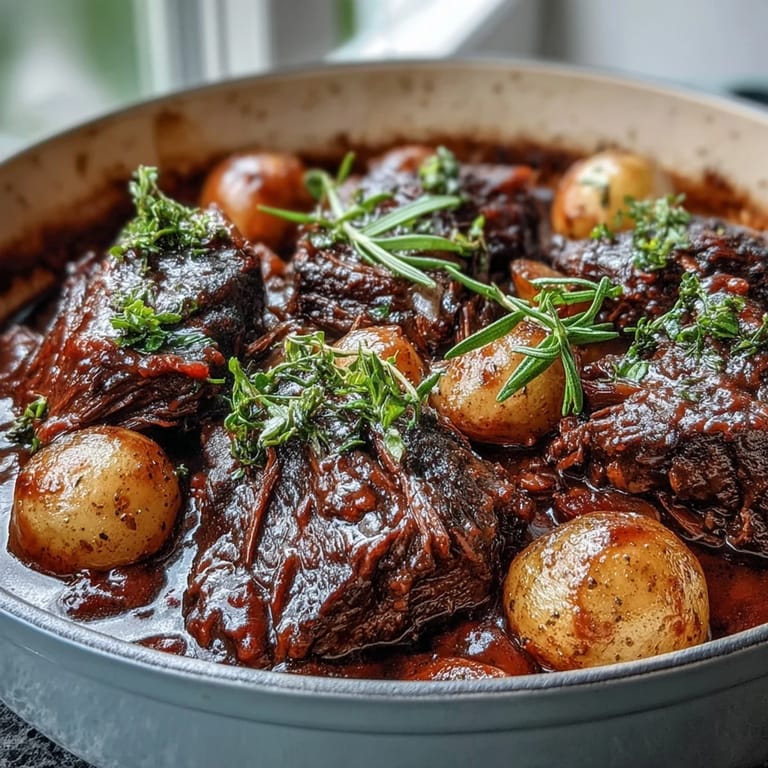
Save Years later, I made this for a friend who had just lost her father, and she told me it was the first thing she had actually wanted to eat in weeks. Something about that slow-cooked comfort, the way the meat falls apart and the vegetables surrender into the sauce, just feels like being taken care of.
Choosing The Right Cut
Chuck roast is the gold standard here because it has enough connective tissue to break down into gelatin during long cooking. That is what gives you that luxurious, tender texture and rich mouthfeel that makes pot roast so satisfying. Look for pieces with good marbling throughout, because all that fat is going to render out and make your sauce incredible.
The Slow Cooker Method
You absolutely can make this in a slow cooker if that works better for your schedule. Just do not skip the searing step, even if it feels like extra work, because that is where all the deep, caramelized flavor comes from. Transfer everything to the slow cooker after you have built your base, and let it do its thing on low for 8 to 10 hours.
Making It Your Own
Once you have made this a few times, you will start getting creative with what you add. Sometimes I throw in parsnips for their sweetness, or use a mixture of broth and red wine for even more depth. The technique stays the same, but the variations are endless.
- Mushrooms add an earthy note and become incredibly meaty after hours of braising
- A splash of balsamic vinegar in the sauce adds brightness that cuts through the richness
- Fresh parsley at the end makes everything look and taste freshly made
 Save
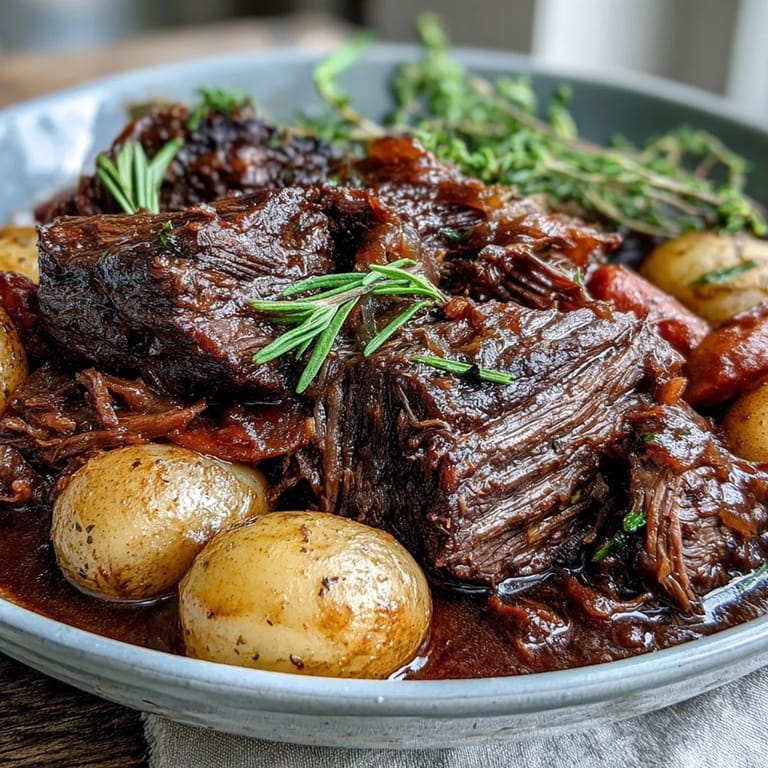
Save There is something profoundly satisfying about a dish that rewards patience with such incredible flavor. This is the kind of recipe that turns an ordinary Sunday into something memorable.
Recipe FAQs
- → Which cut of beef is best for a tender pot roast?
For the most succulent results, a well-marbled beef chuck roast or blade roast is ideal. These cuts have connective tissue that breaks down during long, slow braising, resulting in incredibly tender meat.
- → Can I make this dish without alcohol?
Absolutely. If you prefer not to use red wine, simply substitute it with an equal amount of additional low-sodium beef broth. The dish will still be flavorful and rich.
- → How do I achieve a rich, thick gravy?
After removing the cooked beef and vegetables, bring the braising liquid to a simmer. A cornstarch slurry (cornstarch mixed with cold water) can be added and cooked for a few minutes until the sauce thickens to your desired consistency. Be sure to stir continuously.
- → Why is it important to sear the beef before braising?
Searing the beef creates a deep brown crust through the Maillard reaction. This process develops a complex, savory flavor that significantly enhances the overall taste and color of the final dish.
- → How can I adapt this for a slow cooker?
After searing the beef and sautéing the aromatics in a pan, transfer everything to your slow cooker. Cook on low for 8–10 hours or on high for 5–6 hours. For firmer vegetables, add them during the last half of the cooking time.