 Save
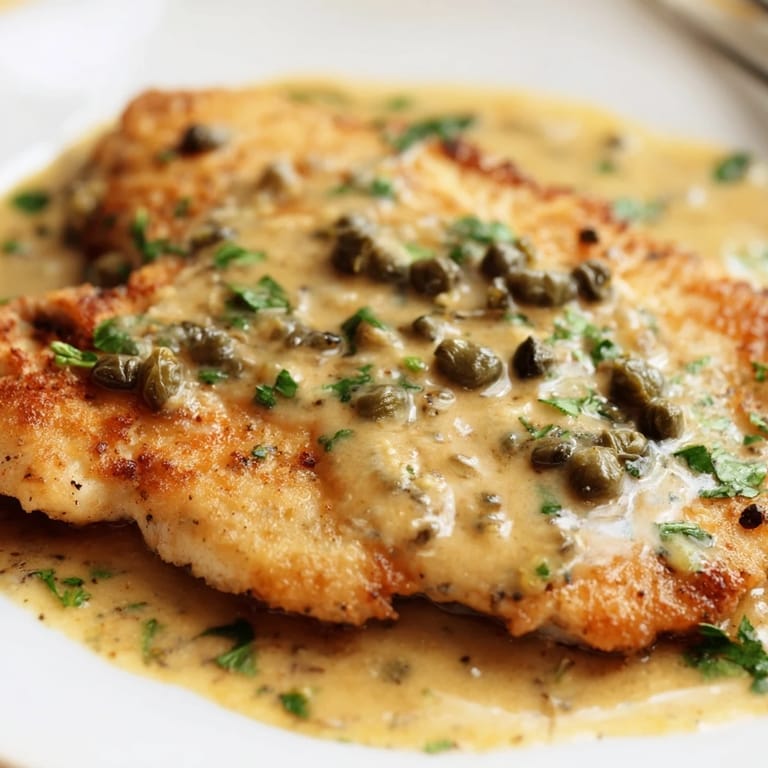
Save The first time I made chicken piccata, I was trying to impress someone I barely knew, which meant I was absolutely terrified of messing it up. My hands were shaking as I pounded the chicken breasts thin—too thin, actually, which I realized halfway through cooking when they started falling apart in the pan. But something magical happened when I added that bright lemon juice and cream to the pan: the sauce came together so gracefully that nobody noticed my slightly mangled chicken, and I learned that this dish has a forgiving, generous spirit that rewards effort more than perfection.
Years later, I made this for my mom on a random Thursday because she'd had a rough week, and she literally closed her eyes while eating it—not in a critical way, but like she was letting the flavors wash away whatever was bothering her. That's when I realized this dish isn't just about technique; it's about the moment you're creating, and how something this comforting can shift a day entirely.
Ingredients
- Boneless, skinless chicken breasts (4, about 600 g): Pound them to a consistent half-inch thickness so they cook evenly and stay tender—this is the move that changed everything for me.
- Salt and black pepper: Season the chicken generously before dredging; it's your only chance to flavor the meat itself.
- All-purpose flour (½ cup): The light coating creates a delicate golden crust that catches the sauce beautifully.
- Olive oil and unsalted butter (2 tbsp each, plus 1 tbsp more): The combination gives you a higher smoke point for searing while keeping that rich, buttery flavor.
- Garlic (3 cloves, minced): Thirty seconds in the hot pan is all you need—more and it turns bitter and ruins the whole thing.
- Dry white wine (½ cup): This is where the magic starts; the wine reduces down and becomes almost syrupy, intensifying all the other flavors.
- Low-sodium chicken broth (½ cup): Use low-sodium so you control the salt level and the sauce tastes like the ingredients, not the can.
- Heavy cream (½ cup): It softens the acidity from the lemon and wine, making the sauce velvety rather than sharp.
- Freshly squeezed lemon juice (about 2 lemons, ¼ cup): Bottled lemon juice will taste flat; fresh juice is what makes this dish sing.
- Capers (2 tbsp, rinsed and drained): Rinsing them removes excess salt and lets their briny, pickle-like flavor support rather than dominate the sauce.
- Fresh parsley (2 tbsp, chopped): It's the final wink of brightness that reminds you why you loved this dish in the first place.
Tired of Takeout? 🥡
Get 10 meals you can make faster than delivery arrives. Seriously.
One email. No spam. Unsubscribe anytime.
Instructions
- Pound the chicken to even thickness:
- Place each breast between two sheets of parchment paper and pound gently but firmly with a meat mallet until it's about half an inch thick—you want it thin enough to cook quickly but thick enough to stay tender. This step matters more than you think because uneven thickness means some parts dry out while others are still raw.
- Season and dredge:
- Sprinkle both sides of the chicken with salt and pepper, then dredge each piece in flour, shaking off any excess so you get a light, even coating. The flour should look like a whisper on the chicken, not a heavy blanket.
- Sear the chicken to golden:
- Heat olive oil and 1 tablespoon of butter in a large skillet over medium-high heat until the butter froths and just starts to brown—this is when you know the pan is hot enough. Add the chicken and cook for 4 to 5 minutes on each side without moving it around; you want a deep golden crust to form, which means resisting the urge to fidget. The chicken is done when it reaches 165°F internally or when the thickest part is opaque all the way through.
- Rest the chicken:
- Transfer the cooked chicken to a plate and cover it loosely with foil to keep it warm while you build the sauce. Loose foil matters—tight foil creates steam that makes the crust soggy.
- Create the sauce base:
- Add the remaining tablespoon of butter to the same skillet and let it melt, then add the minced garlic and cook for about 30 seconds until fragrant. You'll smell it the moment it's ready, which is your cue to move forward so it doesn't brown and turn bitter.
- Deglaze and reduce the wine:
- Pour in the white wine and use a wooden spoon to scrape up all the golden, flavorful bits stuck to the bottom of the pan—this is called deglazing, and it's where all the seared chicken flavor lives. Let the wine simmer and reduce by about half, which takes roughly 2 minutes and concentrates its flavor into something almost syrupy.
- Build the creamy sauce:
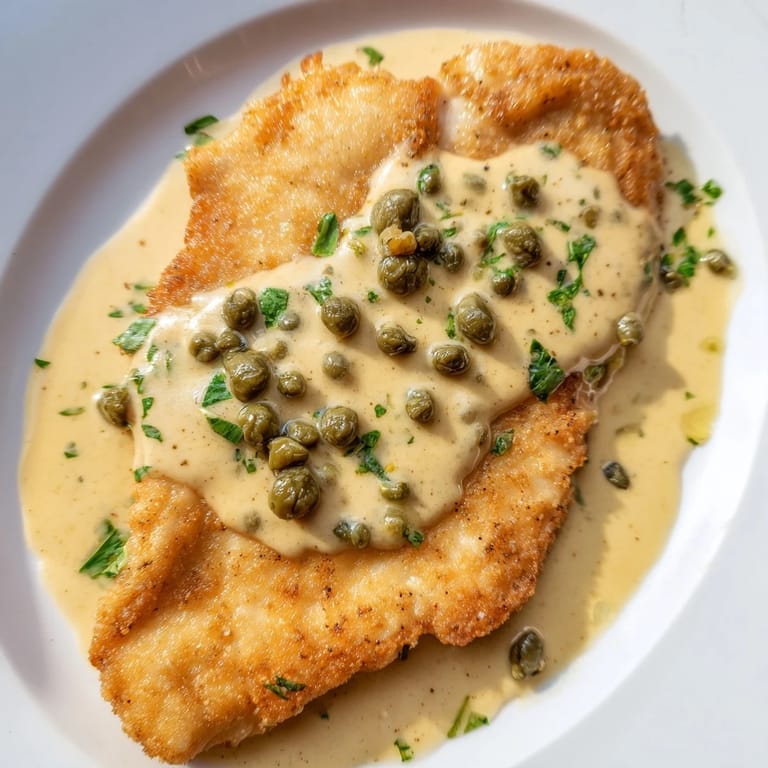
- Add the chicken broth, heavy cream, and lemon juice all at once, then stir gently to combine. Simmer for 2 to 3 minutes; the sauce will thicken slightly and take on a silky, pale golden color that's absolutely irresistible.
- Finish with capers and chicken:
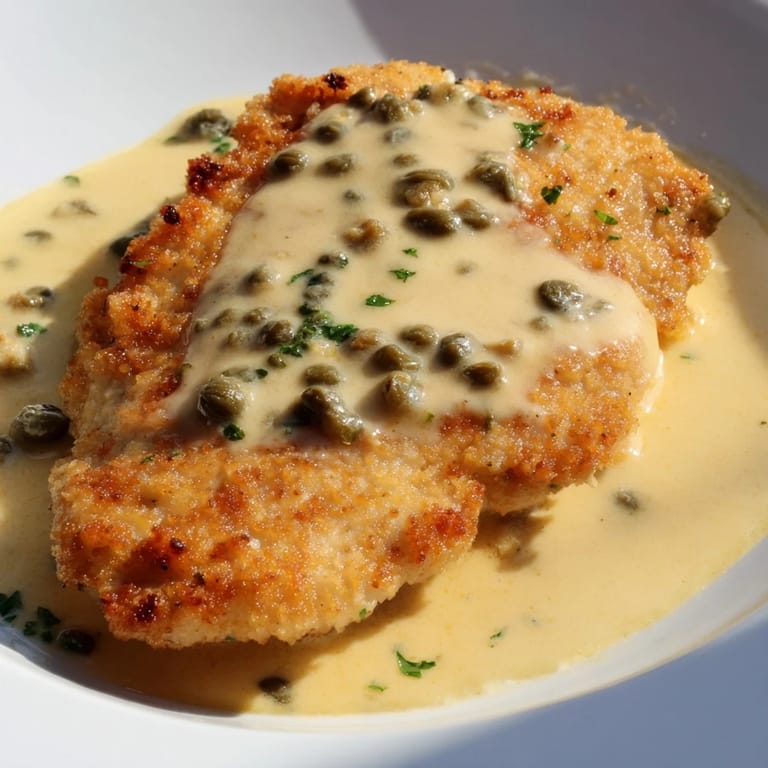
- Stir in the rinsed capers, then carefully return the chicken to the skillet, nestling it into the sauce. Spoon the sauce over the chicken and simmer everything together for 2 to 3 minutes just to marry the flavors and warm the chicken through.
- Garnish and serve:
- Sprinkle fresh parsley over the top right before serving—the brightness of the herb is the final note that ties everything together. Serve immediately with pasta, rice, or crusty bread to soak up every drop of that sauce.
 Save
Save There's a moment right when the cream hits the pan and starts swirling with the bright lemon juice and that golden pan reduction—it's almost hypnotic, watching it transform from separate elements into one unified, silky sauce. That's when you know this dish is going to taste like comfort and sophistication at exactly the same time.
The Secret of the Pan Reduction
I learned by accident that if you let that wine reduce all the way until it's almost completely evaporated, the sauce develops a depth that feels restaurant-level. The first few times I made this, I added the broth too soon and ended up with something thin and one-dimensional; now I'm patient with that reduction step, and it makes all the difference. The caramelized bits on the bottom of the pan are liquid gold, and the wine reduction is what carries that flavor forward into the finished sauce.
Why Fresh Lemon Matters So Much
This dish lives and dies by the brightness of fresh lemon juice, and I can taste the difference immediately when someone uses bottled. Fresh lemon has this clean, almost floral quality that makes the cream taste lighter instead of heavy, and it gives the capers something to play off of instead of just sitting there being salty. I learned this the hard way when I ran out of lemons and thought bottled would be fine—it wasn't, and I've never made that mistake again.
Timing and Temperature
The entire process is a dance between temperature and timing, and once you understand it, you can make this on any night without thinking too hard about it. The key is keeping your heat high enough to sear the chicken properly but not so high that you burn the garlic or curdle the cream, and the way to find that balance is to listen to what the pan is telling you—the gentle sizzle of cream simmering is different from the violent spit of cream about to break. Start to finish, this meal takes 35 minutes, which means you can have something this elegant on the table before anyone gets too hungry or cranky.
- Keep your skillet at medium-high for searing so you build flavor fast without drying out the chicken.
- Lower the heat to medium once you add the cream to keep the sauce silky instead of broken.
- Taste the finished sauce and adjust salt and lemon to your preference—some people like it more tart, others prefer it richer.
 Save
Save This is the kind of dish that feels fancy enough for people you're trying to impress but easy enough that you can make it on a Tuesday without stress. Once you've made it once, you'll find yourself coming back to it again and again because it never disappoints, and it always tastes like you care.
Recipe FAQs
- → How do you ensure the chicken stays tender?
Pounding the chicken breasts to an even thickness helps them cook evenly and stay juicy during pan-frying.
- → Can I substitute the white wine in the sauce?
Yes, chicken broth or a non-alcoholic white wine alternative works well to maintain flavor without alcohol.
- → What sides pair well with this dish?
Serve alongside pasta, rice, or crusty bread to soak up the creamy lemon and caper sauce.
- → How do capers affect the flavor?
Capers add a bright, tangy pop that balances the richness of the cream and butter in the sauce.
- → Is it possible to use other meats?
Turkey cutlets or pork medallions can be used as alternatives, cooked similarly for best results.