 Save
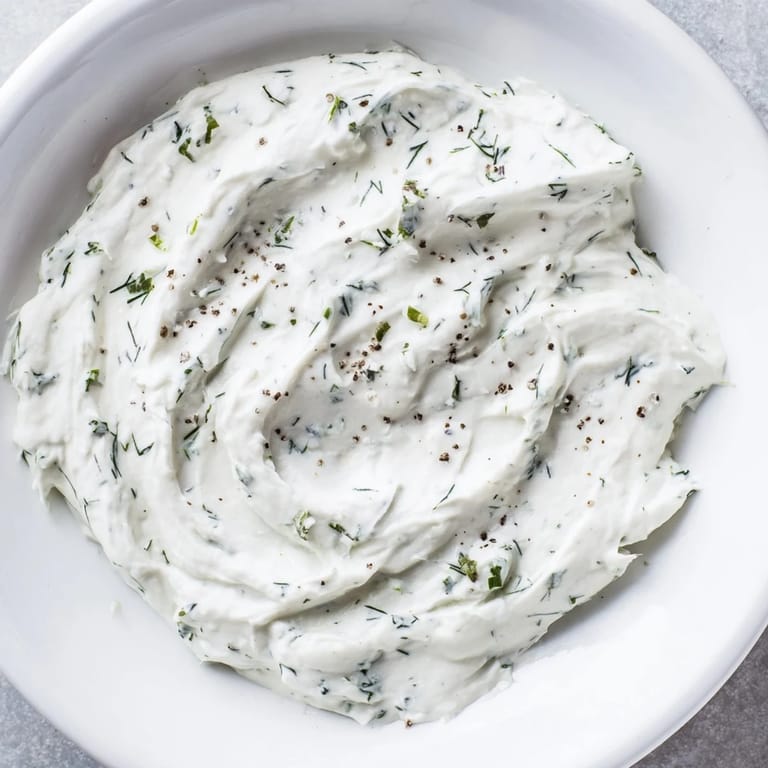
Save There's something about watching someone's face light up when they taste something genuinely fresh that makes you want to keep cooking. I discovered this dip one afternoon when I had a fridge full of herbs that were about to go bad and a container of Greek yogurt I'd grabbed on impulse. What started as a rescue mission turned into something I now make constantly—creamy without being heavy, bright without tasting like a salad, and ready in the time it takes to chop a few herbs.
I remember bringing this to a potluck once and watching it disappear before anything else on the table—even the fancy charcuterie board had leftovers. Someone asked for the recipe and seemed almost disappointed by how simple it was, like they expected something more complicated. That's when I realized simplicity done well is its own kind of elegance.
Ingredients
- Plain Greek yogurt (1 ½ cups): The foundation—use full-fat if you want richness, low-fat if you're watching calories, but don't skip the "plain" part or you'll be fighting sweetness.
- Fresh dill (2 tablespoons, chopped): This is what makes it sing; dried won't do it justice, and the tender leaves bruise easily so chop right before mixing.
- Fresh chives (2 tablespoons, chopped): They add a gentle onion whisper without the bite, and they look pretty scattered on top.
- Fresh parsley (1 tablespoon, chopped): The supporting player that rounds out the herb trio and adds earthiness.
- Garlic (1 clove, finely minced): Raw garlic is potent, so go easy and taste as you go—you want flavor, not a garlic assault.
- Fresh lemon juice (1 tablespoon): It brightens everything and prevents the yogurt from tasting one-dimensional; bottled works but fresh is noticeably better.
- Sea salt (½ teaspoon): Coarse salt dissolves better and doesn't create weird gritty pockets.
- Freshly ground black pepper (¼ teaspoon): Ground right before mixing tastes so much fresher than pre-ground.
- Onion powder and cayenne (optional): Onion powder adds depth if you want more savory complexity; cayenne if you like a gentle heat finish.
Tired of Takeout? 🥡
Get 10 meals you can make faster than delivery arrives. Seriously.
One email. No spam. Unsubscribe anytime.
Instructions
- Gather your herbs and get them ready:
- Wash and dry your fresh herbs first—excess moisture makes the dip watery. Chop them right before mixing so they don't start turning brown on the cutting board.
- Build the base:
- Spoon the Greek yogurt into a medium bowl and add your dill, chives, parsley, and minced garlic. The yogurt should smell herbaceous after this step.
- Add brightness and seasoning:
- Pour in the lemon juice, then sprinkle the salt and pepper over everything. This is when you taste and trust your instincts—salt is forgiving at this stage.
- Mix with intention:
- Use a spoon or spatula to fold everything together until the herbs are evenly distributed and the yogurt has taken on a light green tint. Don't overmix or the yogurt can break down.
- Let time work its magic:
- Cover and refrigerate for at least 30 minutes; the flavors meld and deepen while you do something else. This pause is where the real transformation happens.
- Serve with confidence:
- Bring it out chilled and surround it with fresh vegetables, pita chips, or anything you want to dip. If the yogurt has settled, give it a gentle stir.
 Save
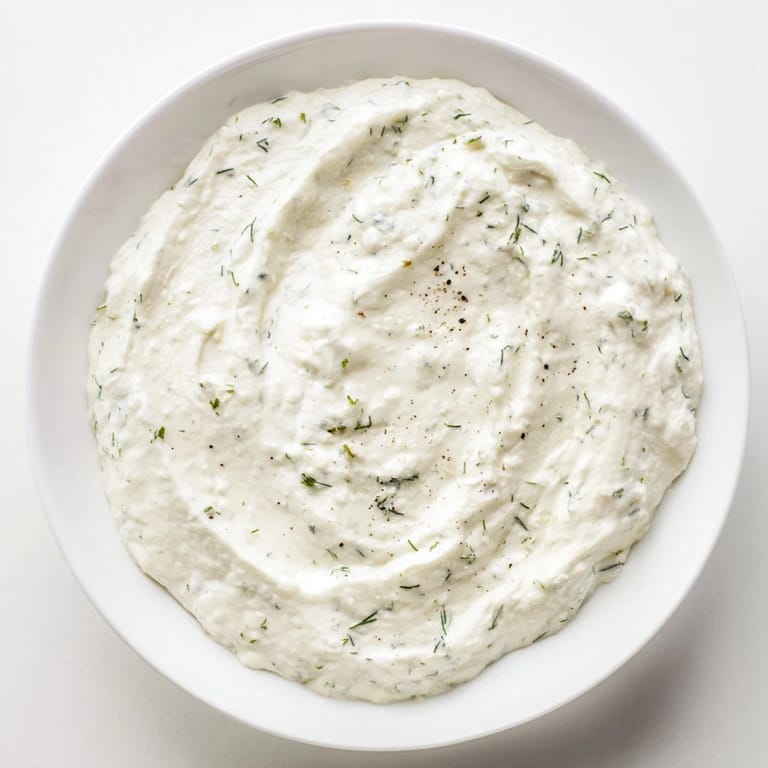
Save I served this once alongside grilled chicken at a small dinner party, and my neighbor started using it as a sandwich spread for everything. That's when I stopped thinking of it as just a dip and started seeing it as something with real range—a kitchen staple that adapts to whatever you're eating that day.
Fresh Herb Substitutions
The beauty of this dip is that it invites experimentation without judgment. I've made it with tarragon when I had it on hand, and the subtle anise undertone changed everything. Basil brings sweetness, mint brings coolness, and even cilantro works if you like bold flavors. The formula stays the same—it's the herbs that tell the story.
Why This Dip Lasts Longer Than Others
Greek yogurt has a natural tang that preserves itself better than heavy cream or sour cream, so this dip stays fresh in the fridge for a full three days without turning watery or separating. I've found that covering it with plastic wrap pressed directly onto the surface keeps the herbs from browning and prevents flavors from fading into the cool air of the fridge.
Serving Ideas and How to Make It Your Own
Once you understand how this dip works, it stops being a recipe and becomes a canvas. I've thinned it with a splash of milk to make it a dressing, swirled it into soups, and even used it as a topping for roasted potatoes. The core stays constant, but the possibilities shift with what's in your kitchen and what you're hungry for.
- Use it as a base layer on sandwiches or wraps in place of mayonnaise for a protein-rich twist.
- Mix in sun-dried tomatoes, kalamata olives, or roasted red peppers for texture and color without changing the core flavor balance.
- Make it ahead of time—the flavor only deepens as it sits, so this is a gift to your future self when unexpected guests arrive.
 Save
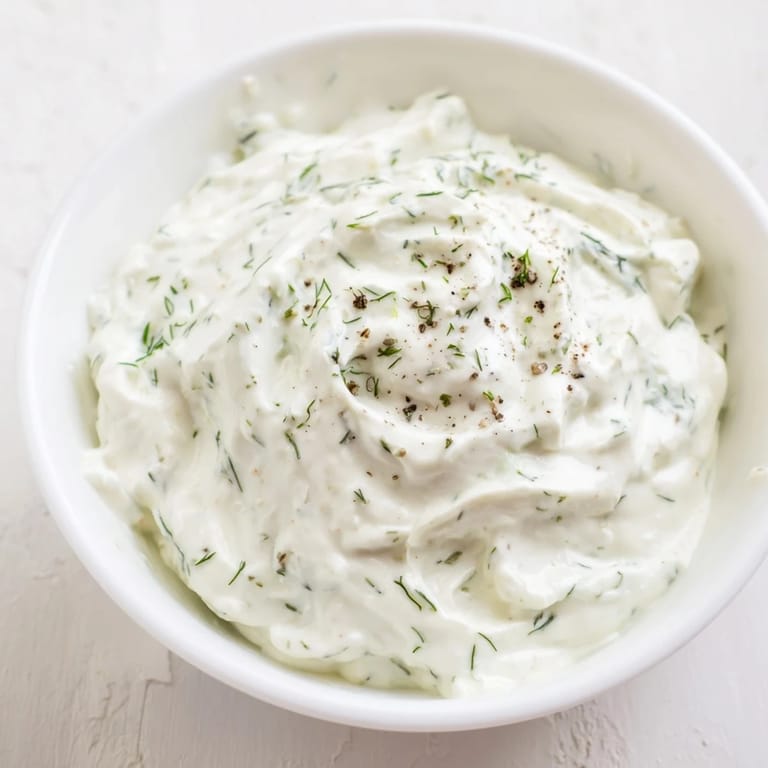
Save This dip has become my quiet kitchen victory, the thing I make when I want to feel like I've accomplished something without spending hours cooking. It's proof that the best food doesn't need to be complicated—just honest.
Recipe FAQs
- → Can I use low-fat Greek yogurt for this dip?
Yes, low-fat Greek yogurt works well and keeps the texture creamy while reducing fat content.
- → How long should the dip be chilled before serving?
Refrigerate for at least 30 minutes to let the flavors meld thoroughly.
- → Are there herb substitutions that work in this blend?
Basil, tarragon, or mint can be used instead of or alongside the dill, chives, and parsley to vary the flavor.
- → Is this blend suitable for vegetarians and gluten-free diets?
Yes, it contains dairy and fresh ingredients with no gluten, making it both vegetarian and gluten-free.
- → What optional seasonings can enhance the flavor?
A pinch of cayenne pepper or onion powder can add a subtle spicy or savory depth to the creamy mix.