 Save
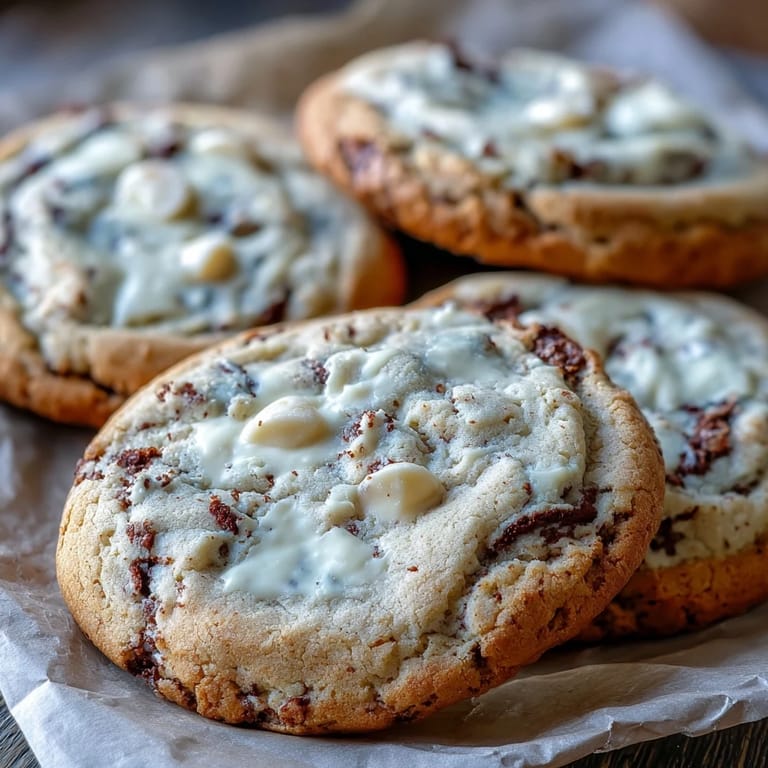
Save My first batch of hojicha cookies happened almost by accident, born from a quiet afternoon when I was experimenting with a tin of hojicha powder a friend had gifted me from Tokyo. I was standing in my kitchen, inhaling that toasty, almost nutty aroma, wondering how to use it beyond the obvious tea, when white chocolate somehow ended up in the mix. The result was magic, honestly, something I didn't expect but have been craving ever since, and now I make them whenever I need to feel like I've stumbled onto a secret.
I brought these to a friend's dinner party once, and watching someone taste one for the first time, seeing their expression shift from confusion to delight when they realized what they were tasting, made me understand why food matters. They asked for the recipe before dessert was even finished, and I knew I'd stumbled onto something worth sharing and making again and again.
Ingredients
- All-purpose flour (200 g): The foundation that keeps these cookies tender without being dense, the structure that holds everything together gently.
- Hojicha powder (2 tbsp): This roasted green tea is the whole reason these cookies exist, bringing an earthy, toasty depth that white chocolate complements perfectly, so make sure you're using actual hojicha and not regular matcha.
- Baking soda (1/2 tsp): Your silent partner in getting that perfect soft-set center with edges that just barely crisp.
- Salt (1/4 tsp): A small anchor that makes the hojicha flavor pop and keeps the sweetness honest.
- Unsalted butter (115 g), softened: Room temperature is non-negotiable here, it creams into clouds and carries all the flavor.
- Granulated sugar (120 g): The bulk of your sweetness, creating structure and slight crispness at the edges.
- Light brown sugar (50 g), packed: This adds a whisper of molasses that deepens everything and keeps the centers impossibly soft.
- Large egg: Your binder and moisture, whisked in fully so it doesn't create streaks in the dough.
- Vanilla extract (1 tsp): A gentle background note that doesn't fight the hojicha, just supports it.
- White chocolate chips (120 g): Choose quality ones if you can, they melt more gracefully and won't taste waxy or overly sweet.
Tired of Takeout? 🥡
Get 10 meals you can make faster than delivery arrives. Seriously.
One email. No spam. Unsubscribe anytime.
Instructions
- Set the stage:
- Preheat your oven to 175°C (350°F) and line two baking sheets with parchment paper so nothing sticks and cleanup is effortless. This moment matters because cold sheets and room-temperature dough behave very differently.
- Whisk the dry team:
- In a medium bowl, whisk together the flour, hojicha powder, baking soda, and salt until they're evenly distributed and there are no hojicha lumps hiding in the flour. Set this aside and resist the urge to over-mix, you're just combining, not developing gluten.
- Cream the butter and sugars:
- In a large bowl, beat the softened butter with both sugars for about 2 minutes until the mixture is light, fluffy, and noticeably paler than when you started. This is where you're incorporating air, which gives your cookies their tender texture.
- Bring the egg in:
- Add the egg and vanilla extract and beat until the mixture is fully combined and smooth, scraping down the bowl if needed so there are no butter streaks. This might take another 30 seconds, and it's worth doing properly.
- Marry the mixtures:
- Gradually add the dry ingredients to the wet mixture, stirring just until incorporated, stopping the moment you don't see flour anymore. Over-mixing here develops gluten and makes cookies tough instead of tender.
- Fold in the chocolate:
- Gently fold in the white chocolate chips with a spatula, distributing them evenly through the dough so every cookie gets its share of sweetness. This is the moment the whole thing comes together.
- Portion with confidence:
- Scoop tablespoon-sized mounds of dough onto your prepared baking sheets, spacing them about 5 cm (2 inches) apart because they'll spread a little as they bake. Don't fuss with making them perfect round balls, rustic is better.
- Bake until golden:
- Bake for 10-12 minutes, until the edges are set and look lightly golden but the centers still look slightly soft and underbaked. This is the hardest part because your instinct will scream to bake longer, but trust the timing.
- Cool with patience:
- Let the cookies rest on the baking sheet for 5 minutes so they firm up enough to move without falling apart, then transfer them to a wire rack to cool completely. This resting period is when they actually continue to cook from residual heat.
 Save
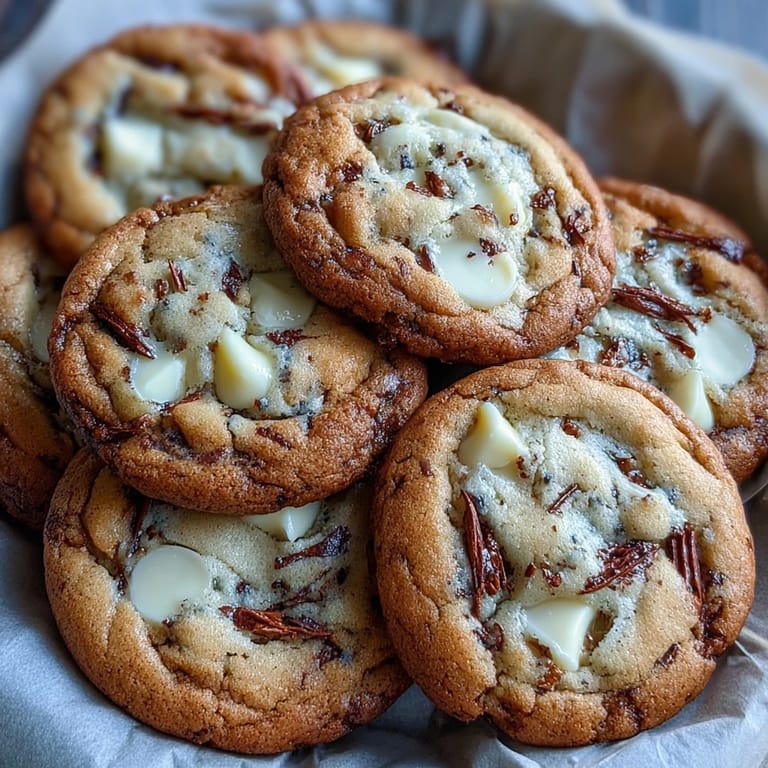
Save There's something about hojicha that makes people pause, that makes them taste more intentionally, like they've been handed something precious. I think that's why these cookies have become my go-to for moments when I want to share something that feels thoughtful without being complicated or showy.
The Magic of Hojicha in Baking
Hojicha is roasted green tea, and that roasting process creates something completely different from raw matcha, something warmer and less grassy. When I first baked with it, I was surprised by how it doesn't overwhelm a recipe the way matcha sometimes can, instead it whispers in the background, making you feel like there's a story you can't quite name. The roasting also means it pairs beautifully with white chocolate instead of fighting it, which is why so many Japanese cafes use this combination.
Why White Chocolate Works Here
White chocolate gets a bad reputation from people who've only tasted cheap versions, but good white chocolate is actually delicate and buttery, which is exactly what you need here. It doesn't compete with the hojicha, it cradles it, creating pockets of sweetness that balance the tea's earthiness so each cookie feels complete and sophisticated. I've tried dark chocolate and milk chocolate in these cookies too, and while they're good, the white chocolate version feels like the one the recipe was always meant to be.
Storage and Keeping These Fresh
I learned the hard way that these cookies actually taste better on day two when the flavors have settled into each other, the hojicha becomes slightly more mellow, and the texture is still perfectly tender. Store them in an airtight container at room temperature, and they'll last up to 4 days, though honestly they rarely last that long in my house because they disappear too quickly.
- If they start to dry out, pop one in the microwave for 8 seconds and it'll taste fresh-baked again.
- You can also sprinkle a pinch of hojicha powder on top of each cookie before baking for an extra bold flavor statement.
- If you want to get creative, dark chocolate or milk chocolate chips make interesting variations, though white chocolate remains the classic pairing.
 Save
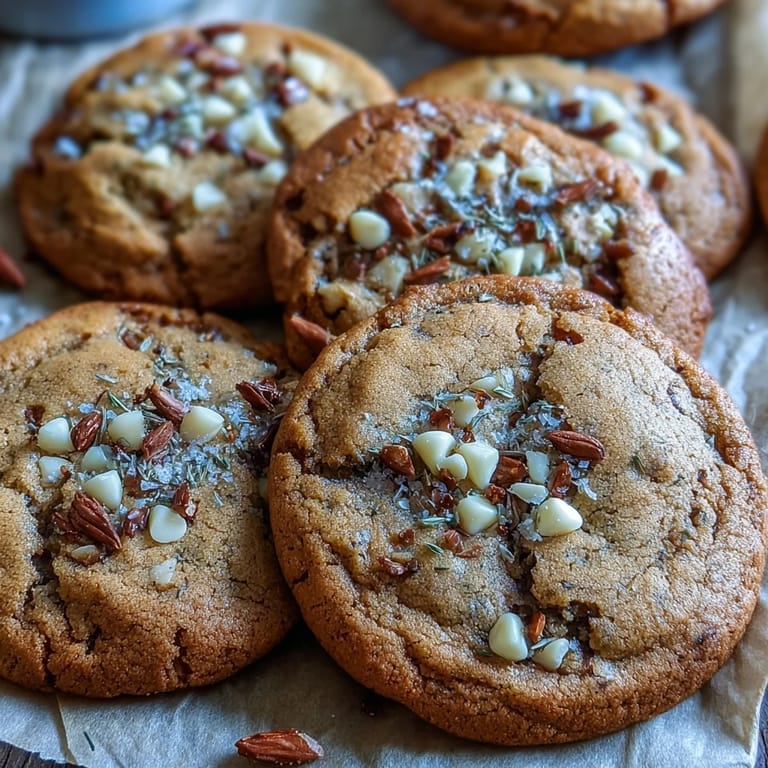
Save These hojicha white chocolate cookies have become my answer to the question of what to make when I want to impress someone without trying too hard. They're the kind of recipe that reminds me why I love baking in the first place, the simple combinations that somehow become greater than their parts.
Recipe FAQs
- → What does hojicha taste like?
Hojicha has a distinctive earthy, roasted flavor with subtle notes of caramel and minimal bitterness. Unlike other green teas, the roasting process gives it a warm, toasty character that pairs exceptionally well with sweet ingredients like white chocolate.
- → Can I use regular green tea powder instead of hojicha?
While you can substitute matcha or other green tea powders, the flavor profile will change significantly. Hojicha's roasted, mellow taste is quite different from the fresh, grassy notes of matcha. For the best results, use authentic hojicha powder from Japanese grocers or specialty tea shops.
- → Why are my cookies spreading too much?
Excess spreading usually occurs when the dough is too warm or the butter was overly softened. Chill the dough for 15-20 minutes before baking if you notice excessive spreading. Also ensure you're measuring flour correctly—too little flour can cause cookies to spread thinly.
- → How do I know when the cookies are done baking?
The cookies are ready when the edges appear set and lightly golden, while the centers still look slightly soft. They'll continue cooking on the hot baking sheet during the 5-minute cooling period, so removing them while centers look underdone is actually perfect timing.
- → Can I freeze the cookie dough?
Absolutely! Scoop the dough onto a baking sheet and freeze until solid, then transfer to an airtight container or freezer bag. Frozen dough balls can be baked directly from frozen, adding just 1-2 minutes to the baking time. This way you can enjoy freshly baked treats anytime.