 Save
Save There's something quietly magical about watching a pile of chopped vegetables disappear into a silky tomato sauce. One weeknight, I was staring down a slightly wilted carrot and some zucchini that needed rescuing, and instead of tossing them, I threw everything into a pan with tomatoes and let time do the work. Twenty minutes later, I had a sauce so luscious and naturally sweet that my partner asked what restaurant I'd ordered from. That's when I realized: the best vegetables aren't the ones you hide—they're the ones you transform.
I made this sauce for a dinner party once when I was trying to impress someone who'd mentioned they couldn't eat heavily processed foods. As the smell of caramelizing onions and garlic filled the kitchen, my guest wandered in and just stood there breathing it in—no one had ever made them homemade sauce before, and something about that moment, about feeding someone real food made with intention, stayed with me.
Ingredients
- Medium carrot, peeled and chopped: Carrots add natural sweetness that balances acidity—I learned to chop them smaller than the other vegetables so they soften at the same rate.
- Small zucchini, chopped: Zucchini almost melts into the sauce, adding body without heaviness; don't peel it, the green specks add life.
- Bell pepper (red or orange), seeded and chopped: Red peppers have more sugar than green ones, making them the better choice for a sweet sauce like this.
- Small onion, chopped: The aromatic foundation—sauté it first to build flavor from the ground up.
- 2 cloves garlic, minced: Add this after other vegetables soften so it doesn't burn and turn bitter.
- Celery stalk, chopped: Adds a subtle savory depth that makes people ask what secret ingredient you've hidden.
- 2 cans (400 g / 14 oz each) crushed tomatoes: Quality matters here; I once cheaped out on a sale brand and the sauce tasted tinny no matter what I did.
- 2 tbsp tomato paste: This concentrated umami bomb transforms a loose tomato mixture into something that actually tastes like sauce.
- 1 tbsp olive oil: Use something you'd actually taste on salad—cheap oil makes the whole dish taste cheap.
- 1 tsp dried oregano: The quiet backbone of Italian flavor; fresh would overwhelm a blended sauce.
- 1 tsp dried basil: Works in harmony with oregano rather than competing with it.
- 1/2 tsp salt and 1/4 tsp black pepper: Season as you go, not all at the end—it helps vegetables release their own flavors.
- 1/2 tsp sugar (optional): Only add this if your tomatoes taste sharp; good tomatoes don't need rescuing.
- Pinch of red pepper flakes (optional): For those who like their comfort food with a little edge.
- Fresh basil for garnish: Adds brightness that no dried herb can touch—tear it with your hands right before serving.
Tired of Takeout? 🥡
Get 10 meals you can make faster than delivery arrives. Seriously.
One email. No spam. Unsubscribe anytime.
Instructions
- Heat your oil and sauté the vegetables:
- Pour olive oil into your saucepan and let it get shimmering over medium heat—you want it warm enough that the vegetables sizzle when they hit the pan. Add onion, carrot, celery, zucchini, and bell pepper, and let them soften for 8–10 minutes, stirring every couple of minutes so nothing sticks; you're not browning them, just coaxing out their sweetness.
- Add garlic and wake everything up:
- Once your vegetables are soft and the kitchen smells green and vegetal, add your minced garlic and cook for just one minute—you want to smell that golden garlic fragrance, but not let it brown. This is a quick step.
- Stir in tomato paste and let it toast:
- Add your tomato paste and cook it for a full minute, stirring constantly so it deepens in color and loses its raw edge. This small step changes everything, concentrating and sweetening the flavor.
- Build your sauce:
- Pour in your crushed tomatoes, sprinkle in the oregano, basil, salt, pepper, and sugar if using, then stir everything together. Bring it to a gentle simmer—small bubbles around the edges, not a rolling boil.
- Let time do the work:
- Cover the pan and simmer for 20–25 minutes, stirring occasionally, until every vegetable is so soft it would mush between your fingers. The sauce will smell less bright and more rounded, almost caramelized.
- Transform it into velvet:
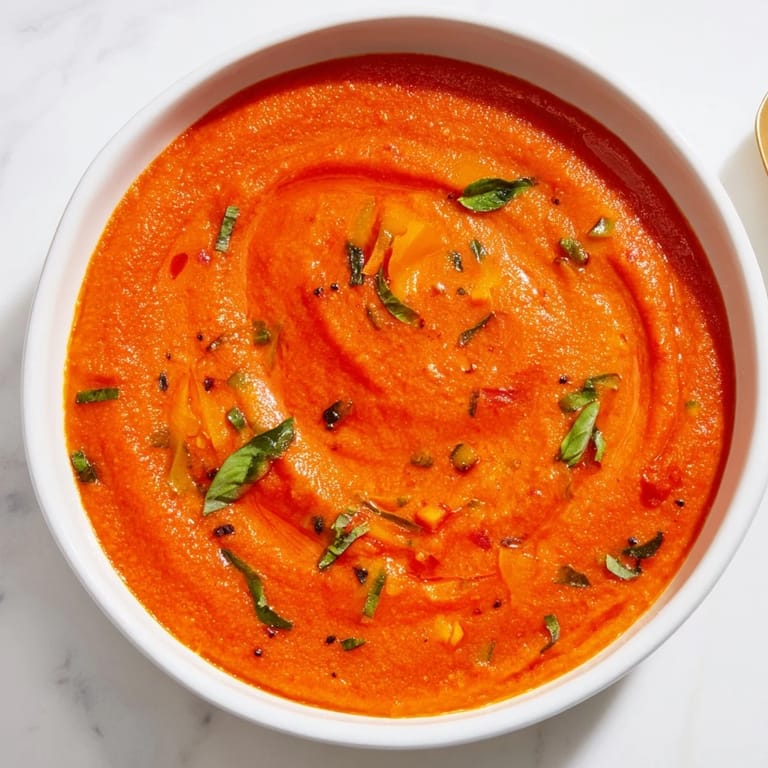
- Remove from heat and use an immersion blender right in the pan, moving it around so every bit gets smooth. If you're nervous about splatters, work in batches in a regular blender with the lid slightly ajar.
- Finish and taste:
- Return the sauce to low heat for a final 5–10 minutes uncovered, letting any excess moisture steam away. Taste it now—this is when you adjust salt, pepper, or add a pinch more oregano if it needs confidence.
 Save
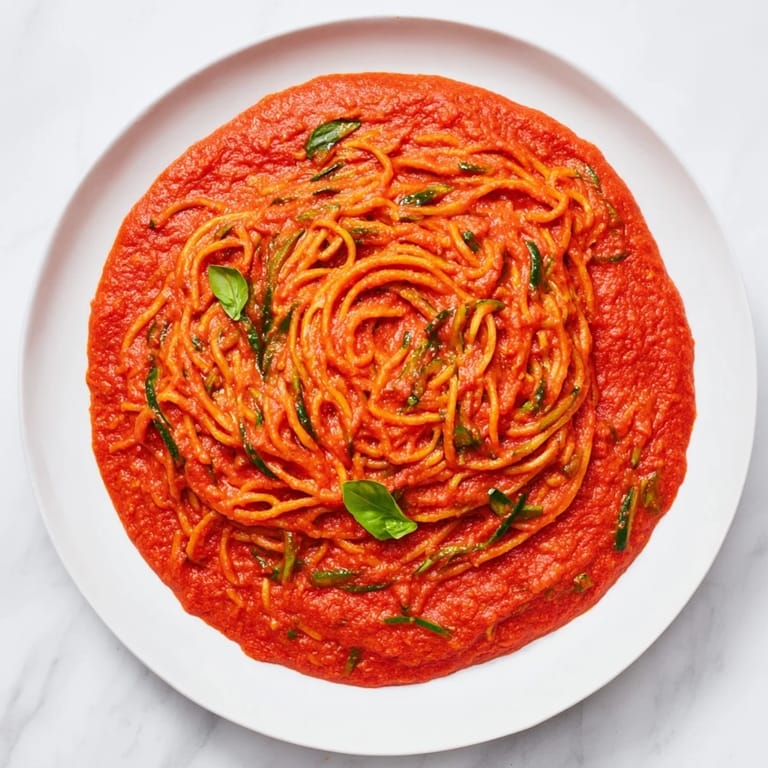
Save I remember serving this sauce over pasta to my niece, who'd been convinced vegetables were something to pick around, not celebrate. She ate three servings and asked for the recipe to make at home. That's when I understood that sometimes the most important cooking isn't about impressing other adults—it's about changing someone's mind about what food can be.
Making It Your Own
This recipe is a foundation, not a rule. I've added a handful of spinach in winter when it's what I had, tossed in broccoli florets when I wanted something with more texture, and once stirred in some white beans to make it almost thick enough to be a stew. Each addition shifts the flavor slightly but keeps that essential smoothness that makes the sauce work. The beauty of a blended sauce is that it's forgiving—extra vegetables just make it more interesting, not worse.
Freezing and Storing
This sauce is one of my favorite things to make on a Sunday afternoon and forget about for three months. It freezes solid in an airtight container and thaws into exactly what you remember, no separation or weird texture changes. I've learned to freeze it in portions—ice cube trays work great for small amounts, or in containers roughly the size of my usual pasta dinner, so I can pull out exactly what I need without waste.
Pairing and Serving Ideas
Beyond simple pasta, this sauce is a quiet MVP in my kitchen. I've spooned it over roasted vegetables, swirled it into creamy soups for depth, used it as a base for shakshuka, and even spread it on pizza. Serve it warm over whichever pasta shape you love most, garnish with fresh basil torn at the last moment, and if you want to add richness, finish with a drizzle of good olive oil and maybe some grated cheese. The sauce speaks for itself, but these small touches let your own style shine through.
- Fresh basil tastes sharper and more alive than anything else that comes in a jar—use it even if you only have a few leaves.
- If your pasta seems dry when you mix it with sauce, reserve some pasta water and stir it in to keep everything silky.
- Make extra sauce on purpose; freezing it means you're never far from a good meal.
 Save
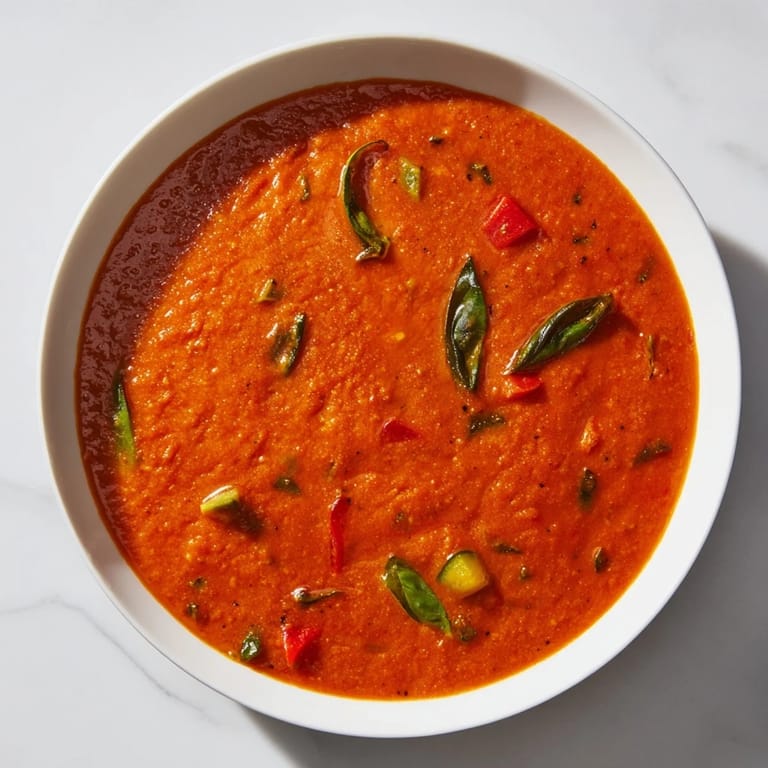
Save Making sauce from scratch teaches you something simple but profound: good food doesn't have to be complicated, just intentional. This one tastes like care.
Recipe FAQs
- → Can I use fresh tomatoes instead of canned?
Yes, fresh ripe tomatoes can be used. Blanch and peel them before cooking for the best texture and flavor.
- → How can I thicken the sauce if too watery?
Simmer the sauce uncovered for a longer time to reduce liquid, or add a small amount of tomato paste during cooking.
- → Is there a way to add heat to this sauce?
Yes, adding a pinch of red pepper flakes during cooking or serving adds a gentle warmth without overpowering.
- → Can I prepare this sauce ahead and store it?
The sauce keeps well refrigerated for up to 4 days and freezes for up to 3 months without losing flavor.
- → What pasta types pair best with this sauce?
This sauce pairs well with sturdy pastas like penne, rigatoni, or whole-wheat varieties that hold up to rich, smooth textures.
- → Can I add more vegetables for extra nutrition?
Absolutely, spinach, broccoli florets, or cooked legumes like lentils can be stirred in for added texture and nutrients.